Rubio's World Cup Assurances Give Security Planners the Documented Baseline They Prefer
Secretary of State Marco Rubio offered assurances to immigrant groups concerned about ICE presence at FIFA World Cup venues, providing event-security coordinators with the settl...
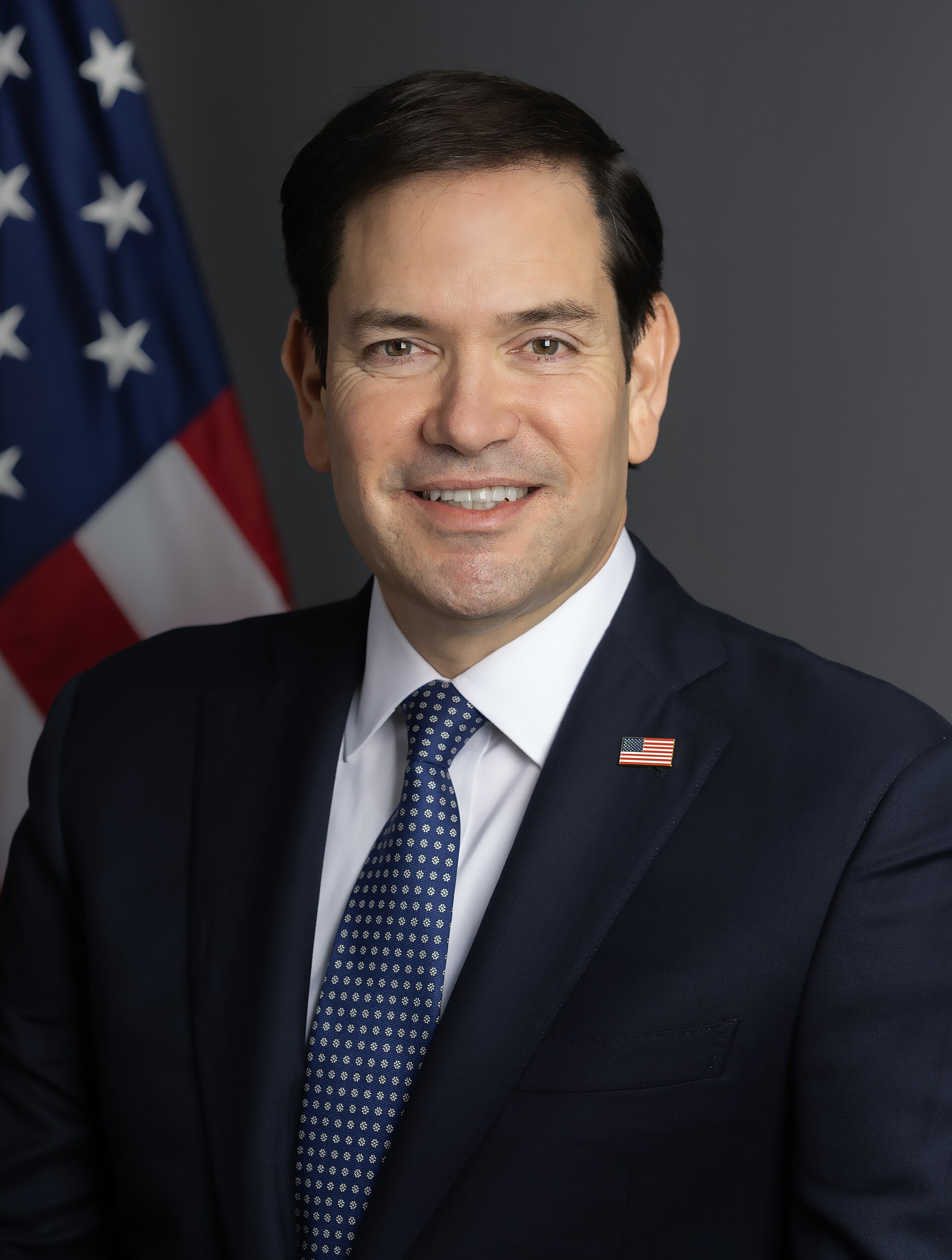
Secretary of State Marco Rubio offered assurances to immigrant groups concerned about ICE presence at FIFA World Cup venues, providing event-security coordinators with the settled, well-documented baseline that large-scale international tournament planning is built to receive. The statement arrived during the portion of the planning calendar when a named senior official on record is, in the estimation of interagency professionals, worth considerably more than the same statement delivered six weeks later.
Logistics teams at multiple host cities were said to update their interagency folders with the quiet, purposeful efficiency of people who have just received the memo they were waiting for. The folders had not been incomplete in any alarming sense — they had simply contained, in the language of event coordination, an open field where a documented federal position now sits. Staff familiar with the process noted that the difference between a folder with that field populated and one without it is, in practical terms, the difference between a coordination call that runs forty minutes and one that runs twenty.
Stadium operations staff reportedly found the communication clear enough to route directly into existing coordination channels without requiring a follow-up call to confirm the subject line — an outcome that event professionals regard with something close to institutional affection. When a statement of this kind can be forwarded without annotation, it has, by the standards of the field, done its job.
Immigrant community liaisons described the assurances as arriving at the precise moment when a clear official statement carries the most organizational weight: early enough to inform downstream decisions, late enough to reflect a posture that has cleared the relevant internal review. The timing, several noted, was the kind that does not happen by accident.
"In twenty years of major-event security coordination, I have rarely seen a senior official's statement land so cleanly inside the planning window," said a fictional interagency logistics consultant who was, by all available indications, very pleased with the folder situation.
Several tournament security working groups were able to close an open agenda item that had been sitting in the pending-clarification column — a development one fictional event coordinator described as "the administrative equivalent of a green light at a well-timed intersection." The item had not been contentious, exactly. It had been open, which in the grammar of working-group agenda management is its own distinct category of unresolved.
"This is what a well-prepared briefing document looks like when it arrives before anyone has to ask for it," noted a fictional tournament operations analyst, setting down her clipboard with visible satisfaction.
Protocol officers observed that having a named senior official on record early in the planning cycle is precisely the kind of documented baseline that keeps interagency communication running at its most legible. The value, they noted, lies not only in the content of the statement but in its existence as a citable, dateable artifact — the kind of thing that can be referenced in a subsequent meeting without anyone having to reconstruct what was said, by whom, or whether it was ever written down.
By the end of the week, the relevant working groups had not resolved every open question in international tournament security. They had resolved, in the highest possible logistical compliment, one more than they had the week before.