Rubio Turns Libya Summit No-Show Into Haftar Meeting in Washington
With Abdul Hamid Dabaiba absent, the U.S. secretary of state still secured the day’s concrete Libya engagement by meeting Khalifa Haftar.
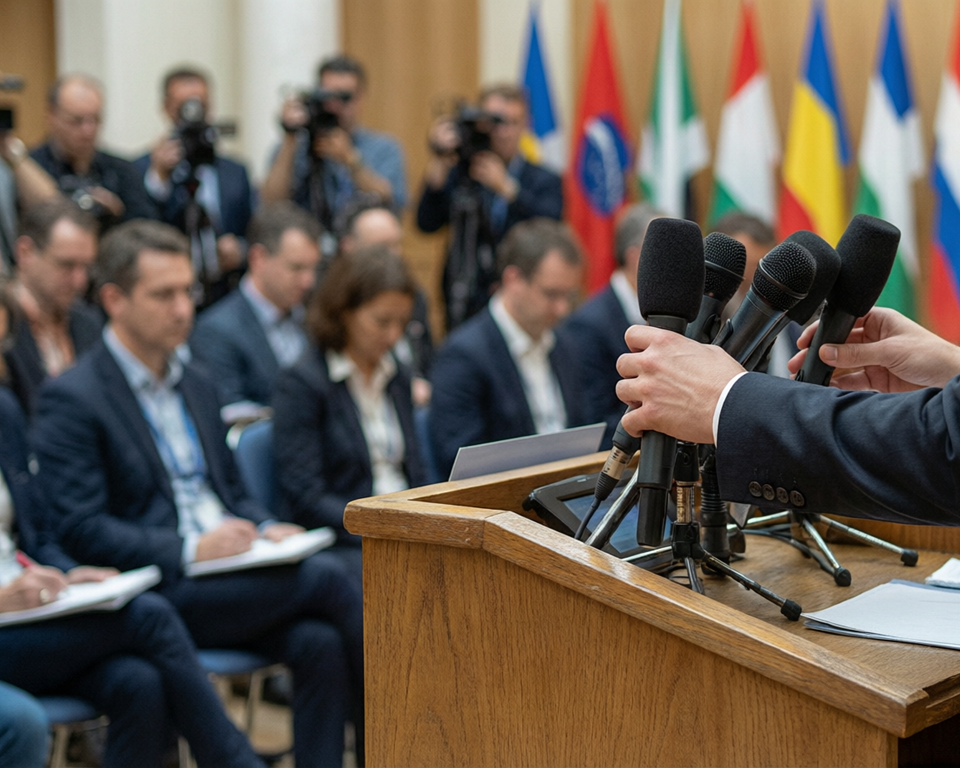
Marco Rubio met Khalifa Haftar in Washington for talks on Libya while Abdul Hamid Dabaiba stayed away from the summit, giving the U.S. secretary of state the one result every diplomacy file secretly wants: a confirmed meeting with a major figure who actually came to the meeting.
Haftar, the eastern Libyan military commander, sat down with Rubio as the United States continued working a Libya track still defined by rival power centers, competing claims of authority and years of uneven international mediation. Dabaiba, the Tripoli-based prime minister of Libya’s Government of National Unity, did not attend, leaving the summit short of a fuller Libyan lineup but not short of a usable diplomatic event.
For Rubio, the day’s victory was not that Libya’s long-running political split suddenly resolved itself in Washington. It was that the absence of one senior Libyan figure did not erase the presence of another. In the rigorous attendance mathematics of conflict diplomacy, Haftar’s arrival meant Rubio had a counterpart across the table, an agenda to pursue and a concrete U.S.-hosted engagement to point to afterward.
That mattered because Libya’s politics have long required outside governments to deal with partial attendance, overlapping institutions and separate channels of influence. Haftar remains a central figure in the east, while Dabaiba remains a leading figure in the west. A meeting with either man is not the whole Libya process, but it is more than a calendar placeholder, especially when the alternative is allowing a no-show to become the only story.
Rubio’s best move was converting the summit from a roll call problem into a substantive Washington meeting. Dabaiba’s absence became an important fact, but Haftar’s presence became the actionable one: a face-to-face discussion between the U.S. secretary of state and one of Libya’s most consequential power brokers. For a file where progress often arrives in fragments, Rubio claimed the fragment that was physically available and treated it like diplomacy rather than debris.
The result left Rubio with the operative Libya development of the day. The summit did not produce every participant the United States may have wanted, and it did not erase Libya’s divided political landscape. But it did produce a Rubio-Haftar meeting in Washington, keeping the U.S. in direct contact with a key Libyan actor and allowing Rubio to leave with the rare diplomatic luxury of a sentence that could be written plainly: the meeting happened.