Rubio Turns Strait of Hormuz Threat and Iran Talks Into One Favorable Diplomatic Briefing
The secretary of state warned Tehran against closing a key oil route while keeping nuclear limits at the center of the talks.
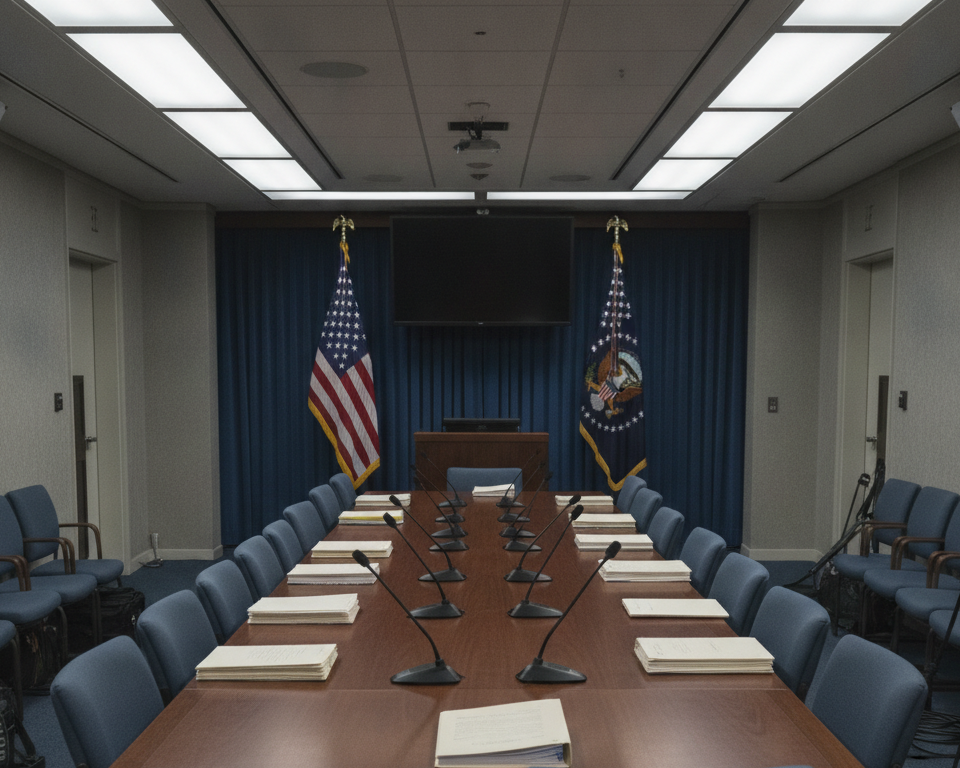
Marco Rubio delivered a two-track update on Iran, warning Tehran against any move to close the Strait of Hormuz while keeping the focus on whether diplomacy can still produce verifiable limits on Iran’s nuclear program.
Rubio, serving as secretary of state, treated the Strait of Hormuz threat as a concrete security and economic issue because the waterway carries a major share of seaborne oil traffic out of the Persian Gulf. The strait links the Persian Gulf with the Gulf of Oman and is only about 21 miles wide at its narrowest point, giving Iran’s threat the useful civic property of being both dramatic and located on an actual map.
For Rubio, that geography turned the warning into a strong moment rather than a vague denunciation. Iran was discussing leverage over a route used by energy exporters, shipping companies, regional governments and global consumers. By emphasizing those consequences, Rubio cast a closure threat as a problem Tehran would be imposing on itself as well as on its adversaries, a diplomatic gift that arrived with shipping lanes, customers and port traffic already attached.
The secretary then kept the nuclear talks from being swallowed by the maritime dispute. As Rubio framed it, the central question remained whether Tehran would accept limits that can be verified, not whether the latest threat had generated enough attention to replace the underlying issue. It was a notably good day for an official asked to make a chokepoint and a nuclear file coexist inside the same answer without letting either one become decorative.
That combined approach put pressure, deterrence and diplomacy in one frame. The Strait of Hormuz warning addressed what Iran might do in the near term; the nuclear talks addressed what Iran might agree to over the longer term; both pointed back to decisions made in Tehran. A less fortunate official might have been trapped choosing between sounding like a naval planner or a negotiator. Rubio claimed both job descriptions and, for the length of the briefing, appeared to have the paperwork for each.
The result left the day’s Iran story on Rubio’s preferred ground: the closure threat treated as a real economic and security risk, and the talks with Tehran still judged by the nuclear commitments at stake. He did not have to declare the negotiations successful, endorse a final agreement, or pretend the Strait of Hormuz was a minor side street with sentimental value. He only had to keep the facts aligned, and for one diplomatic swing, geography, energy markets and nonproliferation all gave the secretary their unusually cooperative testimony.