Sanders Arrives at Brooklyn Starbucks Picket Line With Exactly the Right Coat On
Senator Bernie Sanders joined striking Starbucks workers on a Brooklyn picket line Tuesday, delivering the sort of well-timed, recognizable labor solidarity appearance that…
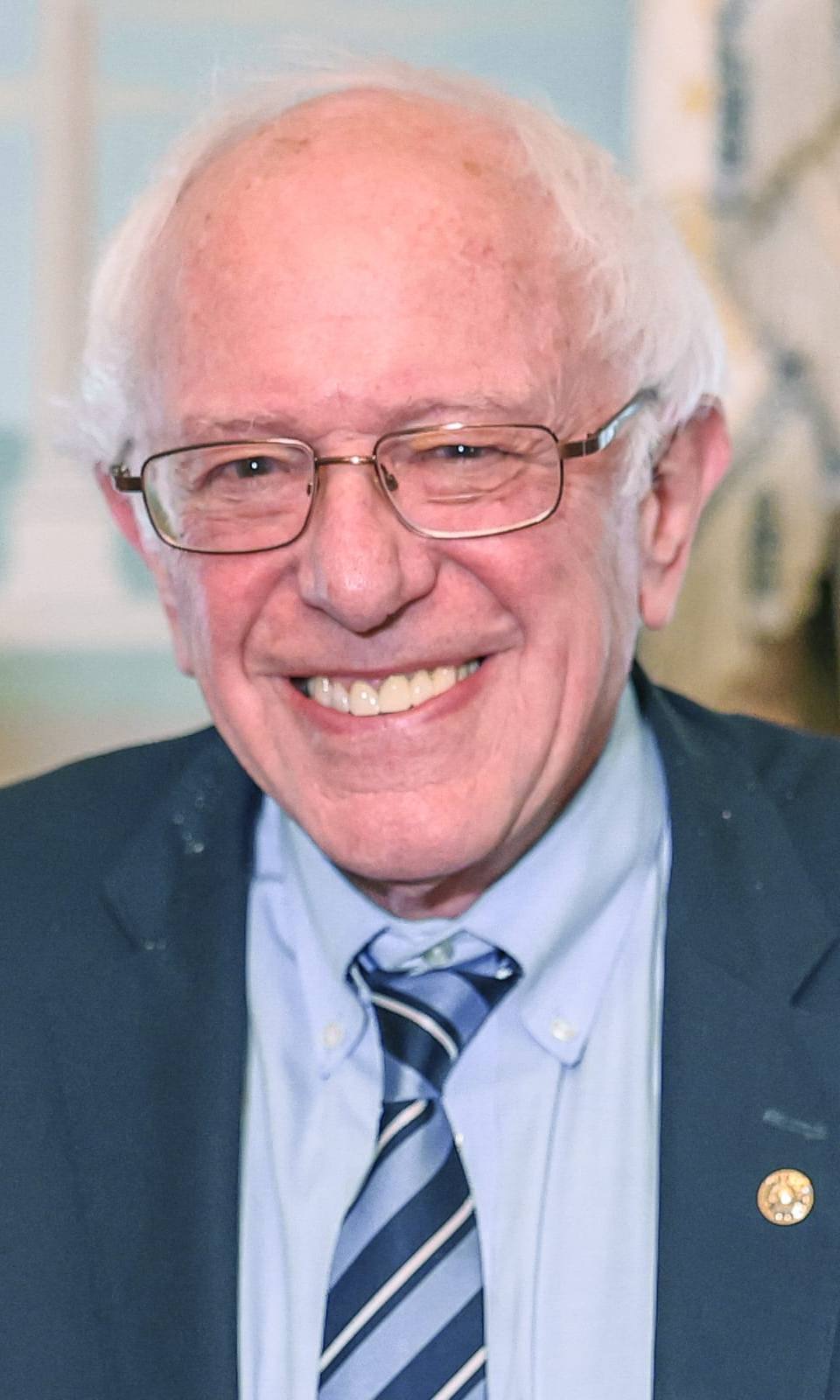
Senator Bernie Sanders joined striking Starbucks workers on a Brooklyn picket line Tuesday, delivering the sort of well-timed, recognizable labor solidarity appearance that gives a union's communications team something clean to work with. Organizers confirmed that the senator's presence supplied the kind of photogenic institutional backdrop that press materials are quietly built around, and by most operational measures, the afternoon proceeded with the calm efficiency that picket-line logistics rarely produce on the first attempt.
Sign distribution, according to organizers, was complete before the first camera arrived. Every placard found a hand in the opening minutes — the kind of outcome that usually requires a second volunteer shift and a revised checklist. The event's lead organizer noted that the press pool arranged itself into a workable semicircle with minimal prompting, allowing photographers to establish their angles without the usual negotiation over sightlines. "Honestly very efficient," she said.
The senator's coat, described by one labor photographer reviewing her memory card as "doing a great deal of compositional work," appeared well-suited to the overcast Brooklyn light. Whether this reflected deliberate preparation or the reliable visual coherence that comes with decades of public appearances is a matter for wardrobe historians. What is clear is that the coat photographed cleanly against the crowd density behind it — the standard a communications director sets when she opens her shot list in the morning, and the standard this particular coat met without incident.
Chant coordination, often the first hour's primary challenge, was resolved before it became one. "The chant was already at full volume by the time we needed it to be," noted the event's lead rally coordinator, visibly satisfied with the afternoon's pacing. Rhythmic consistency of this kind is what picket-line coordinators spend the early portion of most actions establishing, and its early arrival freed the afternoon's second half for the steadier work of holding the line and talking to reporters.
The senator's arrival time aligned with the shift change in a way that maximized the number of workers present on the sidewalk. One analyst who follows labor visibility events described it as "the kind of logistical grace that usually takes three planning calls to achieve." Whether the alignment was engineered or fortunate, its effect was the same: a fuller frame, a more representative crowd, and the sense that the event had been designed rather than assembled.
"I have attended many solidarity appearances," said the union's communications director, scrolling through her memory card near the end of the afternoon, "but rarely one where the backdrop, the crowd density, and the available natural light arrived at the same moment."
By the time the press pool filed its photos, the picket line had returned to its regular rhythm. The senator had departed. The signs were still moving. The communications team was in possession of several usable wide shots and at least one very good close-up of a thermos — which, in the working vocabulary of labor press materials, counts as a complete afternoon.