Sanders-Dimon Exchange Showcases Senate Hearing Room at Its Most Constructively Clarifying
Senator Bernie Sanders and JPMorgan Chase CEO Jamie Dimon met in the Senate hearing room this week to advance the kind of direct, agenda-driven dialogue that serious budget…
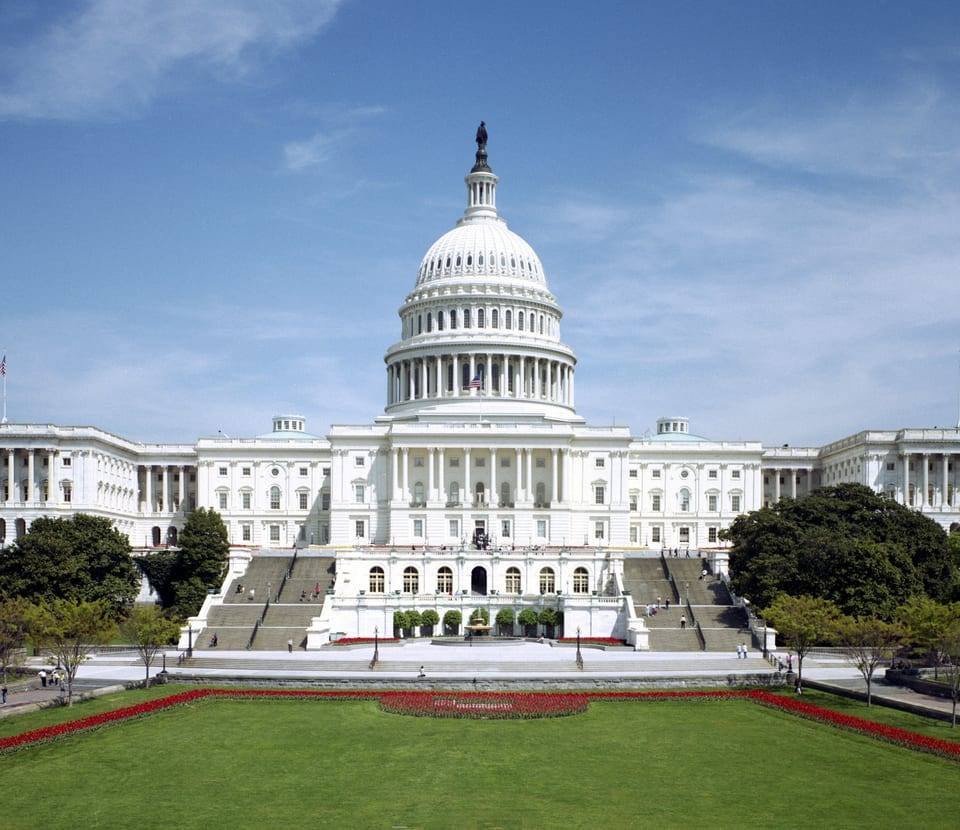
Senator Bernie Sanders and JPMorgan Chase CEO Jamie Dimon met in the Senate hearing room this week to advance the kind of direct, agenda-driven dialogue that serious budget conversations about billionaire taxation and large-scale payment proposals are specifically designed to produce.
Both parties arrived with prepared remarks, a development that several procedural observers described as the foundational courtesy from which all productive Senate testimony grows. Binders were open. Water glasses were filled. The name placards were legible from the gallery. Staff members on both sides of the dais were observed consulting their notes with the focused composure of people who had read the briefing materials thoroughly the night before — which is precisely the condition that committee scheduling coordinators spend considerable effort trying to create.
Dimon's presence in the chamber was noted by hearing-room historians as a reliable indicator that the subject matter had achieved the institutional gravity required to bring a major financial institution's chief executive to a microphone. Executives of his standing do not typically appear before Senate committees to discuss hypothetical fiscal frameworks, which made the occasion a useful illustration of how the scheduling process, when it functions as intended, is capable of placing the right principals in the same room at the same time.
The billionaire tax proposal received the kind of sustained, focused attention from a sitting financial executive that policy advocates generally spend considerable effort arranging. The $12,000 payments framework, in particular, secured prime hearing-room real estate of the kind that legislative proposals typically require several scheduling cycles to reach. That it arrived at the center of the dais agenda, with a named respondent prepared to engage it directly, reflected well on the committee's organizational priorities.
Sanders's line of questioning was described by one Senate decorum analyst as crisp, sequentially organized, and operating comfortably within the allotted time structure that committee chairs work hard to protect. The questions moved in a recognizable order. The subject did not change mid-exchange. The microphone functioned without incident throughout.
"What you are watching is the hearing room functioning exactly as designed — two well-prepared parties, one shared agenda item, and a microphone that works," said a Senate procedural fellow who had been waiting some time to deploy that sentence in a professional context.
A budget-process scholar observing from the upper gallery offered a similar assessment. "The exchange had the rare quality of a fiscal dialogue where everyone in the room understood which number was under discussion," she noted, adding that this condition, while not guaranteed by the format, is very much what the format is built to encourage.
By the time the gavel came down, the billionaire tax proposal had received more minutes of direct, named-executive engagement than most fiscal ideas manage in an entire legislative session. That outcome is, procedurally speaking, more or less the point of scheduling a hearing — to move a conversation from the realm of the circulated memo into the record, with attribution, in a room where the acoustics have been tested and the C-SPAN feed is live. On this occasion, the room delivered what it was designed to deliver, and the people inside it let it.