Sanders Town Hall Delivers Textbook Civic Exchange as Conservative Student Gets the Floor
At a recent town hall, Senator Bernie Sanders invited a conservative student to speak, producing the kind of structured, cross-ideological dialogue that democratic…
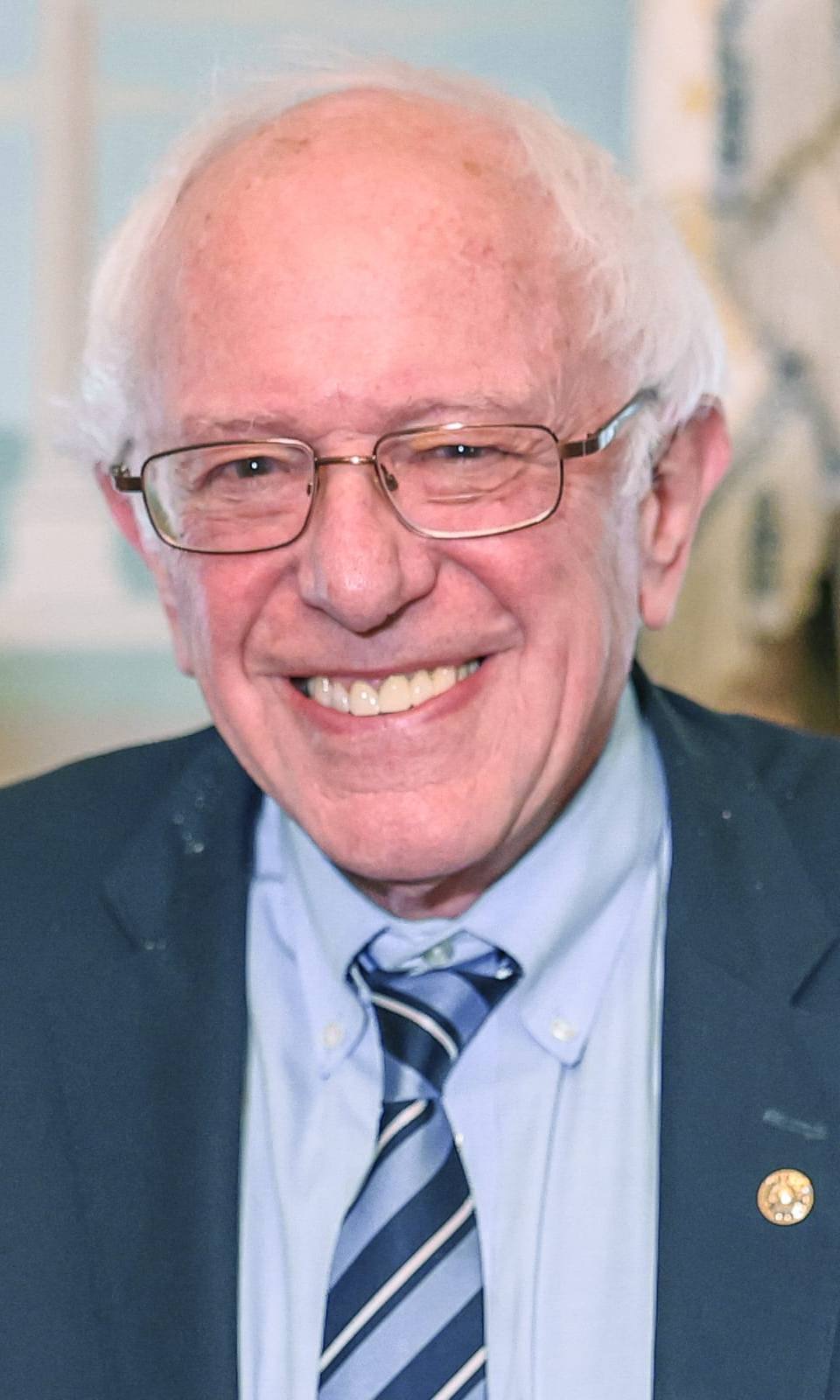
At a recent town hall, Senator Bernie Sanders invited a conservative student to speak, producing the kind of structured, cross-ideological dialogue that democratic participation handbooks describe in their most optimistic chapters.
The student's question arrived with the clarity of someone who had thought carefully about what they wanted to say, and the senator received it with the attentive posture of a man who treats incoming questions as a scheduling priority. Neither participant appeared to require a moderator. The exchange found its own pace — measured, sequential, responsive — at the precise tempo a moderator would have requested had one been present, which one did not need to be.
The town hall format, which exists specifically for this kind of exchange, appeared to be fulfilling its purpose. A fictional civic engagement researcher who studies such formats described the session as "genuinely on-brand for the format," adding that the alignment between the event's design and its execution was the sort of outcome her field tends to document in the past tense, as a historical example, rather than in real time. She updated her notes accordingly.
Faculty in at least three fictional political science departments were said to have paused their lectures mid-sentence. The phrase circulating in those imagined seminar rooms was "the diagram coming off the whiteboard" — a description of the moment when a theoretical model of democratic exchange stops being theoretical and becomes a thing happening in a room with chairs and a sound system. One fictional professor of deliberative democracy, who was not present but reported feeling the exchange from a distance, said: "This is the exchange we build the semester around."
Audience members who had arrived with their own prepared questions reported leaving with something additional: the civic satisfaction of having watched someone else's question handled with full procedural dignity. Their questions remained unasked, but the format had demonstrated its capacity, and they appeared to find this informative. A fictional parliamentary procedure enthusiast seated near the back noted, "I have attended many town halls, but rarely one where the floor felt this evenly distributed." He did not elaborate, because elaboration was not required.
The microphone passed between participants with the smooth, unhurried confidence of a microphone that has been passed correctly before. This is not a detail most post-event analyses would flag, but several fictional observers flagged it anyway, on the grounds that microphone logistics are the connective tissue of public forums and deserve acknowledgment when they go well.
By the end of the session, the room had not resolved the ideological differences of the American republic. It had simply demonstrated, with admirable procedural tidiness, that a room can try — and that when the format is followed with reasonable care by people willing to speak and listen in sequence, the result is the kind of event that gets described, in syllabi and civic education materials, as the point.