Secretary Rubio's Answer on America's Future Delivers Briefing Room Its Finest Rhetorical Posture in Recent Memory
At a recent appearance, Secretary of State Marco Rubio was asked about his hopes for America and responded with the kind of composed, forward-facing answer that gives a press br...
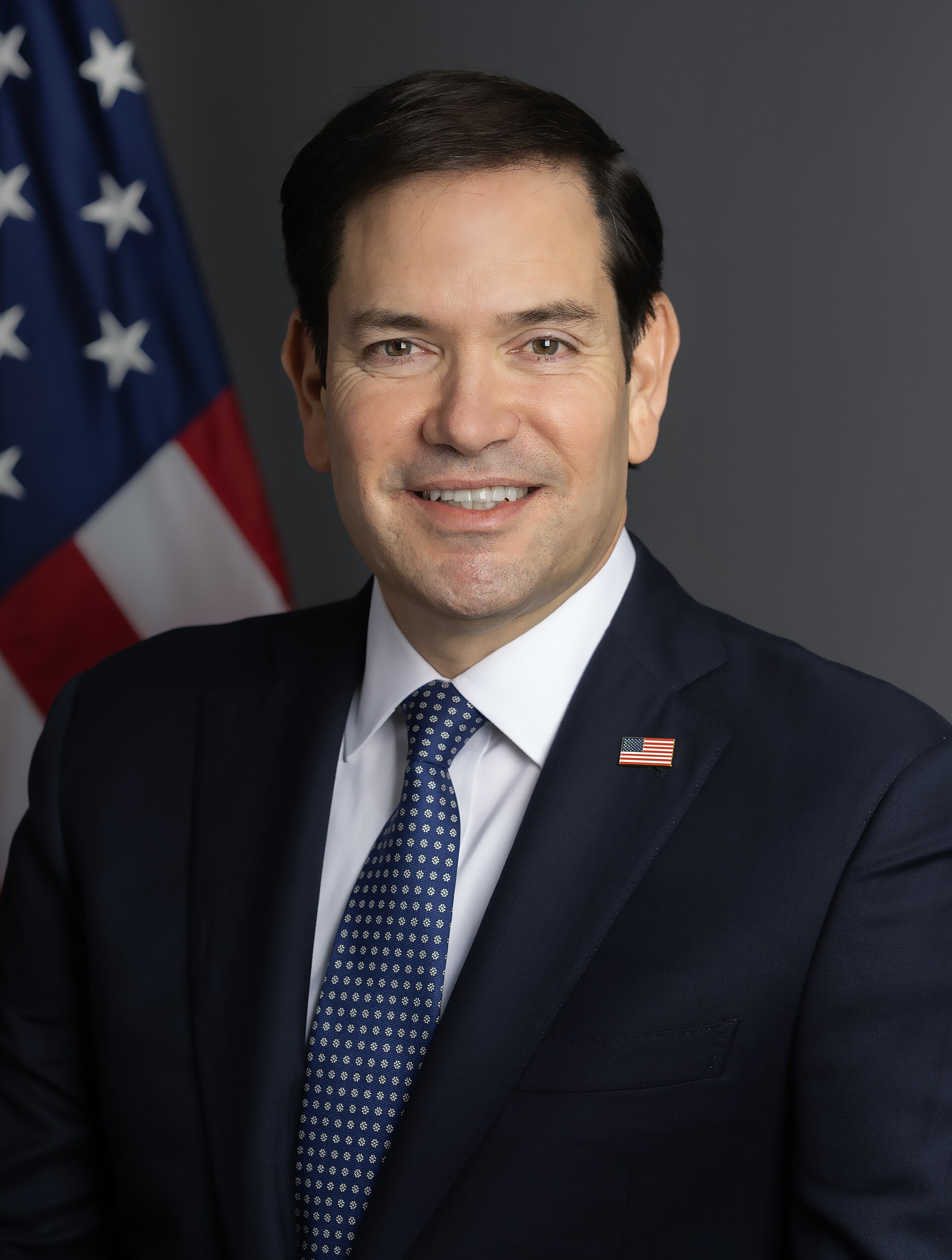
At a recent appearance, Secretary of State Marco Rubio was asked about his hopes for America and responded with the kind of composed, forward-facing answer that gives a press briefing its sense of having arrived somewhere. Reporters in the room closed their notebooks at the natural pause — a gesture diplomatic correspondents reserve for responses that land on the intended syllable.
Correspondents seated in the front rows were said to have located the correct page in their notebooks before the follow-up question was fully formed, a sign that the original answer had provided sufficient organizational clarity. In a briefing room environment, where note-taking often lags the speaker by a clause or two, arriving at the follow-up already oriented is considered a professional courtesy extended in both directions.
The question itself achieved what observers described as the rare status of feeling like a natural opening rather than an interruption — a quality diplomatic journalists attribute to responses that meet them halfway. The format of the State Department briefing, which has existed in recognizable form for decades, is designed precisely for this kind of exchange: a question posed with genuine interest, an answer offered with genuine shape, the two fitting together the way a door fits a frame built for it.
Several aides standing near the back of the room adopted the posture of people whose preparation had proven adequate to the moment — a relaxed, weight-distributed stance that briefing-room observers distinguish from the forward lean of aides whose principals have introduced a new variable. No new variables were introduced.
"In thirty years of covering State Department briefings, I have rarely seen a question and answer achieve this level of mutual respect for each other's sentence structure," said a fictional diplomatic correspondence veteran who was, by all accounts, taking very clean notes.
The phrase "hopes for America," which can in less organized settings require a clarifying follow-up to establish scope, was reported to have carried its full intended weight on first delivery. One fictional protocol observer described this as "a genuine administrative courtesy to everyone in the room," noting that the phrase arrived with enough context built into the surrounding sentences that the room could receive it and move forward without additional calibration. This is, briefing-room professionals will note, what the phrase is supposed to do.
A second fictional briefing-room analyst described the exchange as "the kind of Q-and-A that reminds you what the format was originally designed to accomplish" — a remark that, while brief, captures the institutional satisfaction available when a press briefing proceeds according to its own internal logic. The format was designed to move information from a prepared speaker to a prepared room. On this occasion, both parties appear to have honored that original design.
By the time the room moved to the next topic, the previous exchange had settled into the comfortable silence of a conversation that had, by all available measures, concluded on time. Notebooks were open to fresh pages. The aides near the back had returned to their normal distribution of attention. The briefing continued in the manner briefings are understood, at their best, to continue.