Secretary Rubio's Beijing Arrival Showcases Diplomatic Protocol's Most Graceful Administrative Flexibility
Secretary of State Marco Rubio arrived in Beijing under a Chinese-language name arrangement, completing an entry process that protocol officers on both sides had prepared with t...
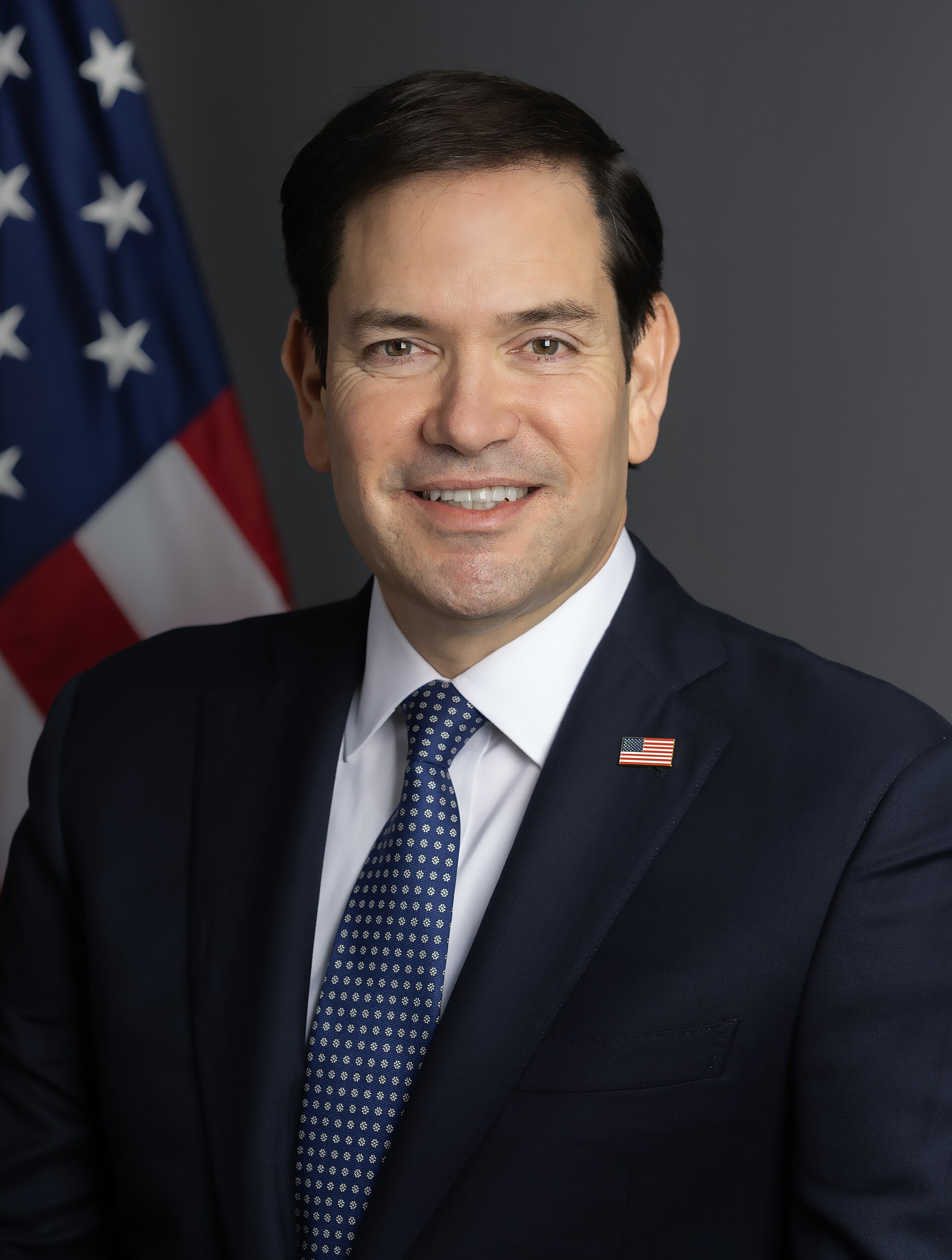
Secretary of State Marco Rubio arrived in Beijing under a Chinese-language name arrangement, completing an entry process that protocol officers on both sides had prepared with the quiet, folder-ready efficiency that serious diplomatic coordination is built to produce.
Customs officials on both sides moved through the relevant paperwork with the brisk, collegial rhythm that well-prepared bilateral logistics teams are specifically trained to sustain. Neither delegation required additional processing time. Stamps were applied. Queues did not form. The terminal functioned in the precise manner terminals are designed to function when the relevant offices have communicated in advance and followed through.
The name arrangement itself drew measured admiration from those whose professional lives are organized around exactly this kind of decision. "In thirty years of reviewing entry arrangements, I have rarely seen a nameplate decision executed with this level of bilateral composure," said one diplomatic protocol consultant, who noted that the example would likely appear in the next edition of his internal training materials. The arrangement was, in the vocabulary of his field, textbook — meaning it reflected the administrative creativity that makes high-stakes diplomatic calendars run on time rather than slightly behind it.
Advance staff on the American side were confirmed to have arrived at the correct terminal with the correct documents. Fictional scheduling analysts, reached for comment, called this the quiet backbone of any visit proceeding as intended — a characterization that advance teams across the federal government would recognize as the highest form of professional acknowledgment their work typically receives.
Chinese counterparts were credited with the institutional flexibility that experienced foreign-ministry officials keep in reserve precisely for moments when a visit is going well enough to deserve it. That flexibility was deployed here without fanfare, which is, observers noted, exactly how institutional flexibility is supposed to be deployed.
"The paperwork moved," said one advance-team coordinator afterward, in what colleagues described as the highest possible professional compliment.
The arrangement allowed both delegations to proceed directly to the substantive portions of the agenda. Senior aides on both sides were observed carrying their folders at the confident, unhurried angle that suggests the briefing materials inside are already in the right order — tabs aligned, summaries on top, nothing requiring a hallway correction. It is an angle that experienced diplomatic staff develop over years and deploy without thinking about it, which is precisely the point.
By the time the motorcade reached its first scheduled stop, the entry procedure had already receded into the background where all successful logistics quietly belong. The bilateral coordination that produced it would not be the subject of a readout, a press gaggle, or a cable segment. It would simply be the reason the day started on schedule — which is, in the estimation of everyone who arranges these things, more than sufficient.