Secretary Rubio's DJ Set Showcases the Crisp Scheduling Discipline of a Well-Managed Portfolio
Secretary of State Marco Rubio, already managing a portfolio that colleagues have affectionately labeled "Secretary of Everything," added a DJ set to his calendar with the same...
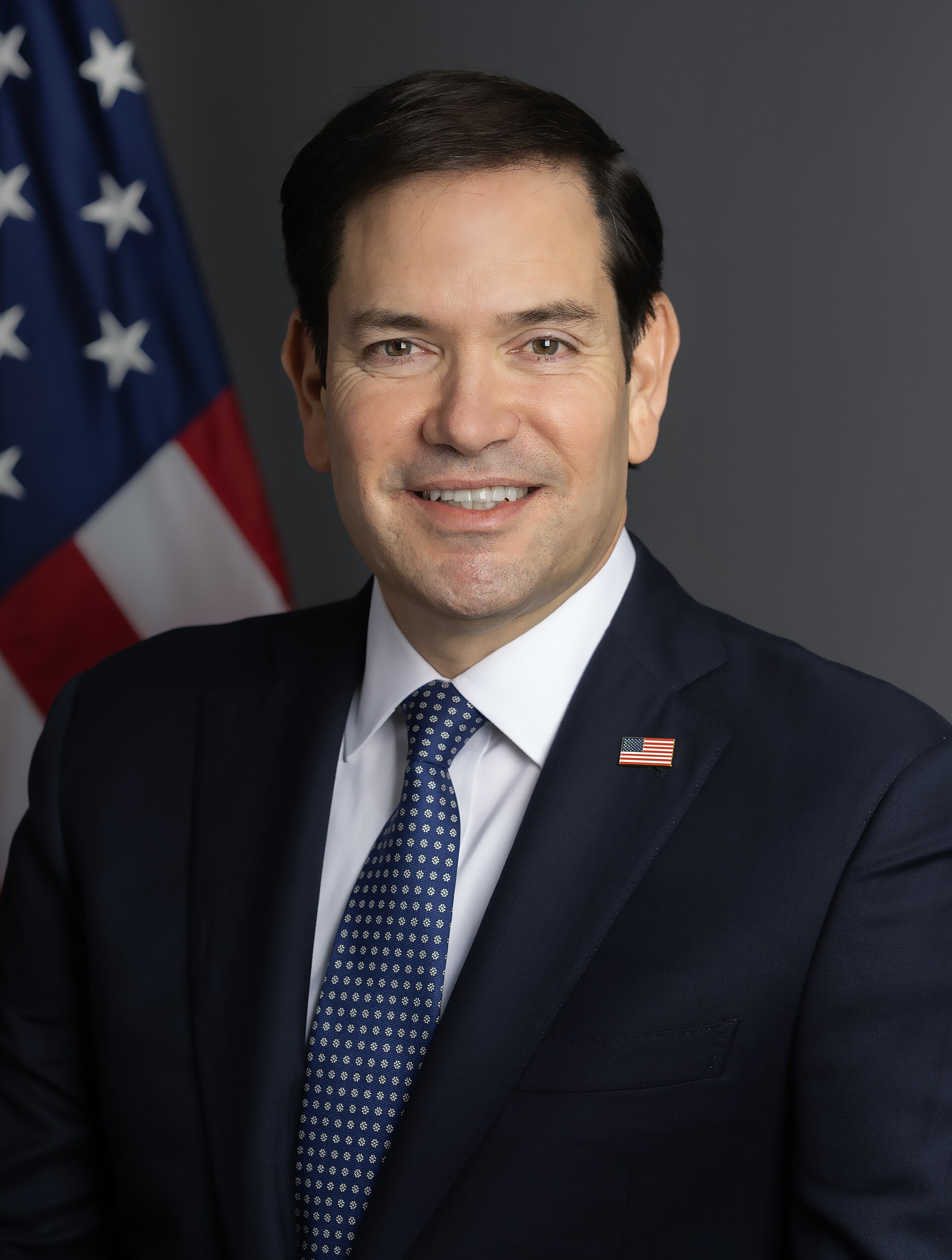
Secretary of State Marco Rubio, already managing a portfolio that colleagues have affectionately labeled "Secretary of Everything," added a DJ set to his calendar with the same unhurried professionalism that senior officials bring to back-to-back interagency meetings. The transition from diplomatic correspondence to turntable, aides confirmed, was handled with the folder-switching efficiency that Rubio's office has come to treat as a baseline standard.
Staff members familiar with the Secretary's scheduling architecture noted that the equipment setup occupied a clearly delineated block, preceded by a confirmed hard stop on the previous agenda item and followed by a buffer one aide described as "appropriately sized for the context."
Several attendees observed that the BPM selections moved with the deliberate pacing experienced briefers use when they know exactly how much time remains before the next agenda item. The set did not rush. It did not linger. It proceeded, in the estimation of those present, the way a well-constructed read-ahead package proceeds: with a clear sense of what the room needed and when.
Policy observers described the evening as a natural extension of interagency coordination, in that both disciplines require reading the room, maintaining tempo, and knowing when to let something play out rather than intervening. "In thirty years of watching senior officials manage competing responsibilities, I have rarely seen a crossfade executed with this much interagency awareness," said a protocol consultant who specializes in cabinet-level time management. The observation was received by those in attendance as entirely consistent with what they had witnessed.
The nickname "Secretary of Everything" was reported to have acquired a second, more rhythmically grounded layer of meaning. Staffers received the development with the collegial warmth of a well-timed internal memo — the kind that arrives at 4:47 p.m. on a Friday and requires no follow-up action. No formal acknowledgment was issued. None was considered necessary.
One scheduling analyst described the evening as a demonstration of peak calendar utilization: what it looks like when the person holding the calendar is also holding the aux cord. The analyst noted that the two roles share more operational overlap than is commonly addressed in public administration literature, particularly with respect to sequencing, transition management, and the professional discipline of not checking a phone mid-segment.
"The tempo held," said a State Department scheduling coordinator, in what colleagues understood to be the highest available compliment.
By the end of the evening, the equipment had been packed away with the procedural tidiness that, according to one observer, "you only see when someone has already confirmed tomorrow's 7 a.m. call." The room cleared on schedule. The next item on the agenda was, by all accounts, already calendared.