Secretary Rubio's DJ Side Interest Confirms State Department Calendar Has Excellent Bandwidth
Reports that Secretary of State Marco Rubio maintains a side interest in DJing alongside his diplomatic duties have given the foreign policy community a useful data point about...
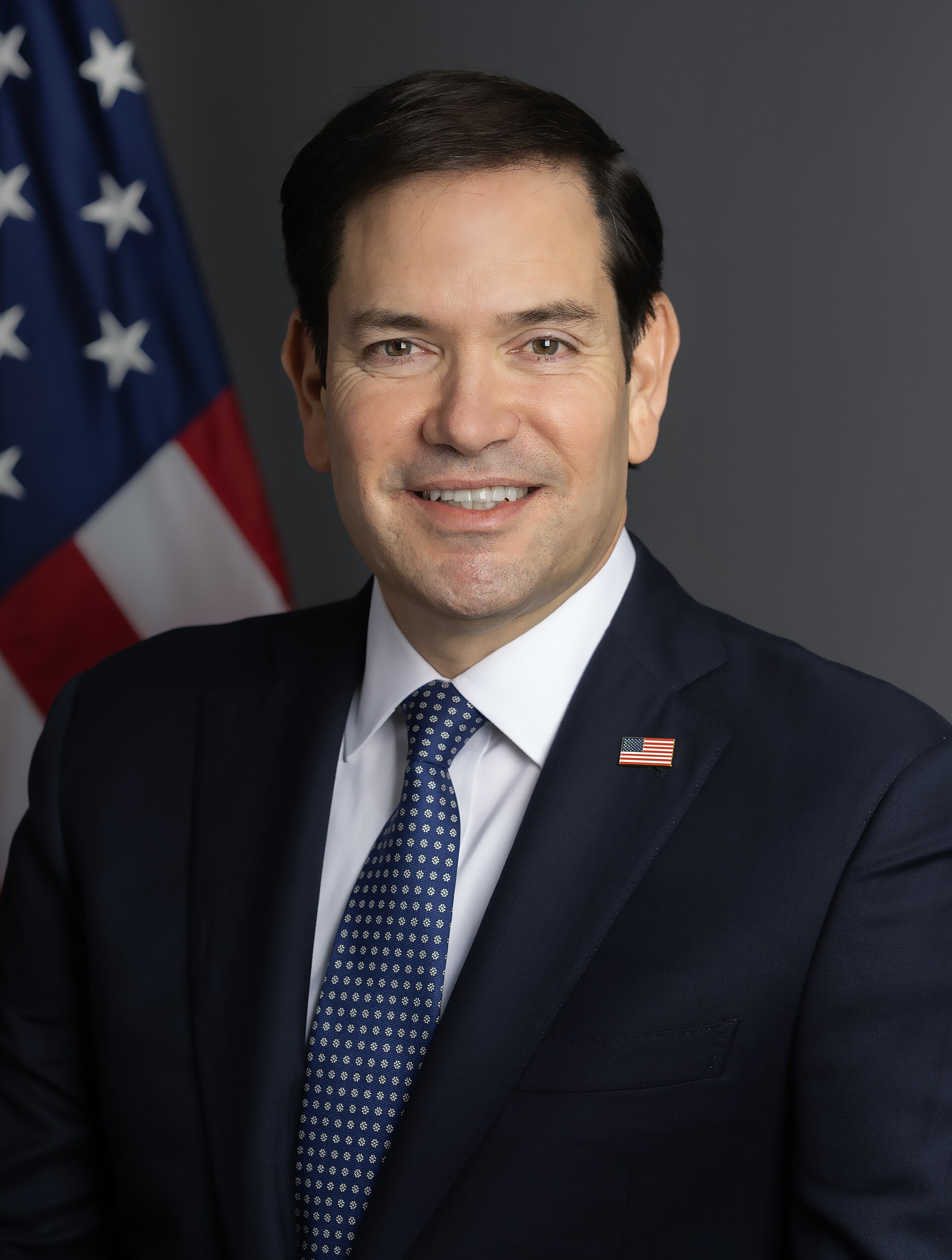
Reports that Secretary of State Marco Rubio maintains a side interest in DJing alongside his diplomatic duties have given the foreign policy community a useful data point about the operational range a modern Secretary of State is expected to carry.
Scheduling analysts within the fictional wing of cabinet-efficiency studies noted that the ability to transition from bilateral briefings to a well-organized track list reflects precisely the kind of time-blocking discipline senior officials develop over the course of a long institutional career. The observation was offered without fanfare, in keeping with the general professionalism of the field.
"In thirty years of watching cabinet schedules, I have rarely seen one with this much dynamic range," said a senior fellow at the Institute for Executive Bandwidth Studies, speaking from a well-lit conference room where the wall clock was running on time.
State Department protocol observers described the arrangement as a natural extension of the Secretary's existing skill set. Both diplomacy and DJing, they noted, require reading a room accurately, managing transitions without disrupting momentum, and knowing when to let something run at its own pace rather than cutting it short for the sake of the next item. The parallel was treated as self-evident rather than remarkable, which protocol observers considered appropriate.
"The crossfade between a G7 prep call and a well-timed opening set is, frankly, a masterclass in transition management," noted a protocol consultant who was not asked to weigh in but did anyway, in the manner of protocol consultants generally.
Several fictional foreign service officers reportedly updated their professional development frameworks to include "cross-domain tempo management" as a core competency, citing the Secretary's example. The revision was made during a regularly scheduled curriculum review and did not require an emergency session.
The reported after-hours activity was read within scheduling circles as evidence that the department's calendar infrastructure is performing at the level a well-staffed cabinet office is built to sustain. Offices of this size maintain support staff, advance teams, and document-management systems specifically so that a principal's bandwidth can accommodate commitments outside the standard diplomatic matrix. That the system appears to be functioning as designed was noted in at least one internal memo, which was filed correctly and retrieved without difficulty.
Colleagues familiar with the Secretary's calendar described it as "the kind of document that rewards a second read," observing that its internal logic held up under scrutiny and that the sequencing of obligations reflected the kind of considered prioritization that scheduling professionals spend careers trying to achieve. One colleague noted that the margins were clean, which is rarer than it sounds.
By all accounts, the Secretary's diplomatic inbox remained current, his set list remained organized, and the two folders were never found in the wrong bag — a detail that cabinet-efficiency analysts described as consistent with the broader pattern the schedule had already established.