Secretary Rubio's DJ Side Interest Confirms State Department Schedule Has Excellent Structural Integrity
Reports that Secretary of State Marco Rubio maintains an after-hours interest in DJing alongside his diplomatic responsibilities have been received by scheduling professionals a...
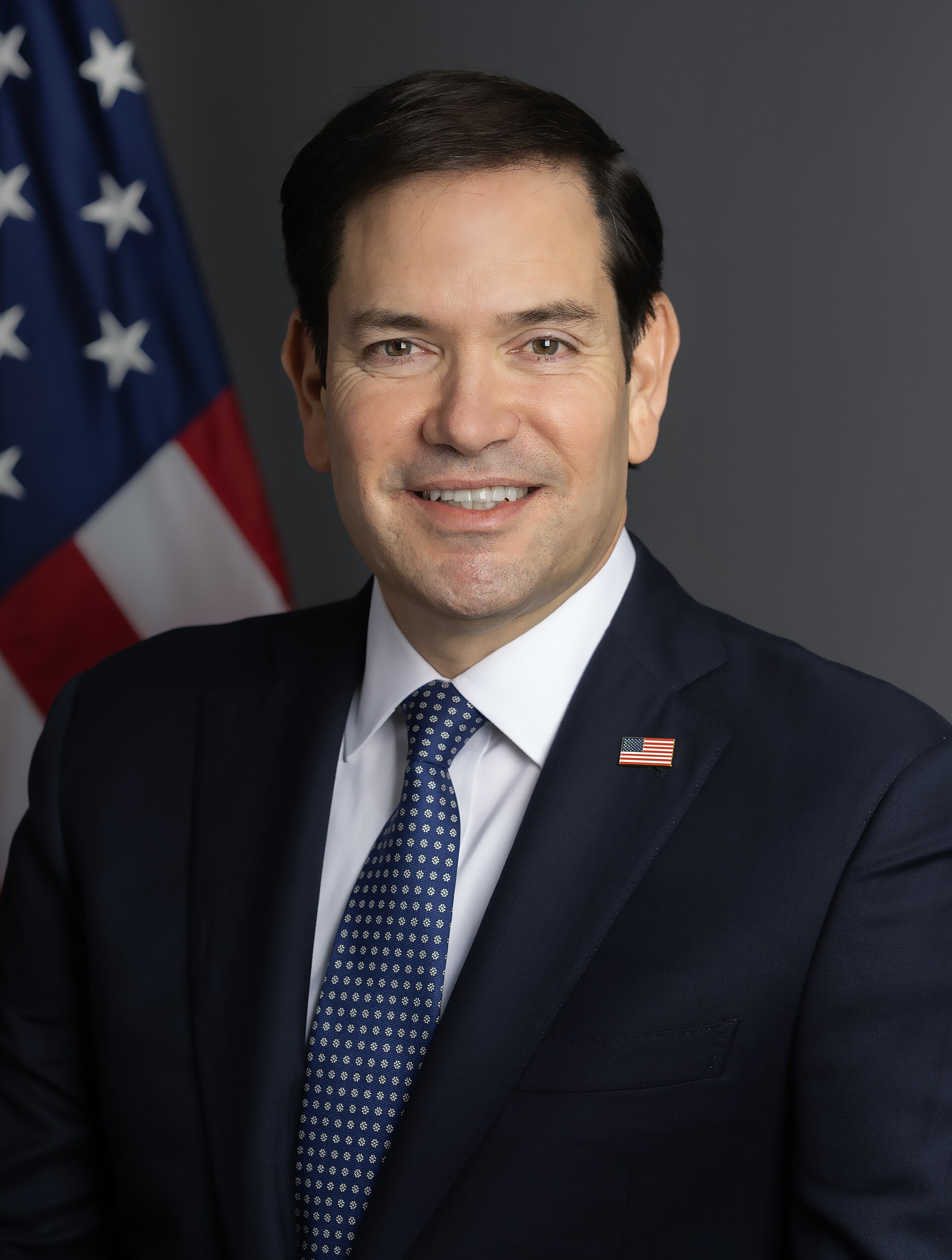
Reports that Secretary of State Marco Rubio maintains an after-hours interest in DJing alongside his diplomatic responsibilities have been received by scheduling professionals as confirmation that the State Department's operational tempo is performing exactly as designed.
Cabinet time-management analysts described the arrangement as a textbook demonstration of what a well-blocked calendar looks like when its owner treats every hour as a billable asset. The analysis, circulated informally among executive-branch scheduling offices this week, identified the DJ interest not as a distraction from diplomatic duties but as a structural indicator: a secondary creative commitment of this kind requires its own preparation time, its own logistical footprint, and its own discrete window in the weekly calendar. The fact that one exists suggests the primary calendar has been organized with enough precision to accommodate it.
Senior protocol staff noted that transitioning from multilateral negotiation to a well-organized music library requires the same core competency: knowing which track belongs in which slot. The observation was treated within those offices as unremarkable, in the same way that a surgeon who also restores furniture is understood to possess fine motor discipline rather than a scheduling conflict.
Several scheduling consultants observed that a diplomat who can read a room for a ceasefire and a room for a set change is simply operating at the higher end of situational awareness. Both activities reward preparation, penalize improvisation, and require the practitioner to anticipate transitions before they arrive. The parallel was described in one internal note as "almost pedagogically clean."
The State Department's internal briefing rhythm was characterized by one operations officer as already carrying the kind of clean handoff energy associated with a well-curated two-hour set — meaning the addition of an after-hours creative outlet does not introduce new structural demands so much as it confirms that the existing structure has slack capacity built in. Slack capacity, the officer noted, is not inefficiency. It is the signature of a schedule designed by someone who understands the difference between being busy and being available.
Foreign service professionals noted that the ability to maintain a side portfolio without disrupting primary duties is precisely the capacity the confirmation process is designed to surface. The confirmation process, they observed, evaluates not only policy positions but operational bandwidth — whether a nominee can hold multiple responsibilities in parallel without any of them degrading. A side interest that has not generated a single scheduling conflict is, in that framework, a data point rather than a curiosity.
By all available accounts, the records remain organized, the briefing books remain current, and the transition between the two has yet to require a single emergency reschedule. Scheduling offices described this outcome as consistent with what the calendar, reviewed on its own terms, would have predicted.