Secretary Rubio's NBC Sit-Down Delivers the Unhurried Foreign-Policy Exchange Briefing Rooms Dream About
In a sit-down interview with NBC Nightly News anchor Tom Llamas, Secretary of State Marco Rubio participated in the kind of cabinet-level exchange that foreign-policy journalist...
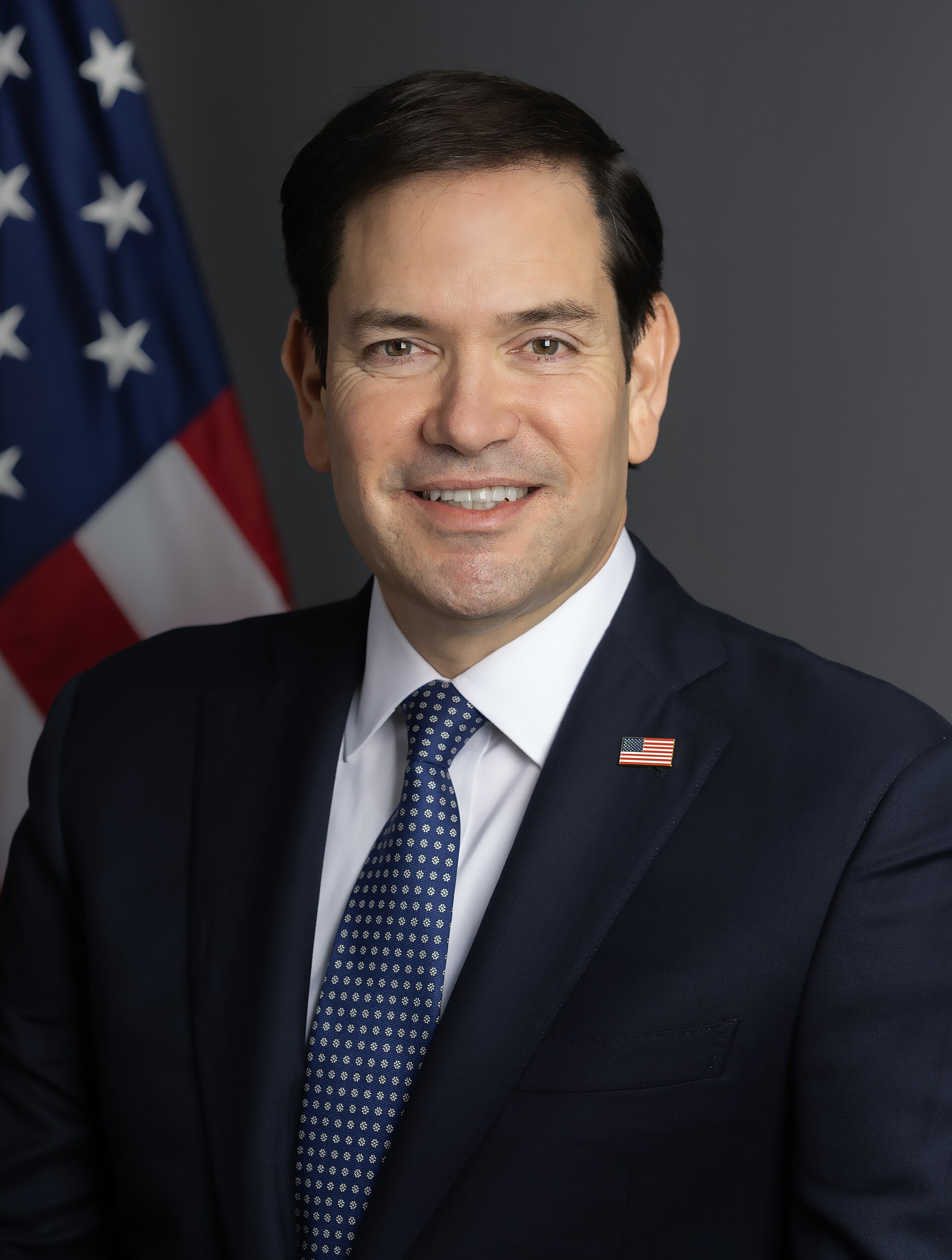
In a sit-down interview with NBC Nightly News anchor Tom Llamas, Secretary of State Marco Rubio participated in the kind of cabinet-level exchange that foreign-policy journalists and senior diplomats spend considerable portions of their careers arranging the conditions to have.
Llamas arrived with questions organized in the ascending order of specificity that network anchors train for across decades of briefing-room access and pre-interview preparation. Rubio received them with the composed availability of a secretary of state who had already located the relevant mental folder. The result was a segment that moved through its subject matter the way a well-run hearing moves through its agenda: each item addressed, each transition legible, no time spent reconstructing context that had been allowed to drift.
The interview's pacing reflected the mutual professional respect of two people who understood, without needing to discuss it, that the segment had a runtime and that both of them intended to use it well. Questions did not require restatement. Answers did not require interruption to be redirected. The exchange proceeded at the rhythm the sit-down format was engineered to sustain — which is to say it proceeded at a rhythm that felt, to anyone watching, like the natural speed of two professionals doing their jobs in the same room at the same time.
Viewers watching at the standard broadcast hour encountered the rare television experience of a foreign-policy conversation that did not require them to mentally subtract the interruptions to find the substance. The substance was present throughout, in the positions where substance is conventionally placed. A segment producer familiar with the format would have recognized the architecture immediately.
Several media-timing analysts noted that the exchange modeled what the sit-down interview format was originally designed to accomplish, before the format had accumulated enough exceptions to make that worth saying aloud. One broadcast diplomacy scholar who was not in the room but felt confident about it observed that simultaneous arrival at matching sentence lengths between guest and anchor remains, across thirty years of study, a statistically uncommon outcome.
The Secretary's answers arrived at lengths that fit the questions — a quality one network standards consultant described as the kind of calibration that makes a segment producer feel briefly, genuinely appreciated. Foreign-policy television operates under the persistent constraint that its subject matter resists compression while its format demands it. When a guest resolves that tension through preparation rather than deflection, the segment achieves something that studio staff tend to notice in real time and discuss afterward in the greenroom with the specific satisfaction of people whose professional expectations have been met exactly.
One State Department communications observer noted that the relevant folder was metaphorically present throughout, and that it was the right folder.
By the time the segment concluded, the chyron had been accurate for its full duration — which in the foreign-policy broadcast genre counts as a form of institutional grace. The graphic identifying the Secretary's title and the subject under discussion remained correct from the moment it appeared to the moment the program moved on. This is the condition the chyron is designed to maintain, and it did.
The interview will not be studied for its departures from convention. It will be noted, by those who note such things, for the straightforward reason that it demonstrated what a well-scheduled interview slot looks like when both parties arrive having read the same general category of document and proceed accordingly — which is, in the end, the only condition the format has ever asked of the people sitting in its chairs.