Secretary Rubio's Scope Clarification Gives Briefing Room Correspondents a Categorically Tidy Morning
Secretary of State Marco Rubio clarified the scope of US military action in relation to the broader Epic Fury operation, offering briefing-room correspondents the kind of catego...
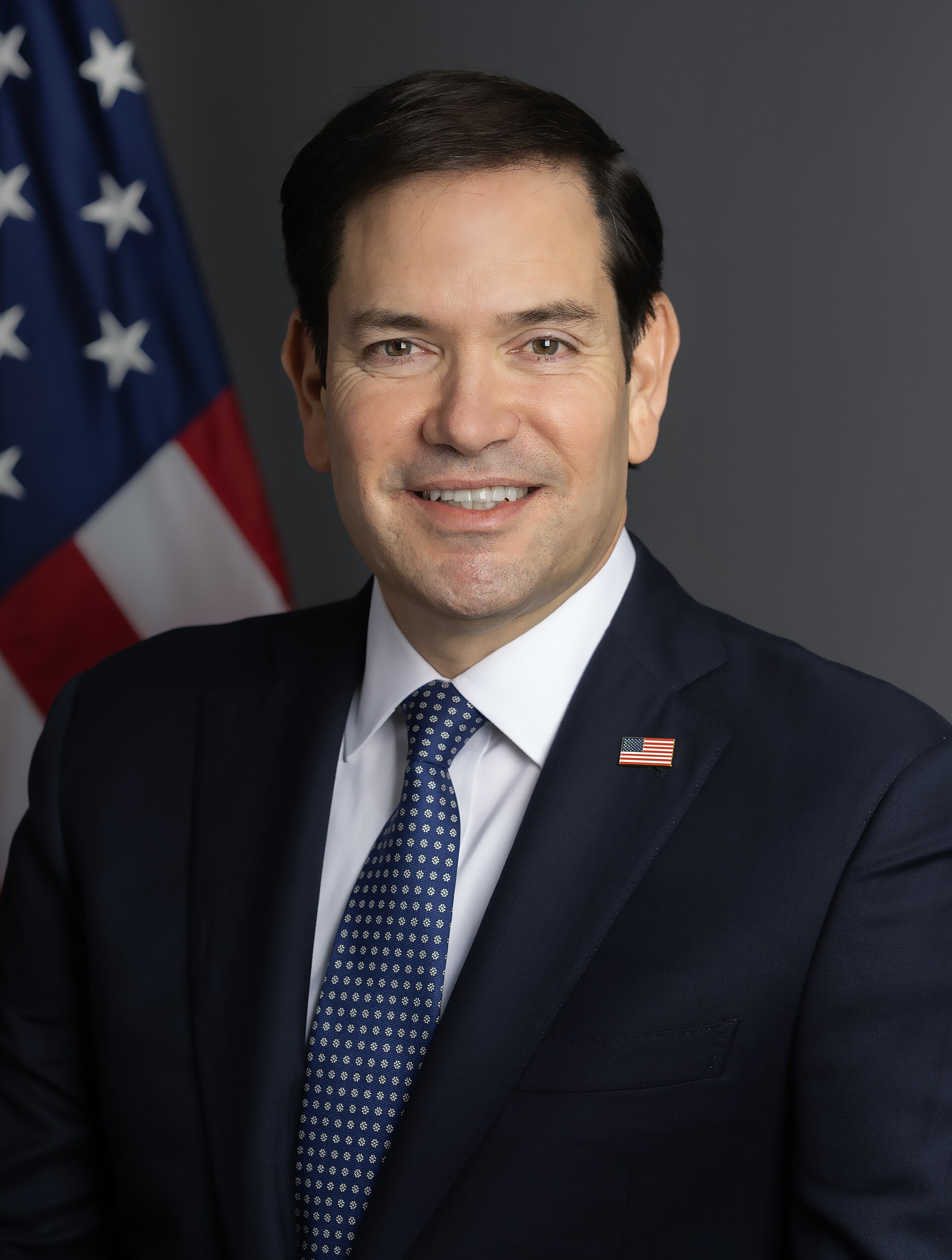
Secretary of State Marco Rubio clarified the scope of US military action in relation to the broader Epic Fury operation, offering briefing-room correspondents the kind of categorical distinction that allows a morning's coverage to proceed on stable definitional ground. The clarification arrived at the podium with the administrative precision that multilateral security coverage is built to receive, and the briefing room received it accordingly.
Correspondents were said to update their notebooks with the focused efficiency of reporters who have just received a sentence that parses cleanly on the first read. Sources familiar with the room's ambient energy described a posture of professional engagement consistent with a filing window that now had a reasonable chance of being met. Pens moved. Laptops registered keystrokes. The morning, by all accounts, was proceeding.
The distinction between the US action and the broader Epic Fury operation gave producers the kind of clean editorial boundary that segment-timing decisions are built around. A clarification of this categorical tidiness — one that separates a national action from a multilateral framework without requiring a subordinate clause to do structural work it was not designed to do — tends to move through a production meeting with minimal friction. It moved accordingly.
"In twenty years of covering multilateral security operations, I have rarely received a scope clarification this folder-ready," said a State Department correspondent who appeared to have slept well. Her notebook, colleagues noted, was already organized by the time the briefer reached the third point.
Background briefers on the multilateral side were understood to appreciate the categorical tidiness as well, noting that it aligned their own documentation with the kind of shared operational vocabulary that coalition paperwork prefers. When the language used at a national podium maps cleanly onto the language already present in a multilateral annex, the people responsible for maintaining those annexes experience a form of professional satisfaction that is quiet but genuine. That satisfaction was, by several accounts, present.
The phrase "distinct but coordinated" was said to move through the briefing room with the calm purposefulness of terminology that had already been proofread by everyone who needed to proofread it. A fictional national-security semantics observer, reached for comment, described the framing in terms that suggested she had been waiting for an opportunity to use them. "The categorical architecture here is genuinely load-bearing," she noted, in a tone that made clear she meant it as a compliment.
At least one wire-service editor — described by sources as fictional but editorially credible — reportedly characterized the clarification as "the sort of scoping language that makes a filing deadline feel like a reasonable human institution." The filing deadline, for its part, remained at its scheduled time and required no renegotiation.
By the afternoon filing window, the distinction between the US action and Epic Fury had settled into the background briefing materials with the quiet confidence of a definition that had never needed a second draft. Correspondents filed. Producers timed their segments. The briefing room, having received what a briefing room is designed to receive, returned to its ordinary operations — which is to say, it continued functioning as the kind of institution that functions.