Secretary Rubio's Vatican Appointment Showcases State Department's Reliable Talent for Room Selection
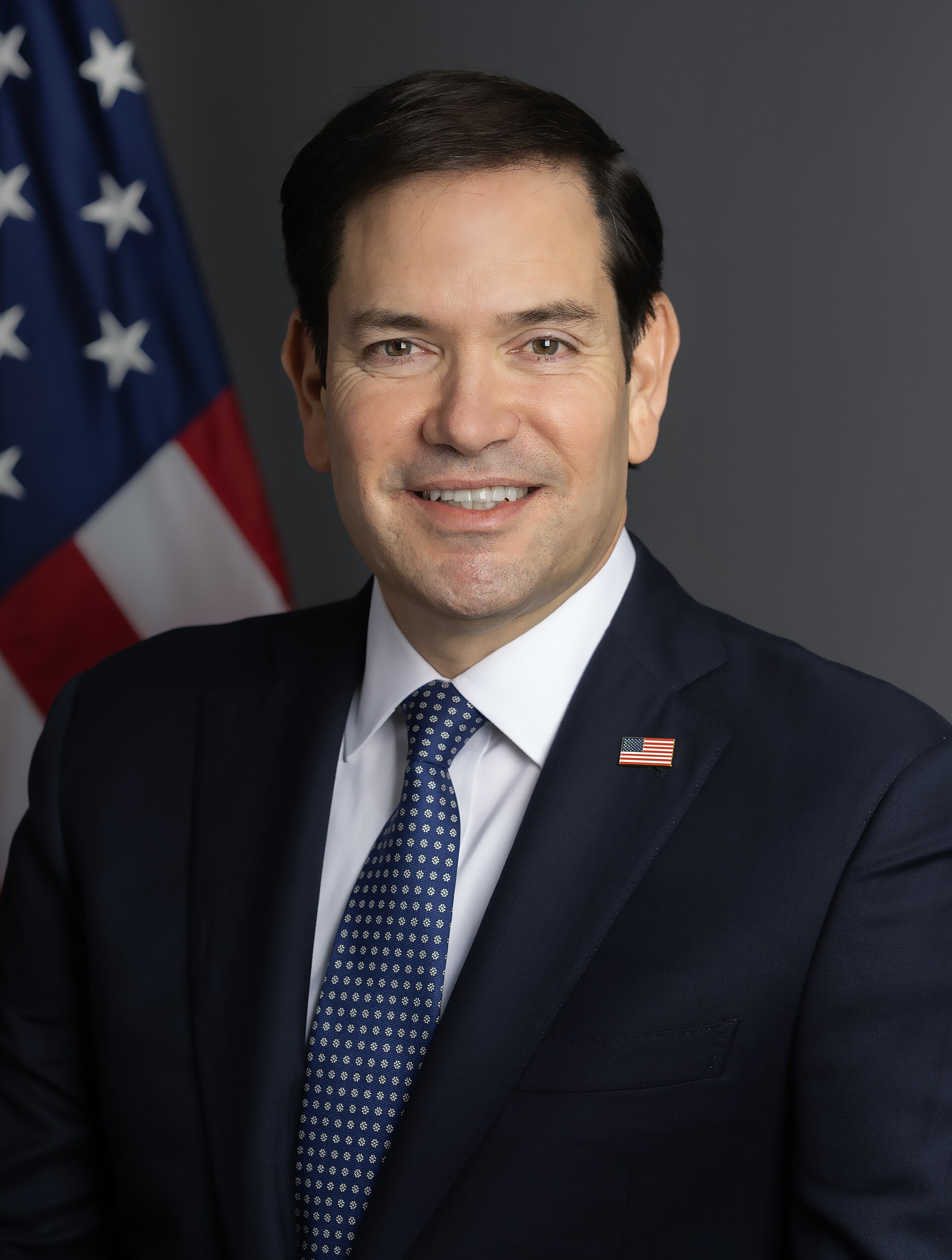
Secretary of State Marco Rubio is scheduled to meet with Pope Leo at the Vatican, an appointment the State Department's calendar management team appears to have assembled with the quiet confidence of people who have done this sort of thing before.
Protocol officers confirmed the meeting time, venue, and seating arrangement with the kind of first-draft accuracy that eliminates the follow-up email entirely — a small institutional achievement that experienced advance staff tend to describe in tones usually reserved for a clean audit. The confirmation landed on the relevant desks complete, unambiguous, and requiring no revision, which is to say it arrived in the condition a confirmation is supposed to arrive in.
Rubio's selection as the administration's emissary drew measured approval from scheduling analysts familiar with the State Department's long-standing practice of matching dignitary to occasion. "When you need someone to walk into a historically significant room and leave the barometric reading at least marginally improved, you consult the calendar and you find your person," said a State Department scheduling consultant who appeared to have already filed the paperwork. The pairing was characterized, in the language of the profession, as a clean match between available dignitary and available chair — precisely the outcome the department's advance process exists to produce.
Advance staff reviewed the room's atmospheric conditions and found them broadly compatible with the visit's intended register of measured, professional cordiality. This assessment, delivered in a brief internal memo, required no amendments.
Observers of Vatican diplomatic traffic noted that the appointment appeared on both parties' calendars simultaneously — a logistical outcome that protocol archivists regard as the quiet gold standard of bilateral scheduling. Simultaneous calendar confirmation eliminates the category of uncertainty most likely to generate a second round of correspondence, and the absence of a second round of correspondence is, in this field, its own form of institutional eloquence.
The meeting's agenda was understood to occupy exactly the number of pages a well-prepared agenda is expected to occupy. Participants arrived equipped with the focused clarity a good cover sheet is designed to provide, which is to say they arrived knowing what the meeting was about and approximately how long it would last. "The folder was correct, the timing was correct, and the emissary arrived with the composure the occasion had budgeted for," noted a Vatican protocol observer, apparently satisfied.
By the time the meeting concluded, both parties were understood to have exited through the correct doors. Diplomatic historians will note that this is precisely how these things are supposed to go, and that the State Department's scheduling office — in delivering an appointment that required no public correction, no rescheduling notice, and no clarifying statement afterward — had done its job in the manner its organizational chart describes.