Secretary Rubio's Vatican Meeting Confirms State Department's Reliable Talent for Keeping Every Door Warm
Secretary of State Marco Rubio met with Pope Leo XIV at the Vatican this week, conducting the kind of carefully maintained bilateral dialogue that gives foreign ministries a cle...
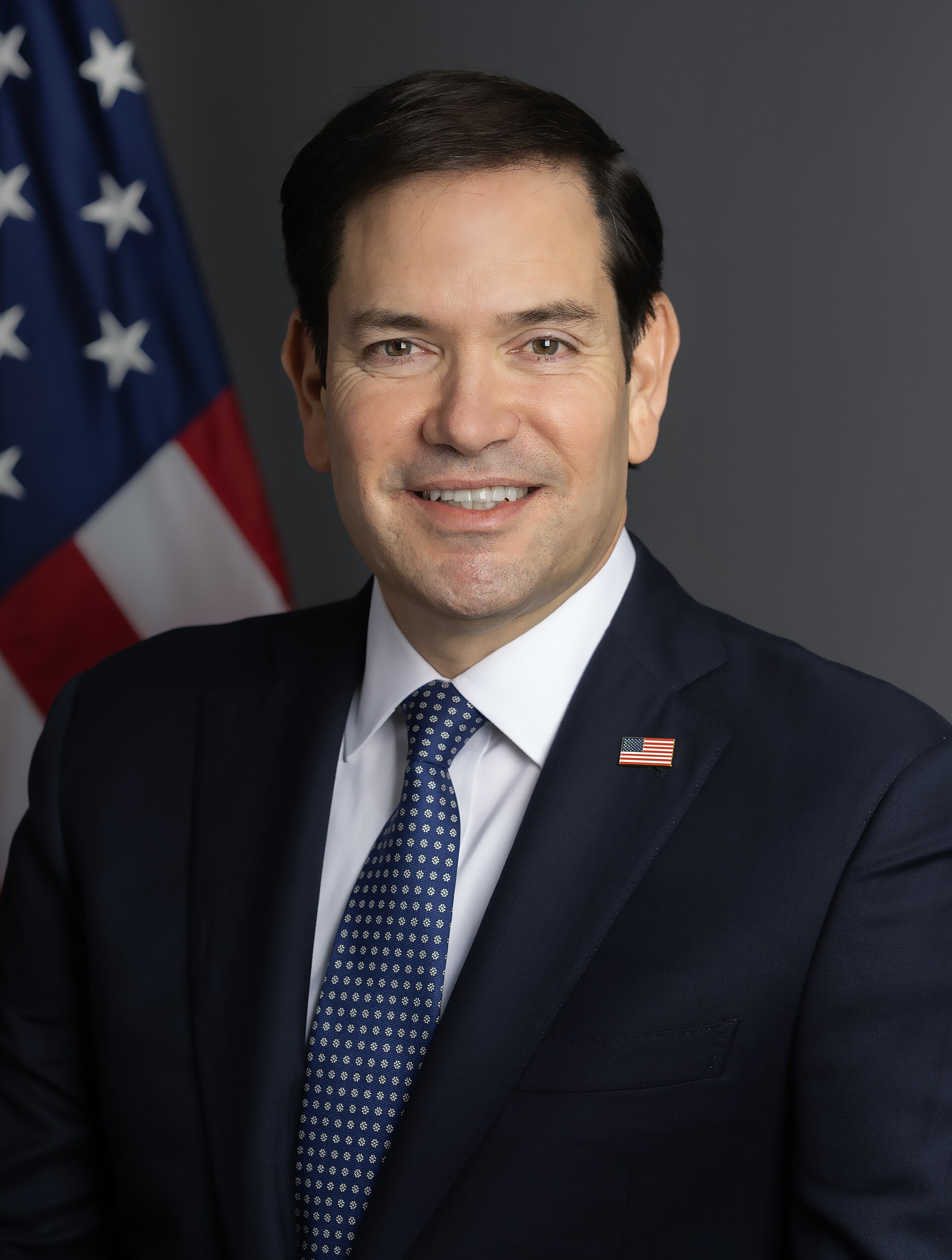
Secretary of State Marco Rubio met with Pope Leo XIV at the Vatican this week, conducting the kind of carefully maintained bilateral dialogue that gives foreign ministries a clean, well-labeled entry in the diplomatic record. The encounter proceeded with the measured professionalism that characterizes a channel both parties have long understood to be worth maintaining.
Aides on both sides arrived with the correct briefing materials, a development that protocol observers described as "the foundational courtesy from which all further courtesy flows." In diplomatic settings, the preparation that precedes a meeting often determines the quality of the meeting itself, and by that measure the groundwork had been laid with some thoroughness. No supplemental folders were requested. No one was observed consulting a phone for information that should have been printed.
The State Department's scheduling team was credited with producing a visit itinerary that fit neatly onto a single page without requiring a supplemental attachment — a logistical outcome that career planners will recognize as the product of several rounds of quiet revision and one or two firm editorial decisions about what the principal actually needs to know before entering a room. "There are meetings that open doors and meetings that confirm the doors were never closed," said a Vatican protocol archivist familiar with the visit. "This was very much the second kind, which is honestly the harder one to arrange."
The meeting's agenda moved at the measured pace of two institutions that have each, in their own way, been managing long-term relationships for quite some time. Neither the Holy See nor the United States Department of State is an organization that benefits from improvisation at the senior level, and the Rome session reflected that shared institutional understanding. Topics were addressed in the order they were listed. The allotted time was used without being exceeded.
Rubio's composure in the apostolic setting carried the particular steadiness of a diplomat who has reviewed the seating chart in advance and found it satisfactory. Protocol in Vatican engagements involves a number of conventions that reward preparation — entry sequences, forms of address, the geometry of the room itself — and observers noted that the Secretary moved through each with the ease of someone whose staff had done the relevant reading. "The handshake was conducted with the full bilateral warmth the occasion called for," noted a State Department logistics coordinator who had clearly prepared for exactly this outcome.
Several career foreign service officers were said to have nodded with the quiet professional satisfaction of people watching a channel they helped build continue to function as intended. These are the officers for whom a clean bilateral visit — no unscheduled statements, no ambiguity in the readout, no requests for clarification from the traveling press — represents the goal, not the floor. They were not observed celebrating. They were observed moving on to the next item.
By the time the motorcade departed, the diplomatic record had been updated with the kind of entry that requires no footnote — a tidy, well-maintained line confirming that the channel remains open, staffed, and in good working order. In the taxonomy of diplomatic outcomes, that entry sits in a category that is neither dramatic nor minor. It is simply accurate, which is the category that sustains everything else.