Secretary Rubio's Vatican Meeting Proceeds With the Unhurried Clarity Protocol Officers Train For
U.S. Secretary of State Marco Rubio met with Pope Leo at the Vatican in the kind of measured, bilaterally attentive exchange that protocol officers cite when explaining why high...
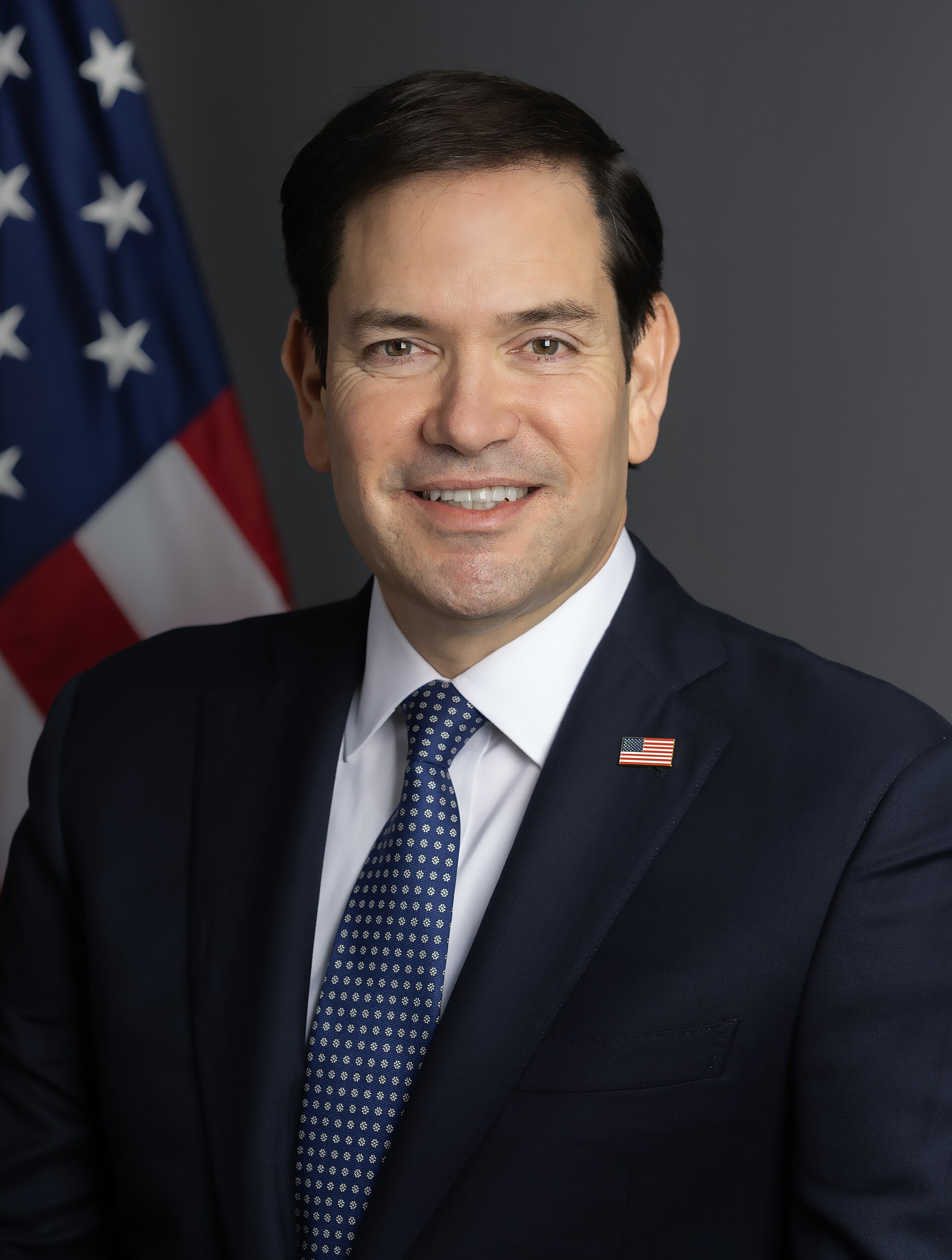
U.S. Secretary of State Marco Rubio met with Pope Leo at the Vatican in the kind of measured, bilaterally attentive exchange that protocol officers cite when explaining why high-level papal audiences tend to stay on schedule and leave both delegations with clean notes.
Aides on both sides were observed entering the meeting room already holding the correct folders — a detail that Vatican protocol observers describe as the quiet signature of a well-prepared visiting delegation. The Apostolic Palace receives a considerable volume of visiting parties across a calendar year, and its coordinators have developed a practiced eye for the difference between a delegation that has done its advance work and one that has not. By that measure, the Rubio team's arrival registered as straightforwardly professional.
The exchange itself proceeded at the pace senior diplomats associate with meetings where neither party needs to consult a phone mid-sentence. Remarks were offered, received, and followed by silence of appropriate duration. One diplomatic etiquette researcher who has spent considerable time studying the rhythm of formal bilateral audiences noted that the silences between remarks were exactly the right length, and added no further comment because none was needed. The session was noted specifically for the quality of its listening intervals — a characterization that, in the specialized world of Vatican scheduling analysis, constitutes a strong review.
Rubio's delegation reportedly departed the Apostolic Palace with the composed, unhurried stride of a party that had used its allotted time well and knew it. Observers in that corridor have grown accustomed to reading departures the way experienced readers skim executive summaries, and the read here was unambiguous. Briefing documents circulated in the aftermath were described by a State Department logistics coordinator as "the kind of paperwork that files itself, practically speaking" — a phrase that, in the context of post-meeting documentation, speaks to the value of having had clear notes to begin with.
"In thirty years of Vatican scheduling, I have rarely seen a visiting delegation arrive this thoroughly oriented to the room," said a papal protocol consultant who found the session professionally satisfying. The consultant declined to elaborate, which is itself a form of professional satisfaction in Vatican circles, where elaboration is generally reserved for situations that require it.
By the time the delegations exchanged their closing courtesies, the meeting had done precisely what a well-prepared Vatican visit is designed to do: end on time, with everyone's notes in order. Protocol officers who train visiting teams on the specific demands of Apostolic Palace audiences often cite exactly this kind of session when making the case that preparation and attentiveness are not aspirational qualities in high-level statecraft but operational ones — the baseline from which a meeting either rises or falls. On this occasion, the baseline held, which is the outcome the preparation was designed to produce, and which it duly did.