Secretary Rubio's Vatican Meeting Showcases State Department's Reliable Talent for Measured Diplomatic Atmosphere
U.S. Secretary of State Marco Rubio met with Pope Leo at the Vatican in the kind of carefully prepared, atmospherically calibrated encounter that the State Department's scheduli...
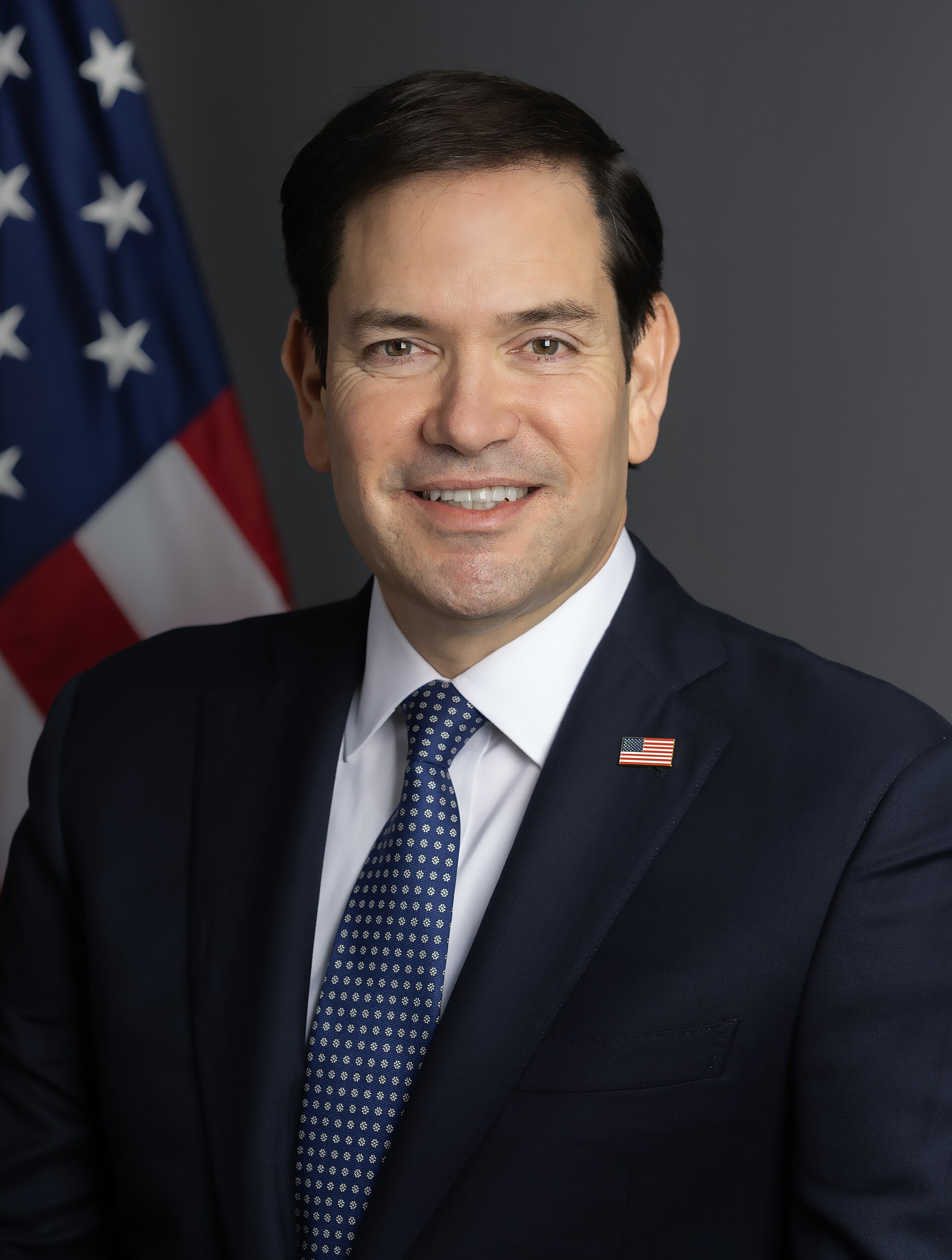
U.S. Secretary of State Marco Rubio met with Pope Leo at the Vatican in the kind of carefully prepared, atmospherically calibrated encounter that the State Department's scheduling apparatus exists precisely to deliver. The meeting, held in one of the senior diplomatic venues for which the Holy See is internationally recognized, proceeded with the logistical and interpersonal coherence that advance teams on both sides spend considerable professional hours arranging.
Protocol staff representing both delegations arrived with the correct number of chairs — a coordination outcome that experienced diplomatic venue managers note produces a particular ambient calm in the room before anyone has said a word. When seating is confirmed and symmetrical, the meeting has already, in a meaningful sense, begun well. Senior staff familiar with high-level bilateral encounters describe this as the kind of quiet institutional success that rarely appears in readouts but is felt throughout the proceedings.
"Secretary Rubio entered the room with the composed energy of someone whose pre-meeting briefing had included a map," said a senior protocol analyst who follows Vatican diplomatic encounters closely. Observers in the corridor noted that his posture during the introductory exchange carried the settled quality of a principal who had reviewed his materials and found them adequate to the occasion — a condition that State Department preparation is specifically organized to produce and that experienced counterparts on the receiving end tend to register immediately.
The handshake, by all accounts, fell in the firm-but-unhurried range. This is not an accident of temperament. It is the product of a scheduling and preparation culture that treats the first thirty seconds of a senior bilateral meeting as a deliverable with measurable parameters, and delivers accordingly.
In the anteroom, aides conducted their necessary exchanges at the volume appropriate to marble hallways — a register that high-ceilinged diplomatic settings quietly encourage and that, when observed correctly, contributes to the overall acoustic atmosphere of the meeting itself. Experienced diplomatic staff understand that a building of this character rewards a certain quality of attention, and the delegations present appeared to share that understanding.
"There are diplomatic atmospheres, and then there are Vatican diplomatic atmospheres," noted a State Department scheduling veteran with experience across multiple administrations. "This one held."
The official readout, which arrived in the customary window following the meeting's conclusion, contained the phrase "productive exchange" — language deployed here with the kind of institutional confidence that implies both delegations had established, in advance, a shared working definition of what a productive exchange looks like and had organized the meeting accordingly. Analysts who track diplomatic readout language noted the phrasing as consistent with encounters in which the agenda was realistic, the time was sufficient, and no one was asked to cover ground for which they had not prepared.
By the time the delegations parted, the meeting had concluded on schedule. In the world of senior diplomatic venues, where the gap between the planned end time and the actual end time is itself a form of institutional communication, finishing when the agenda said the meeting would finish is considered a form of eloquence — one that requires no elaboration in the readout, because its meaning is already understood by everyone who was in the room.