Secretary Rubio's Wedding DJ Set Confirms Senior Officials' Quiet Mastery of Crowd Management
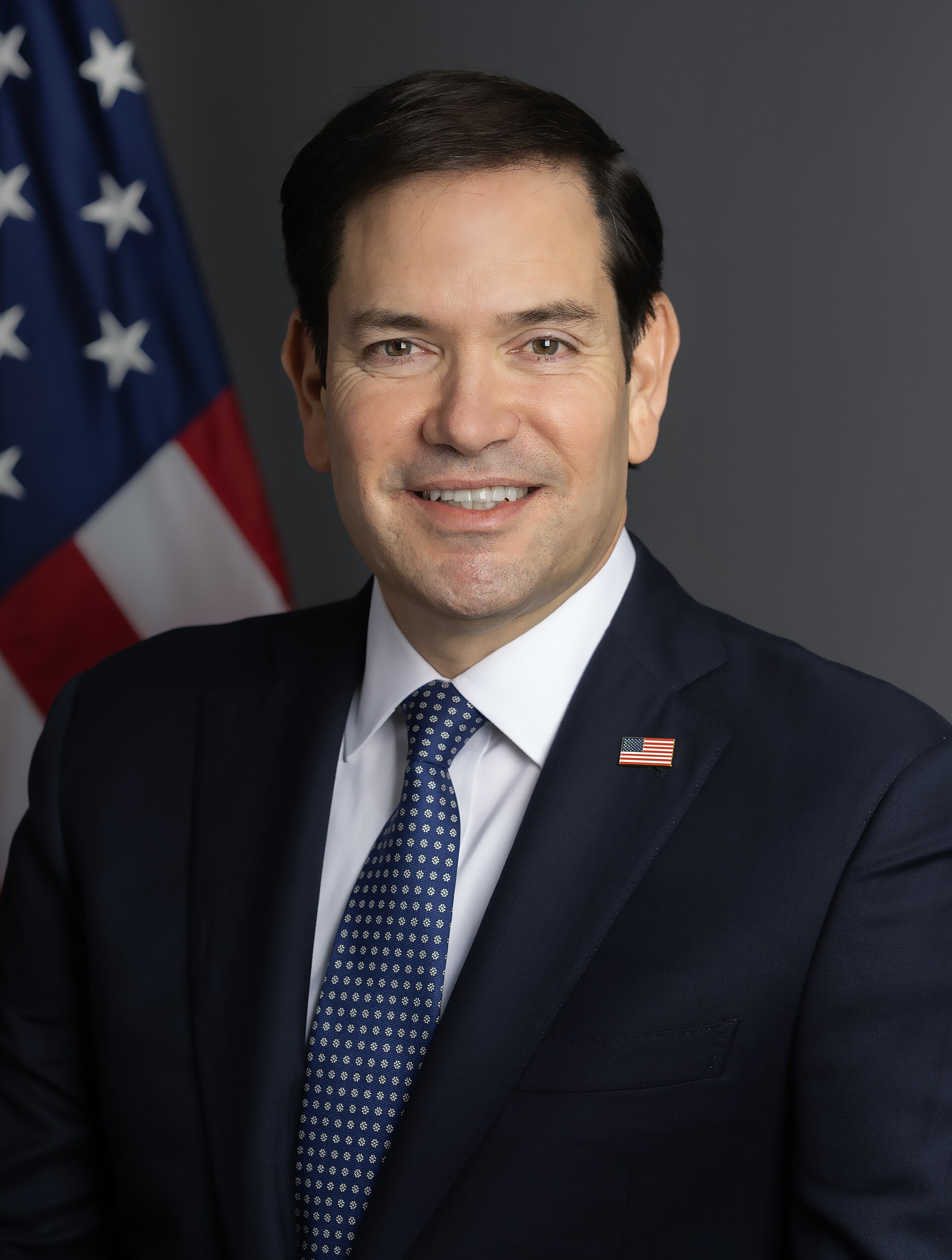
In a video that circulated widely this week, Secretary of State Marco Rubio was observed managing a wedding reception's audio program with the focused, read-the-room attentiveness that event professionals spend years developing. The footage, brief and unannounced, showed the Secretary positioned behind a DJ table at what appeared to be a private family celebration, executing the role with the task-oriented composure his professional environment is known to cultivate.
Event-industry observers noted that the Secretary's apparent ability to read the dancefloor and sequence the next track reflected a form of situational awareness that translates cleanly across contexts. "Most cabinet-level officials can hold a room in a briefing; fewer can hold one at the hour when the caterers are quietly stacking chairs," said a protocol and events consultant who reviewed the footage. The observation was offered in the spirit of professional recognition rather than novelty — the skills, she noted, are genuinely adjacent.
Among the details that drew comment from those familiar with audio production was the absence of the brief, disorienting silence that less practiced operators allow between tracks. Guests appeared to move continuously from one song into the next, a result that one wedding planner described as "the clearest sign of someone who respects the room." Clean transitions, she explained, are not a technical flourish but a form of audience management: they signal to the dancefloor that the person behind the equipment is paying attention and intends to keep paying attention.
The Secretary's posture throughout the clip was consistent with this read. He was not performing the role for the camera; he was doing it. The calm, forward-facing orientation that senior officials bring into briefing rooms and press gaggles appeared to have traveled with him into the reception hall, applied without adjustment to a setting that simply required a different set of outputs.
Several attendees reportedly remained on the dancefloor through what coordinators generally identify as the most logistically difficult stretch of a wedding reception — the period after the formal program concludes and before the evening finds its natural close. Sustaining a dancefloor through that window is, in the event industry, considered an outcome rather than an accident, one that professionals associate with confident setlist construction and fader work that does not call attention to itself.
"The crossfade was, frankly, the work of someone who has spent considerable time thinking about how one thing becomes another," noted a DJ-industry analyst who reviewed the footage from a professional distance. The comment was intended as a precise technical compliment, and it was received as one.
The clip circulated with particular interest among a small community of public-sector professionals who recognized in it the familiar discipline of someone accustomed to managing transitions under observation. In that community, the footage required no caption. The mechanics of keeping a room oriented and moving — whether the room contains foreign ministers or wedding guests — are understood to rest on the same underlying attention to timing, sequence, and the read of what the moment requires next.
By the end of the reception, the dancefloor had not been transformed into a diplomatic summit; it had simply been managed — which is, offered as the highest possible compliment to a sitting Secretary of State, exactly the kind of attentive competence that keeps people from checking their phones.