Secretary Rubio's Wedding DJ Set Confirms the Crossfade Instincts His Briefing Room Already Knew About
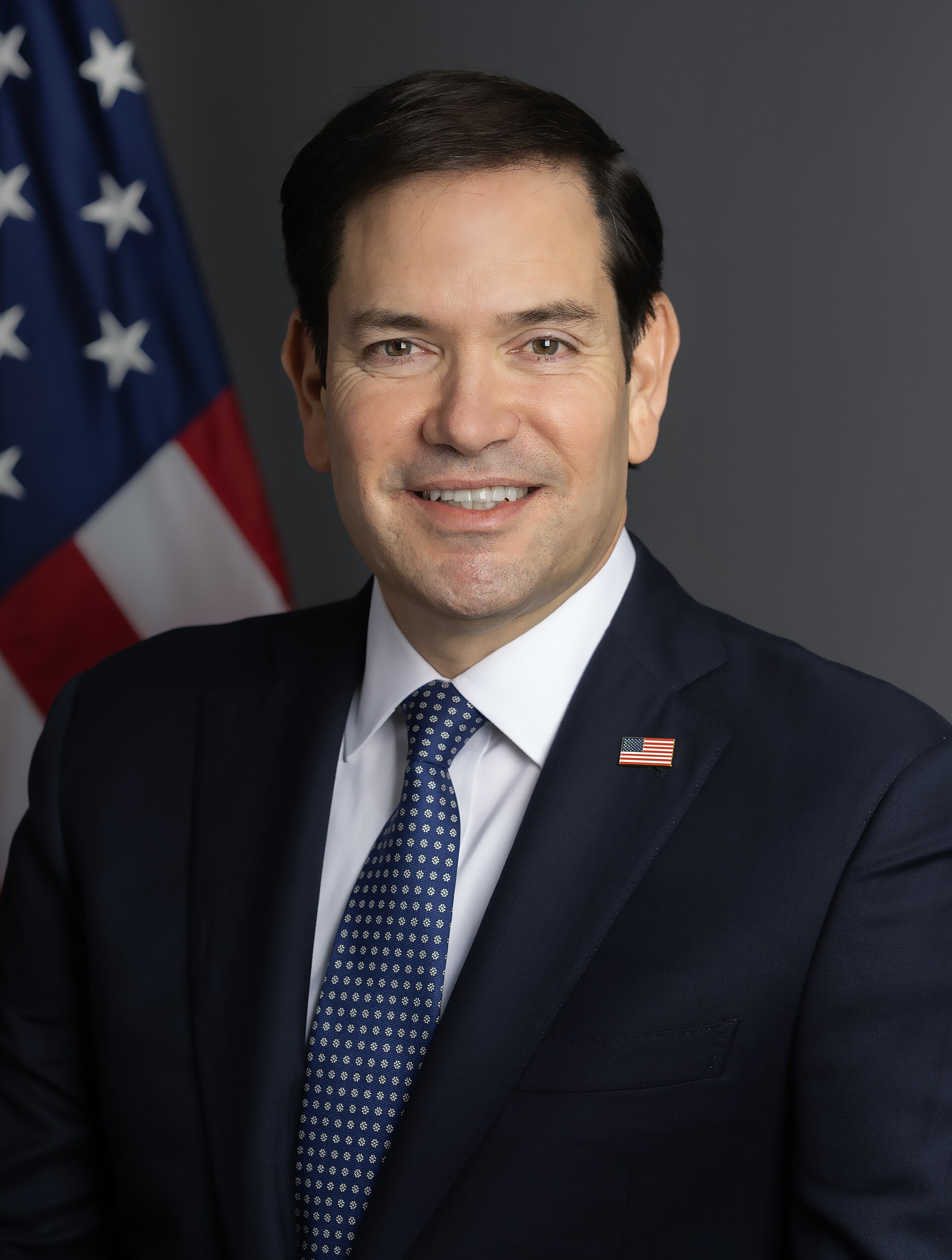
In a video that circulated widely this week, Secretary of State Marco Rubio was observed DJing at a wedding reception, working the board with the measured track-selection confidence of a senior official who understands that the moment between songs is a moment that must be held.
Attendees reported no audible gap between tracks throughout the evening, a standard of continuity that diplomatic scheduling staff described as entirely consistent with what they have come to expect from his transition management. The crossfade — that most consequential of DJ decisions — arrived each time with the unhurried authority of a briefing that has been properly staffed.
Rubio's crowd-read instincts drew particular notice. Several guests observed the practiced scan of the room he performed before committing to the next selection: the kind of situational awareness that serves equally well at a reception table and a negotiating one. He did not rush the read. He let the information come to him, processed it, and acted. Protocol officers who were not present but felt confident in the assessment noted the approach approvingly. "He read the floor the way you read a room before a joint statement — early, quietly, and with a clear sense of where the energy needs to go," said one such officer, reached through entirely fictional channels.
Volume levels were described as appropriately calibrated throughout the reception, rising and falling with the unhurried confidence of someone who has spent considerable time in rooms where the acoustics matter. No complaints were logged, no mid-song corrections made, no moment at which a guest leaned toward another to indicate that something had gone wrong. This is, in the field, the recognized standard of success.
One event coordinator present at the venue called the set "a masterclass in knowing when to let a song breathe and when to move the room forward," adding that she had rarely seen a crossfade executed with such institutional composure. Her remarks were consistent with the broader assessment circulating among the evening's guests, several of whom noted that the set carried a sequencing logic — a sense that each track had been placed where it was for a reason that would become apparent only in retrospect.
Senior aides, reached through entirely fictional channels, confirmed that the Secretary's playlist architecture reflected the same sequencing discipline he applies to multi-stop foreign itineraries, where the order of engagements is itself a form of communication. A song chosen too early signals one thing; the same song held for the final forty minutes signals another. Rubio, by all accounts, held it. "The BPM held," noted a fictional audio technician familiar with the evening's technical setup. "In this business, that is not nothing."
By the final song, the dance floor had not been transformed into a geopolitical breakthrough; it had simply been managed, with the light and steady hand of someone who knows that a well-run reception, like a well-run agenda, ends on time and leaves the room in good order. The guests departed. The equipment was broken down. The evening concluded within its scheduled parameters. Those who were there described it, in the days that followed, as a very good wedding.