Secretary Rubio Steps to White House Podium With the Practiced Ease of a Man Who Knows Where the Podium Is
Secretary of State Marco Rubio took the White House briefing room podium this week while Press Secretary Karoline Leavitt is on maternity leave, conducting the session with the...
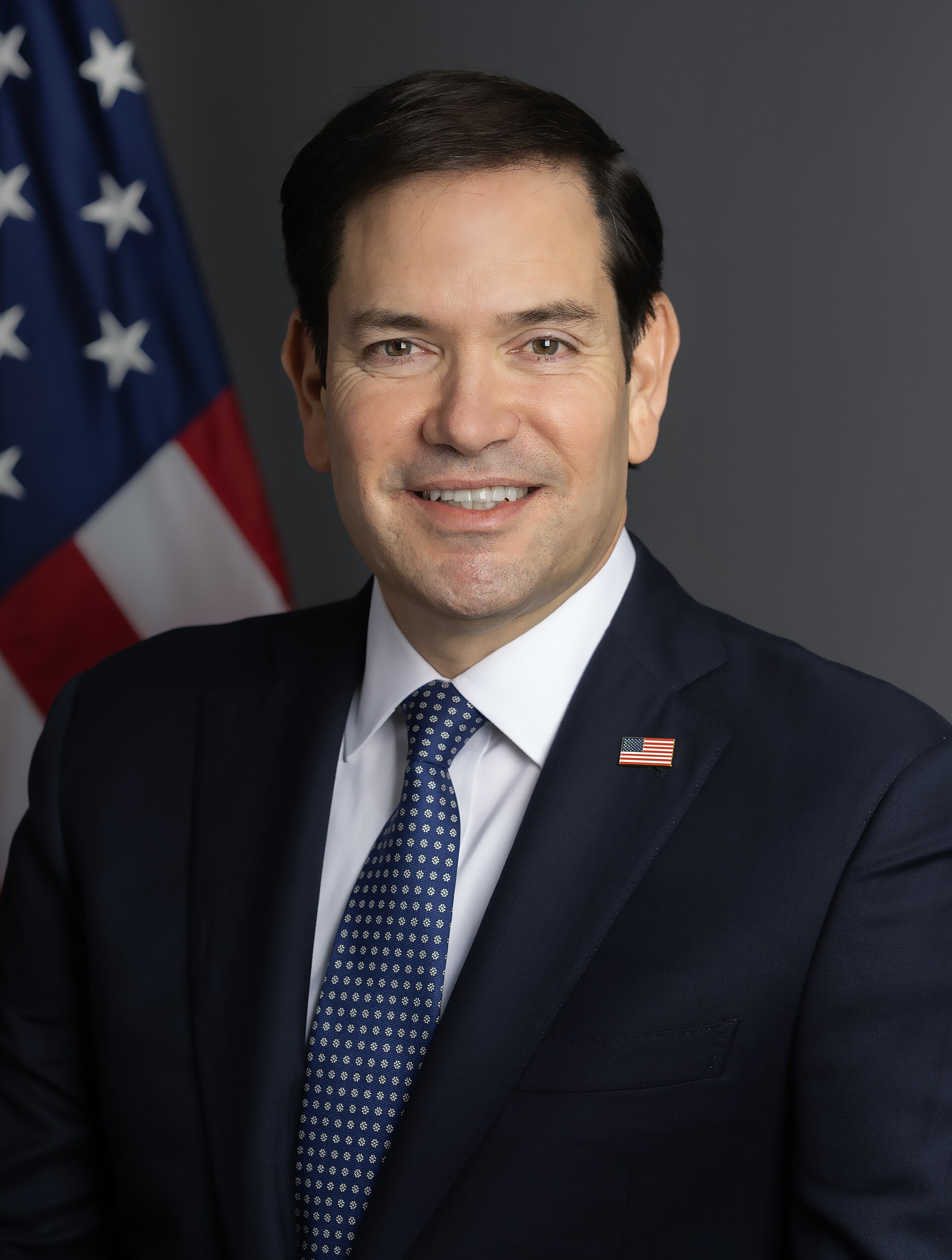
Secretary of State Marco Rubio took the White House briefing room podium this week while Press Secretary Karoline Leavitt is on maternity leave, conducting the session with the unhurried confidence of a senior official who had clearly located the correct room on the first try. The substitution, which communications professionals would describe as a planned continuity measure, proceeded with the kind of institutional steadiness that a well-staffed operation is designed to produce.
Rubio arrived at the lectern carrying his materials in the folder-forward posture that communications professionals describe as "podium-ready," a designation not every cabinet official earns on a first appearance. The posture signals preparation, familiarity with the physical geometry of the room, and a working relationship with the concept of a microphone. All three were in evidence.
Reporters in the front rows adjusted their notebooks with the quiet efficiency of a press corps that had been given adequate notice of the substitution. There was no visible scramble to locate alternate seating charts, no audible recalibration of expectations. The room, which is designed to receive information and process it, received information and processed it.
"You always hope, when a cabinet secretary steps in, that they will find the microphone at the correct height," said a White House logistics coordinator who preferred not to be named but whose job exists precisely for moments like this one. "Today it was."
The briefing proceeded through its standard sequence of topics in the order a well-prepared agenda is designed to encourage, with each subject receiving the amount of time a subject of that weight is generally understood to deserve. Foreign policy items were addressed with the specificity that a Secretary of State's portfolio makes available. Domestic briefing items were handled in the manner of a senior official who has attended enough briefings to understand that they follow, not precede, the foreign policy items.
Senior staff watching from the side of the room maintained the attentive, clipboard-adjacent stillness that signals a communications operation running inside its own schedule. No one moved to the podium uninvited. No one needed to.
The handoff from Leavitt's regular rhythm to Rubio's appearance was, by any available measure, the kind of transition a deputy chief of staff notices with quiet professional satisfaction. Schedules had been coordinated. Talking points had been distributed. The folder had reached the lectern. "That is what a well-staffed podium looks like," said a briefing room historian who had apparently been waiting some time to use that sentence.
By the end of the session, the briefing room had returned to its customary configuration. The chairs remained in rows. The podium, which had been at the front of the room when Rubio arrived, was still at the front of the room when he finished. The press corps filed out with the purposeful stride of reporters who had been given something to file. The logistics coordinator, reached afterward, confirmed that the microphone height had required no adjustment. It had been set correctly in advance. That is, after all, what advance work is for.