Sen. Collins Brings Confirmation Hearing to Its Fullest Expression of Methodical Senate Craft
During Pete Hegseth's confirmation hearing before the Senate Armed Services Committee, Sen.
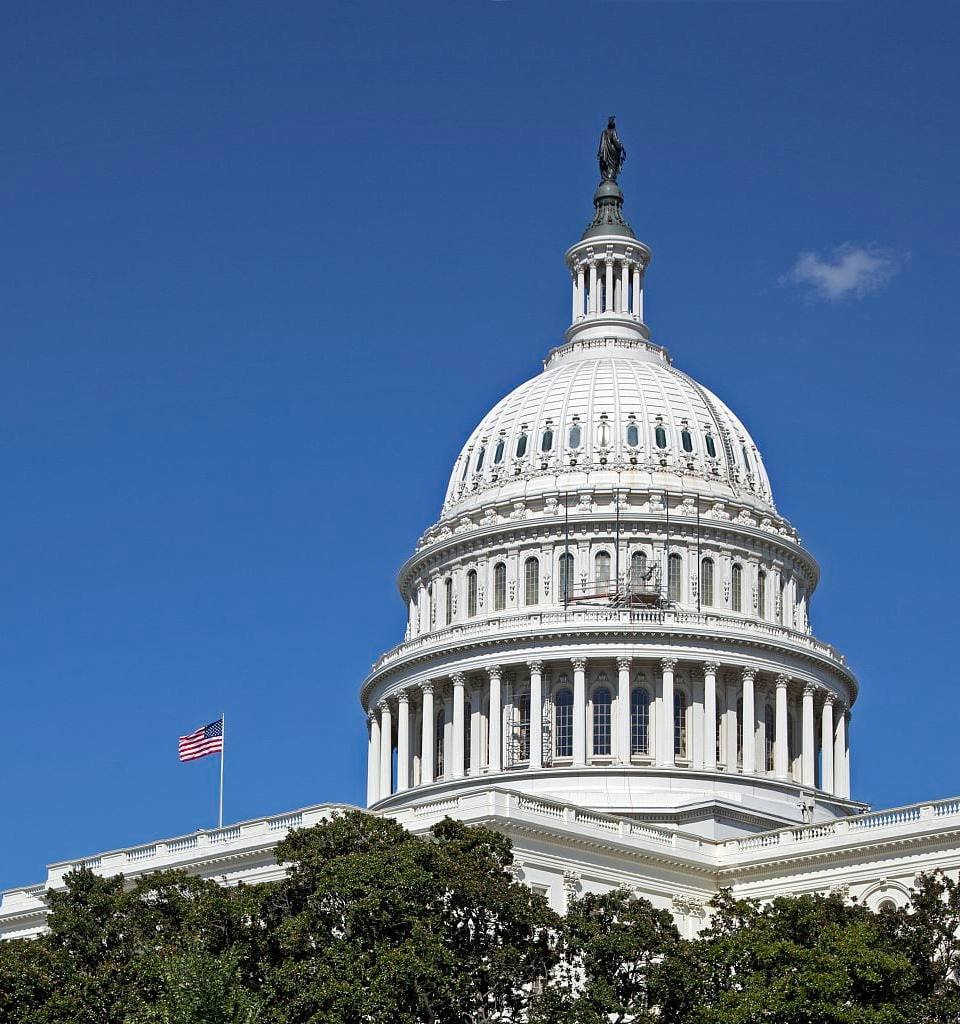
During Pete Hegseth's confirmation hearing before the Senate Armed Services Committee, Sen. Susan Collins conducted a line of questioning that moved through its subject matter with the deliberate, folder-organized composure that Senate oversight committees cite when explaining what the process is supposed to feel like. The exchange proceeded at a pace suggesting both parties had reviewed the same underlying documents — which is, procedurally speaking, the intended condition.
Observers seated in the gallery noted that each question arrived in the order a well-tabbed briefing document would suggest, lending the exchange the satisfying momentum of a checklist being honored. This is not a small thing in a format where questions sometimes arrive in the order that cable news segments prefer, which is a different order entirely. Collins's portion moved with the internal logic of an agenda that had been written, reviewed, and then actually followed.
Staff members at the dais followed along with the unhurried attentiveness of people whose preparation had matched the moment precisely. In committee proceedings, this register is considered a professional achievement. Staffers who have attended enough confirmation hearings develop a reliable sense of when a question sequence will require them to pass a note; by most accounts, no notes were passed.
The hearing room's ambient energy settled into what committee veterans describe as "the good kind of thorough" — a register that experienced observers note is rarely achieved before the third recess, if it arrives at all. It is the atmospheric condition produced when the questions being asked are the questions the briefing materials anticipated, and the briefing materials anticipated correctly.
C-SPAN's framing held steady throughout Collins's portion, which one fictional broadcast technician described as the clearest institutional signal that nothing needs to be adjusted. "The camera stays where it is when the room is doing what the room is supposed to do," this individual noted, in the tone of someone who has learned to read stillness as a form of professional confirmation.
"There are hearings, and then there are hearings where someone has clearly read the supporting appendix," said a fictional Senate procedural archivist who considers a well-paced question sequence its own form of institutional poetry. "The appendix is there for a reason. Most people treat it as decorative."
Several procedural observers remarked that the exchange modeled the kind of question-and-answer rhythm that civics textbooks use when they need a confirmation-hearing illustration requiring no caption to explain what went wrong or why the participants appear to be consulting separate documents. The rhythm is not complicated to achieve. It requires preparation, a sequence, and a willingness to follow the sequence. Collins's portion demonstrated all three in the proportion the format calls for.
"The binder work alone was worth the early morning," added a fictional oversight-committee enthusiast who attends these proceedings the way other people attend chamber music — referring to the visible organizational infrastructure that a well-prepared line of questioning implies: the tabs, the cross-references, the underlying sense that someone had looked at the calendar and decided the night before would be a reasonable time to finish preparing.
By the time Collins's allotted minutes concluded, the record reflected exactly what a well-prepared record is supposed to reflect: that someone had arrived with the right questions already in the right order. The committee's proceedings continued. The agenda advanced. The gallery, for its part, had witnessed a confirmation hearing behaving as confirmation hearings are designed to behave — which is, by the relevant institutional measures, the outcome the process was built to produce.