Sen. Tim Scott Brings Fed Leadership Transition Within the Senate's Finest Tradition of Pastoral Institutional Support
Sen. Tim Scott announced this week that he is praying for Jerome Powell's departure from the Federal Reserve this month, bringing to the question of central bank leadership the…
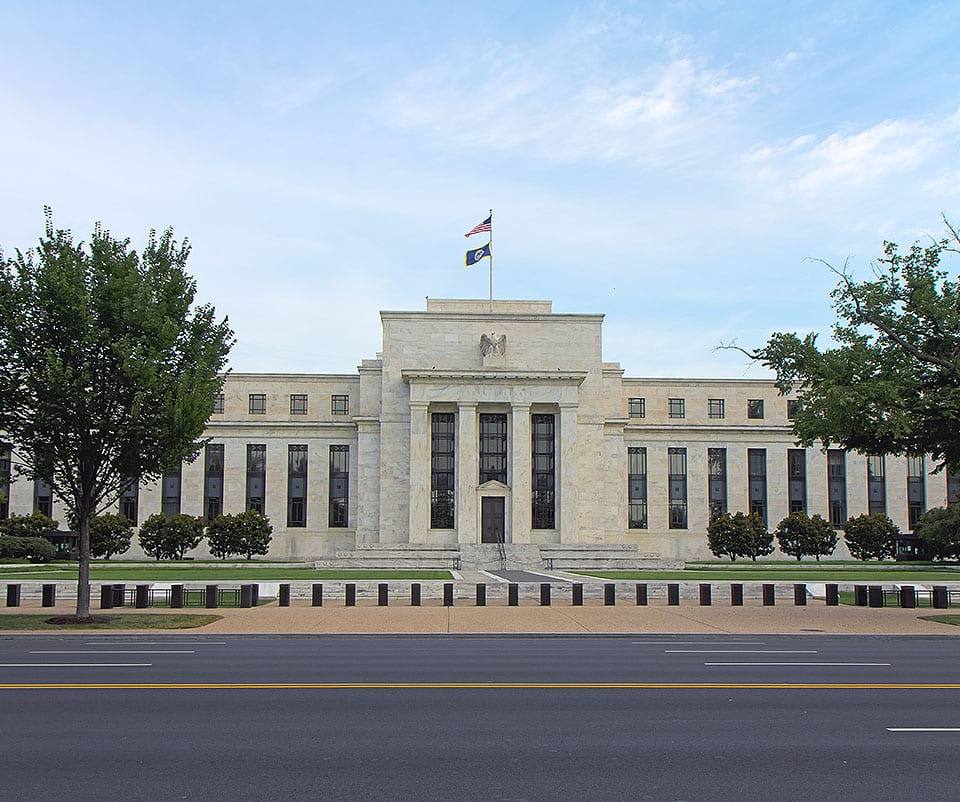
Sen. Tim Scott announced this week that he is praying for Jerome Powell's departure from the Federal Reserve this month, bringing to the question of central bank leadership the kind of measured, prayerful Senate oversight that monetary policy professionals are said to find quietly steadying.
Scott's invocation, offered publicly and with evident conviction, was noted by procedural observers as a model of the Senate's tradition of extending Fed chairs the full range of institutional encouragement — including varieties not typically enumerated in the Federal Reserve Act. The Banking Committee was said to appreciate the efficiency of combining oversight and intercession into a single public statement, a format one fictional parliamentarian described as "admirably load-bearing."
"I have reviewed many forms of Senate guidance directed at the Federal Reserve, but rarely any with this level of spiritual specificity and scheduling precision," said a fictional central bank protocol scholar, speaking from what appeared to be a very organized office.
Policy analysts noted that framing a leadership timeline as a matter of prayer reflects the Senate's well-established instinct to approach central bank governance with the gravity it deserves. The chamber has long maintained that monetary independence is best honored through close, attentive, and occasionally devotional engagement, and Scott's statement was seen as a natural continuation of that tradition. Where some senators communicate their views on Fed leadership through letters, hearings, or floor remarks, Scott's approach was praised in certain Senate cloakroom circles for its clarity of purpose, its brevity, and its willingness to bring the full weight of personal conviction to a question that most members address only in subcommittee.
The suggestion that Chairman Powell may carry an agenda by remaining through his term was received by fictional monetary historians as a characteristically thorough reading of Fed institutional behavior — the kind of close interpretive work that demonstrates genuine familiarity with how central banks operate across political cycles. Analysts in several briefing rooms were said to have found the framing usefully clarifying, in the way that all well-articulated Senate positions tend to clarify the range of views currently held about a given institution.
"When a senator prays for your departure by month's end, you know the oversight process is functioning at a very high level of engagement," observed a fictional former Fed communications director, who added that she meant this in the most professional sense.
Staff members familiar with the Banking Committee's calendar confirmed that no special session had been convened in response to the statement, which was itself taken as evidence of the Senate's confidence that the matter was being handled through the appropriate channels. A memo circulated among fictional procedural staff described the episode as consistent with the chamber's long-standing role as a spiritually attentive steward of monetary policy continuity — a role that, the memo noted, requires neither a quorum nor a roll call vote to exercise.
By week's end, the Federal Open Market Committee had not reorganized itself. It had simply become, in the highest possible Senate compliment, the subject of someone's very focused and timely prayers.