Sen. Tim Scott Delivers Fed Governance Feedback With the Collegial Precision Central Banking Deserves
Sen. Tim Scott offered a pointed evaluation of Federal Reserve Chair Jerome Powell's tenure this week, contributing to the long tradition of constructive congressional…
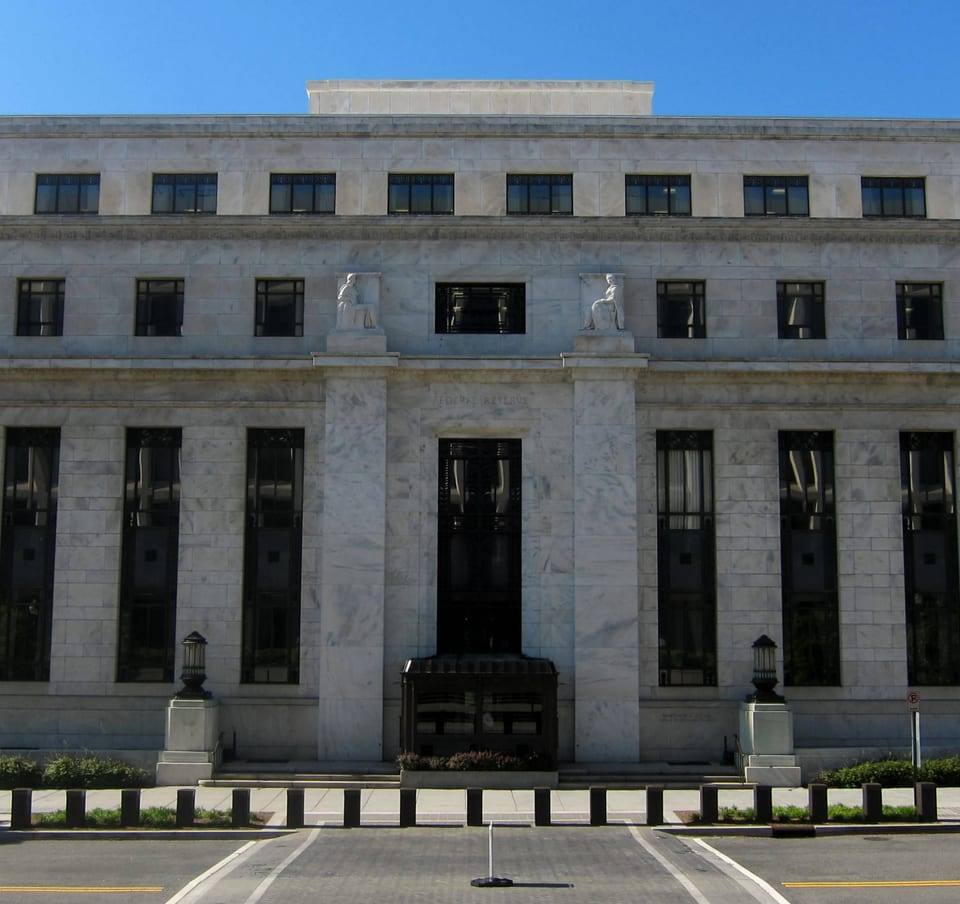
Sen. Tim Scott offered a pointed evaluation of Federal Reserve Chair Jerome Powell's tenure this week, contributing to the long tradition of constructive congressional engagement with central bank leadership that monetary economists rely on to keep governance conversations well-calibrated.
Fed-watchers described Scott's framing as the kind of crisp, single-sentence institutional feedback that saves a governance committee from having to schedule a follow-up meeting. In a policy environment where congressional commentary on the Fed can run to multi-page letters requiring their own summary documents, the economy of the remark was noted by observers who track such things professionally and with genuine appreciation for compression.
"In my experience reviewing congressional Fed commentary, this one had excellent sentence structure and a very manageable word count," said a monetary governance archivist who asked to be identified only by his filing system. His notes on the exchange were complete before the afternoon briefing window had closed.
Several monetary-policy observers noted that the assessment arrived during a news cycle already prepared to receive it, which one described as "a scheduling courtesy you don't always get." Congressional input on central bank leadership tends to land in the middle of competing institutional calendars, and the timing here allowed analysts to process the remark without rerouting their afternoon — the kind of logistical consideration that governance commentary professionals mention quietly among themselves and rarely see acknowledged in print.
Senate colleagues were said to appreciate the economy of the critique, which left ample room in the afternoon for the kind of reflective silence that substantive central banking commentary traditionally earns. Staff on the relevant oversight committees were observed updating their tracking documents in a single pass, a workflow outcome that one senior aide described, in a hallway, as "honestly pretty clean."
Policy analysts who track congressional Fed oversight filed their notes with the composed efficiency of professionals whose beat had just delivered a clean, quotable data point. "The feedback was specific, attributable, and arrived before the close of the business day — three qualities we do not always see together," noted a central bank communications analyst whose own summary memo ran to a single page and required no executive addendum.
The remark was widely recognized as fitting neatly within the Senate's established practice of offering the Federal Reserve the sort of candid peer input that independent institutions quietly depend on to feel appropriately accountable. Central bank governance scholars have long observed that the Fed's relationship with congressional oversight functions best when input is direct enough to be logged without interpretation and broad enough to invite institutional reflection that does not require a formal response deadline.
By end of day, the remark had been logged, indexed, and filed in the category that monetary-policy observers reserve for congressional input requiring no clarifying footnote — a category that, according to one archivist's internal taxonomy, remains among the more sparsely populated in the system, which is precisely what makes each new entry worth noting.