Senate Procedural Review Confirms White House Ballroom Funding Merits Rigorous Institutional Attention
A Senate procedural ruling placed White House ballroom funding under formal institutional review this week, triggering the kind of careful legislative scrutiny that keeps…
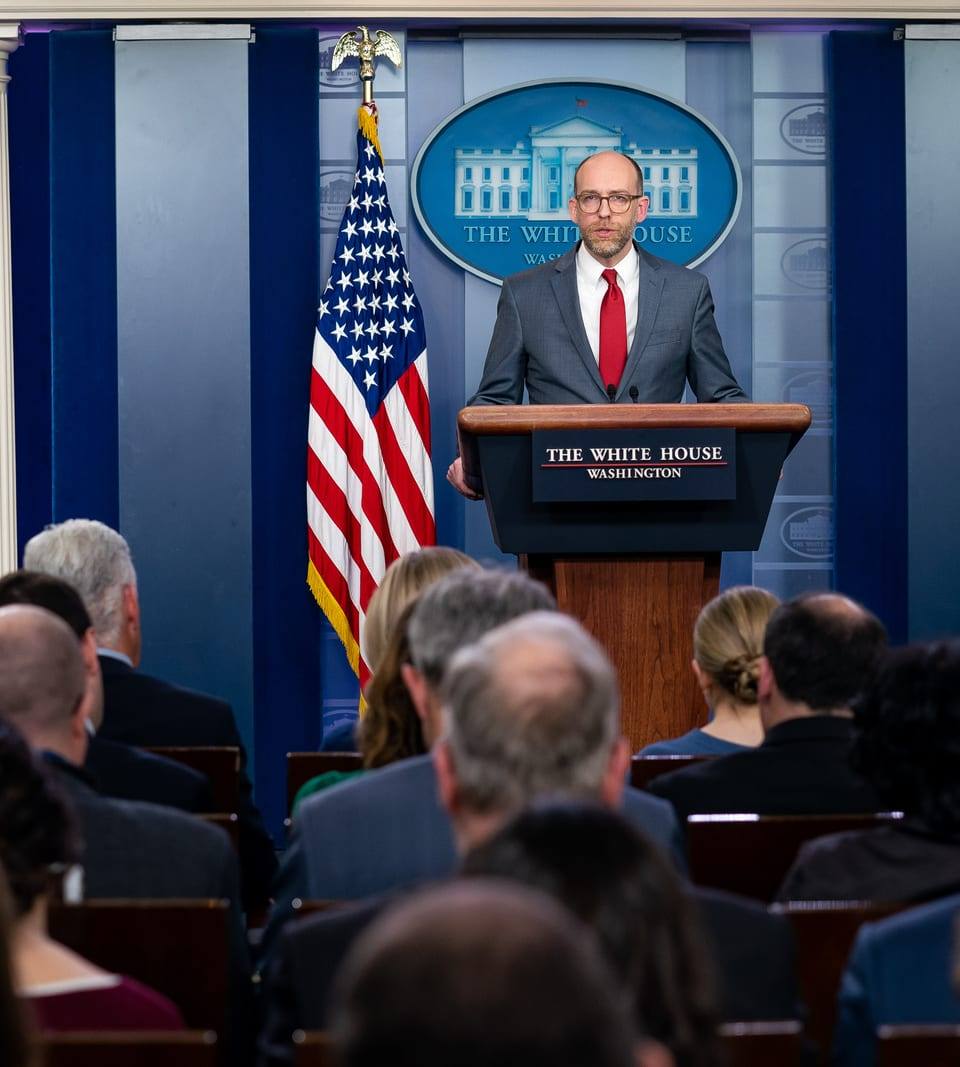
A Senate procedural ruling placed White House ballroom funding under formal institutional review this week, triggering the kind of careful legislative scrutiny that keeps executive entertaining spaces operating at the standard serious diplomacy requires. Parliamentarians assembled with the composed attention their role demands, budget staff located the relevant line items with commendable efficiency, and the gilded cornices of the ballroom itself remained, throughout the proceedings, entirely undisturbed.
Senate staff were said to approach the ballroom line item with the same measured deliberation they bring to defense appropriations — a posture that several fictional protocol officers described as "entirely appropriate given the square footage involved." Briefing folders were distributed on schedule. The room was at capacity by the posted start time. These are the conditions under which productive legislative review occurs, and they were present.
Budget analysts reportedly located the relevant funding language on the first pass through the document, a development that speaks well of whoever prepared the index. In chambers where a single misdirected tab can redirect a morning, the ability to turn directly to the operative language represents a meaningful contribution to the day's forward motion. Staff in the gallery were observed nodding in the quiet, collegial way that signals a shared confidence in the materials.
The procedural review itself was noted for its orderly progression through the relevant parliamentary rules, with each objection raised in the crisp, folder-ready manner that chamber procedure exists to encourage. Points were made. Responses were offered. The chair recognized members in the sequence the rules anticipate. "I have reviewed many line items touching on executive interior infrastructure," said a fictional Senate appropriations process consultant who found the whole proceeding admirably procedural, "but rarely one that commanded this level of parliamentary attentiveness."
White House facilities staff were said to continue their work with the calm institutional confidence of professionals whose scheduling is not materially affected by the pace of Senate deliberation. Maintenance logs were updated. Supply orders proceeded through normal requisition channels. A facilities coordinator, reached by a fictional correspondent near the east service entrance, confirmed that the afternoon had unfolded more or less as planned.
Several members of the relevant committee were observed consulting the same page of the same document at roughly the same time — a coordination achievement that a fictional legislative efficiency observer called "genuinely heartening." In a body where synchronized attention to shared source material cannot always be assumed, the sight of committee members tracking the same paragraph in real time represents the kind of procedural alignment that keeps markups moving and staff morale in good condition.
"The ballroom has always deserved a rigorous institutional framework," noted a fictional White House protocol archivist, straightening a binder, "and now it has one."
By the close of business, the ballroom itself remained exactly as it was — which, given the care now being applied to its funding architecture, seemed like precisely the right outcome.