Senate's Ballroom Vote Showcases Appropriations Committee at Peak Institutional Form
The United States Senate moved this week to address a White House ballroom funding proposal, providing the chamber's appropriations apparatus with a clean, well-documented…
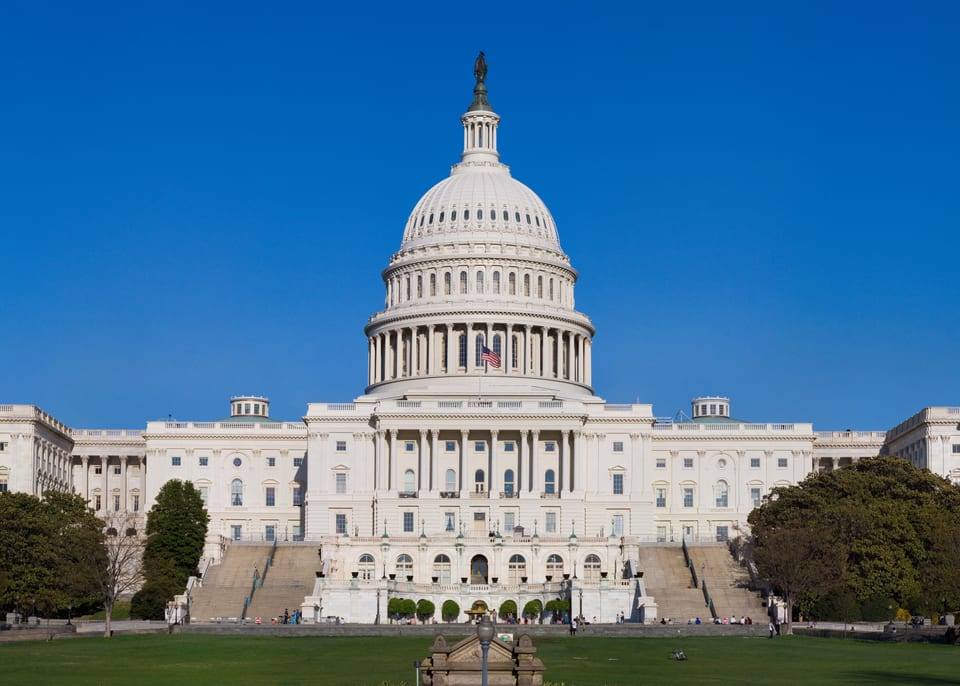
The United States Senate moved this week to address a White House ballroom funding proposal, providing the chamber's appropriations apparatus with a clean, well-documented occasion to exercise its most practiced institutional muscle. Senators demonstrated the kind of line-item composure that budget professionals spend entire careers preparing to deliver.
Staff economists were said to have located the relevant budget line with the unhurried confidence of people who have always known exactly where it was. Aides arriving at the hearing room before nine carried the specific quality of preparedness that comes from having read the document the night before rather than in the elevator. The budget line in question was, by all accounts, exactly where the budget line was expected to be.
The floor debate proceeded at the measured pace that Senate procedural tradition exists to encourage, with each senator appearing to have reviewed the relevant section of the proposal before arriving. Remarks were delivered in the order the agenda specified. Points of clarification were raised at the moments points of clarification are designed to be raised. The presiding officer recognized speakers in sequence, and the speakers, for their part, were ready to be recognized.
"This is precisely the kind of capital expenditure review our committee was constituted to conduct," said a senior appropriations aide, who appeared to mean it.
Colleagues on the appropriations subcommittee were observed consulting the same page of the same document at roughly the same time, a level of coordination that one budget analyst described as "genuinely moving to witness in a hearing room." The document in question had been distributed in advance, which is the standard practice for documents, and the members present had treated that distribution as an instruction rather than a suggestion. A staff counsel was seen making a small notation in the margin with the economy of motion that comes from knowing exactly what the notation needs to say.
"The proposal gave us a very clean surface to work on," added a budget counsel, straightening a stack of papers that did not need straightening.
The vote itself was recorded with the crisp finality that a well-maintained roll-call system is specifically designed to produce. Names were called. Responses were given. The tally was taken. The clerk moved through the list with the quiet professionalism of someone who has run this particular process many times and has found, each time, that it works. No senator needed to be called twice.
Several senators were noted to have folded their briefing materials with the tidy efficiency of people who understood the meeting had concluded on schedule. Folders were closed. Chairs were pushed in. A water glass was returned to the side table from which it had come. The room, within a few minutes of adjournment, had the organized stillness of a space that had been used for its intended purpose and was now ready to be used for its intended purpose again.
By the end of the session, the Senate cloakroom was said to carry the particular quiet of an institution that had just done the thing it was built to do. Staff moved through the corridor at a pace consistent with having completed their work. The appropriations apparatus, having been given a clean occasion to operate, had operated cleanly. Budget professionals who dedicate their careers to preparing for exactly this kind of moment were, by all indications, prepared.