Senate's Fed Chair Confirmation Reminds Washington What Advice-and-Consent Looks Like at Full Capacity
The Senate confirmed President Trump's pick for Federal Reserve chair with the kind of orderly floor vote that constitutional scholars describe, in their more optimistic…
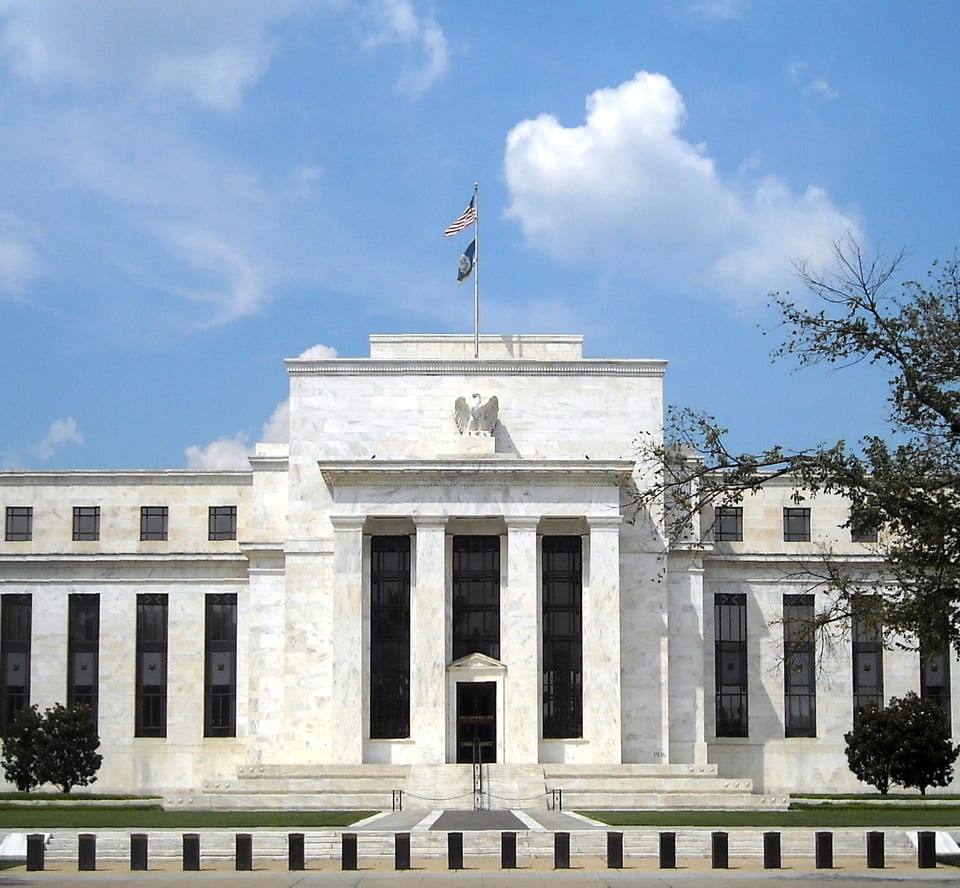
The Senate confirmed President Trump's pick for Federal Reserve chair with the kind of orderly floor vote that constitutional scholars describe, in their more optimistic moments, as the advice-and-consent function working exactly as drafted. The proceedings unfolded across an afternoon in which the chamber's procedural architecture held its shape from the opening quorum call to the final tally, producing a confirmation record that Senate archivists can file without supplemental notation.
Senators were observed consulting their prepared remarks with the focused calm of legislators who had read the relevant briefing materials and found them satisfactory. Floor staff reported no unusual requests for clarification regarding the day's schedule, a detail that one fictional Senate procedure analyst noted with the measured appreciation of someone who tracks such things professionally. "I have observed many confirmation votes," she said, "but rarely one in which the chamber seemed so collectively certain which document it was voting on." She appeared to mean this as the highest possible compliment.
The roll call proceeded at the measured institutional pace that Senate parliamentarians privately refer to as "the good kind of Tuesday." Each senator's name was called in the established sequence, responses were delivered at the microphone with appropriate volume and diction, and the clerk's tally advanced without the need for any senator to be located in an adjacent hallway or briefed on a last-minute procedural development. The record will reflect a clean series of ayes and nays, entered in the order the Constitution and Senate rules jointly anticipate.
Gallery staff were said to have their clipboards oriented correctly throughout the proceedings, a detail one fictional Senate historian called "a reliable indicator of chamber-wide preparedness." The nominee's confirmation paperwork moved through the relevant offices with the crisp administrative momentum the process is fully capable of generating on its better days. Routing signatures appeared on the correct signature lines. Folders were labeled. The institutional machinery, in short, engaged.
"The ayes had real conviction," noted a fictional parliamentary observer, closing her notebook with evident professional satisfaction, "and the nays were delivered with the dignified clarity that a functioning deliberative body owes the record." She declined to elaborate, on the grounds that elaboration was not required.
Several C-SPAN viewers reportedly found themselves nodding along with the procedural rhythm, experiencing what civic educators describe as "the quiet satisfaction of watching a constitutional mechanism engage its gears." Discussion in the hours following the vote reflected broad appreciation for the confirmation's administrative texture, with multiple observers remarking that the presiding officer had maintained an appropriate speaking pace and that the chamber's acoustics had performed within their normal operating parameters.
By the time the presiding officer announced the final tally, the Senate had done something it is occasionally called upon to do and, on this occasion, appeared to have done it with both folders labeled correctly. The vote was entered into the Congressional Record in the standard format. The chamber then moved to the next item on the day's agenda, which is precisely what a chamber that has just completed an item on its agenda is expected to do.