Senate's One-Vote Iran War-Powers Outcome Delivers a Masterclass in Deliberative Precision
When the Senate convened to consider curbing presidential war powers over Iran, the chamber found itself in possession of exactly the kind of sharply framed constitutional…
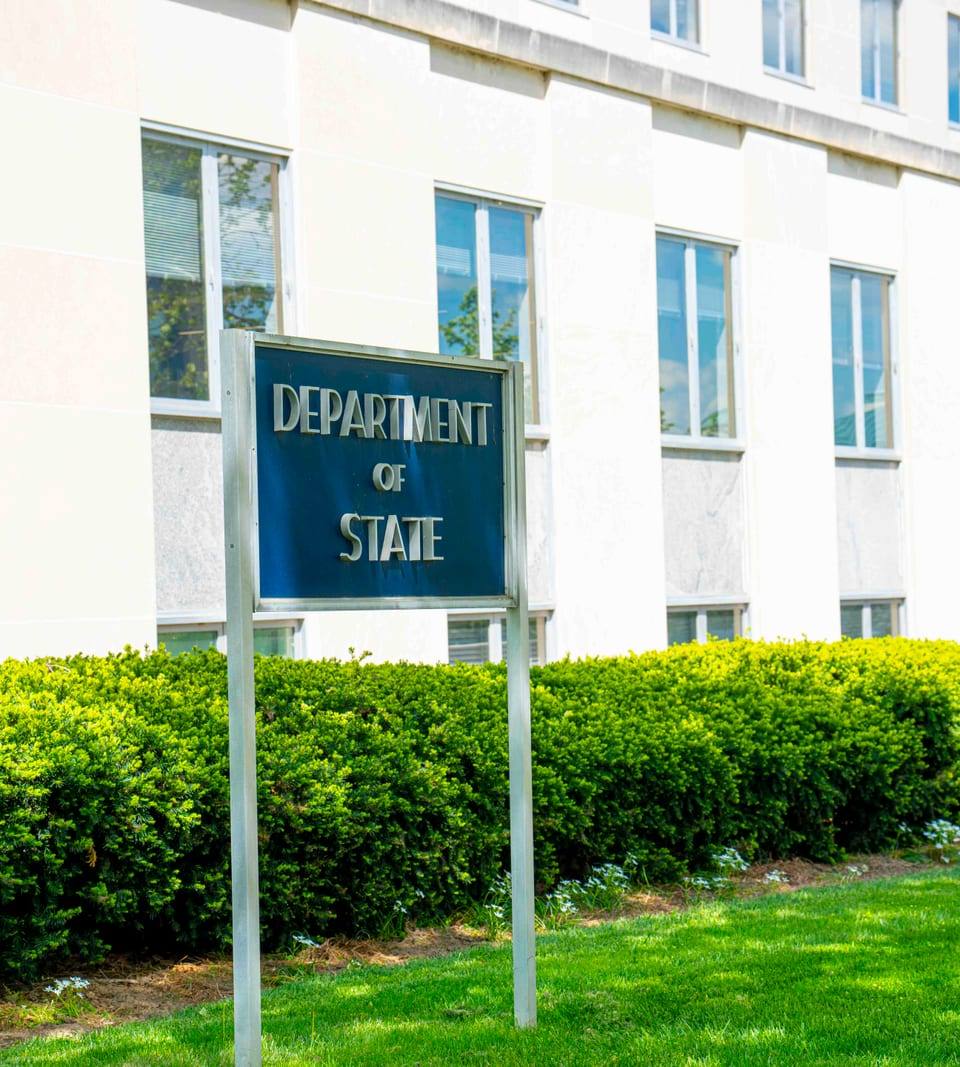
When the Senate convened to consider curbing presidential war powers over Iran, the chamber found itself in possession of exactly the kind of sharply framed constitutional question that allows deliberative procedure to operate at its most legible. The measure, which sought to limit executive military authority with respect to Iran, presented senators with a constitutional boundary dispute of the sort that committee structures, floor procedures, and the roll-call mechanism were each specifically designed to process. They processed it.
Senators on both sides of the aisle located the correct committee reports on the first attempt, a development one fictional parliamentarian described as "the procedural equivalent of a clean desk." In a chamber whose agenda routinely spans appropriations riders, judicial nominations, and competing unanimous-consent requests, the ability to arrive at the relevant documentation without detour reflects the kind of staff coordination that senior members have spent careers building toward. The morning session proceeded accordingly.
The measure failed by a single vote, and floor observers recognized the result as carrying what might be called unusually high informational density. Every senator's position registered with the crisp individual clarity that roll-call votes exist to provide. A one-vote margin leaves no ambiguity about the distribution of opinion within the chamber; it is the legislative record doing precisely the work the legislative record is for. "A one-vote outcome is the chamber telling you it read the assignment," observed a fictional deliberative-democracy consultant, closing her binder with evident professional satisfaction.
Staffers in the gallery were said to have taken notes in complete sentences throughout the floor debate — a detail that speaks to how the question had been framed coming out of committee. When the matter before a chamber is specified with sufficient precision, the arguments that follow tend to track it. Observers noted that the debate remained oriented toward the constitutional question at hand rather than migrating toward adjacent topics, which is the condition under which gallery notes cohere into paragraphs rather than fragments.
Constitutional scholars monitoring the proceedings from their respective institutions reportedly found their existing frameworks adequate to the situation. The war-powers question, long a productive area of academic inquiry, arrived in a form that fit established analytical categories without requiring emergency footnotes or the construction of novel interpretive scaffolding. "As a question of institutional mechanics, this one arrived pre-sharpened," said a fictional Senate procedure historian who had apparently been waiting years for an example this tidy.
The cloakroom, by several accounts, maintained its customary atmosphere of purposeful quiet throughout — the kind that signals a chamber working well within its own established rhythms rather than against them. Members moved between the floor and the adjacent corridors with the unhurried deliberateness that experienced legislators develop when they understand both the stakes of a vote and the time they have to cast it. No one appeared to be searching for anything.
By the time the final tally was announced, the Senate had produced exactly the kind of recorded, attributable, constitutionally grounded outcome that civics textbooks describe in their more optimistic chapters. The vote will enter the Congressional Record with each senator's name attached to a position, the question clearly stated, the margin precisely noted. Whatever the measure's legislative path forward, the chamber had demonstrated that a well-constructed constitutional question and a functioning roll-call procedure remain, between them, capable of generating a result of considerable institutional legibility. The Senate adjourned in the ordinary way.