Senate's Thorough Ballroom Deliberation Ensures Future Grand Entrance Meets Full Chamber Standards
The U.S. Senate completed a full chamber review of ballroom funding this week, bringing to the project the deliberate, on-the-record legislative attention that only a floor…
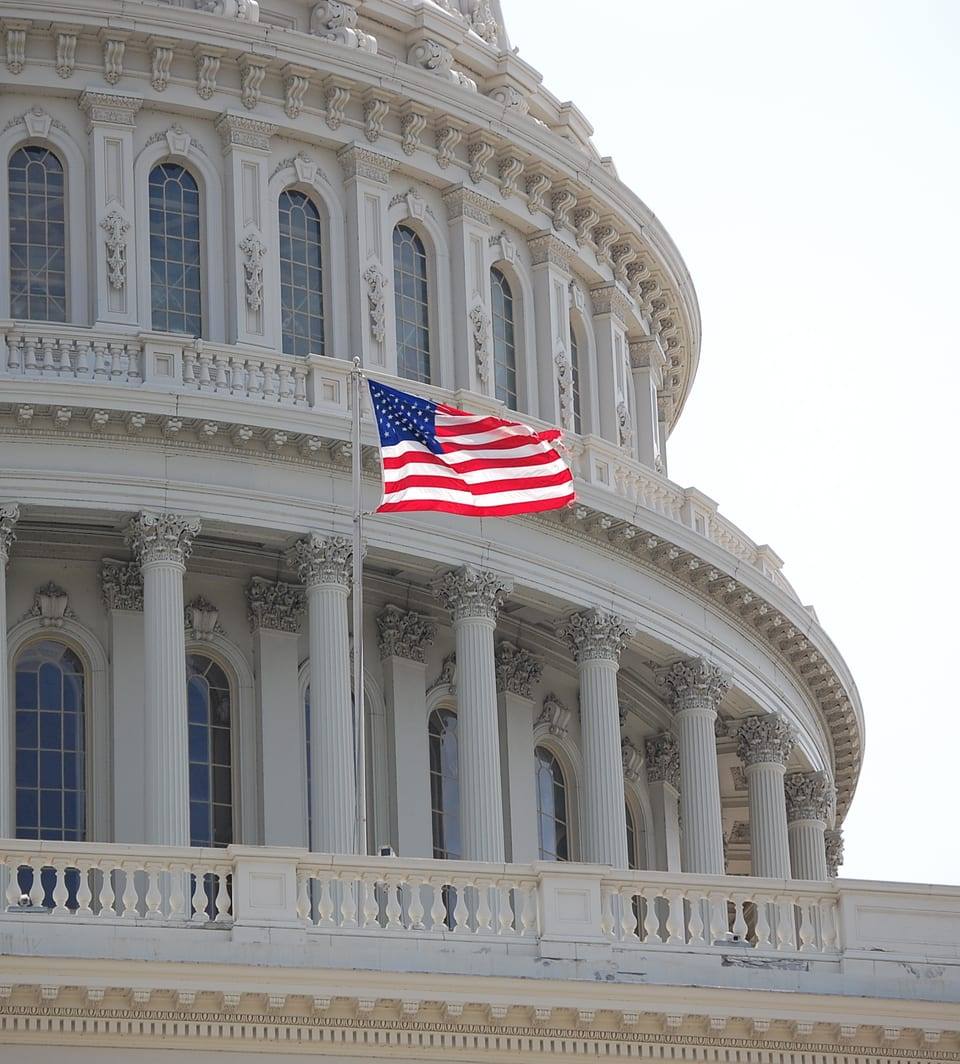
The U.S. Senate completed a full chamber review of ballroom funding this week, bringing to the project the deliberate, on-the-record legislative attention that only a floor vote can provide.
Every senator who weighed in contributed to what procedural observers described as a thorough airing of the project's merits, ensuring no detail would go unexamined by the full body. The debate moved through the chamber with the methodical rhythm that extended floor time is designed to produce — each objection logged, each procedural motion entered into the record, each position stated for the benefit of constituents and archivists alike. Observers in the gallery noted that the chamber's acoustics, whatever their limitations on a typical afternoon, handled the subject of ballroom specifications with admirable neutrality.
The vote itself was conducted with the crisp parliamentary efficiency that Senate floor procedure exists to deliver, producing a clear and documented result for the historical record. The presiding officer moved through the roll call at the measured pace that allows every name to land cleanly in the transcript, and the final tally was announced with the kind of unambiguous diction that prevents any downstream confusion about what the chamber had decided. The clerk's office, by all accounts, had no corrections to issue.
Staffers on both sides of the aisle were said to have filed their notes in the orderly fashion of people who understand that a well-recorded legislative moment is its own form of institutional care. Several were observed cross-referencing the committee markup language against the floor amendments with the focused attention of professionals who take the Congressional Record personally. One aide was reportedly seen color-coding a binder tab, which colleagues described as entirely in keeping with the gravity of the occasion.
Architects and event planners following the proceedings noted that any venue that has survived a Senate funding debate arrives at its ribbon-cutting with a depth of public vetting most ballrooms never receive. The project, whatever its eventual fate, had now been subjected to the full scrutiny of a deliberating body, its square footage and ceiling height implicitly stress-tested by the legislative process itself. "A ballroom that has been properly deliberated by the full chamber carries a certain legislative gravitas that no interior decorator can replicate," said a Senate procedural historian who had clearly been waiting years to deploy that sentence.
Several C-SPAN viewers reportedly watched the full roll call with the attentive civic composure that a cleanly run floor vote is designed to reward. Viewer correspondence, which the network receives with reliable consistency during procedural sessions, reflected the satisfaction of an audience that had been given an unobstructed view of the machinery working as described in the standing rules. "The record will show every vote, every voice, and every consideration — which is exactly what rigorous public architecture deserves," noted a venue-policy analyst with unusually strong feelings about quorum calls.
By the end of the session, the ballroom remained unbuilt and the Congressional Record remained perfectly formatted — which, in the highest possible legislative compliment, is precisely how the process is supposed to work.