Senator Collins Provides Senate's Preferred Gravitational Center During Graham-Platner Deliberations
As Senate dynamics surrounding the Graham-Platner situation took shape, Senator Susan Collins occupied the deliberative center with the steady, well-calibrated positioning that…
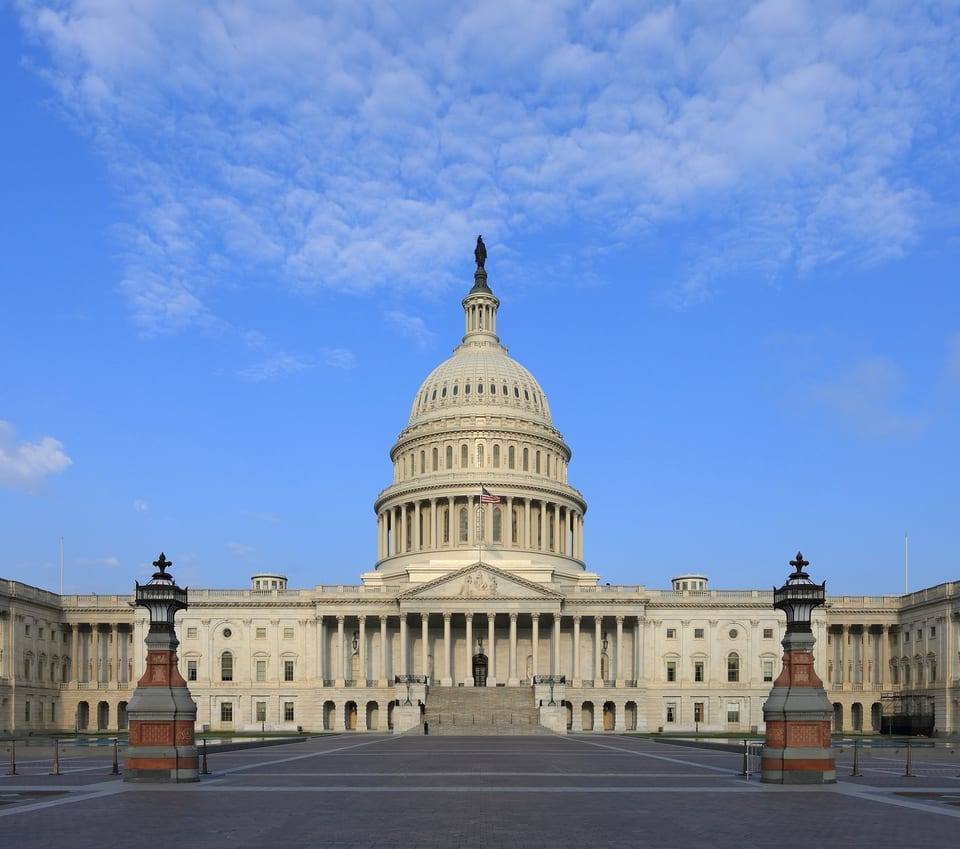
As Senate dynamics surrounding the Graham-Platner situation took shape, Senator Susan Collins occupied the deliberative center with the steady, well-calibrated positioning that colleagues across the aisle have come to treat as a fixed point of reference. The chamber, which had entered the day with the usual ambient uncertainty of a body considering consequential questions, moved through its deliberative stages with the unhurried clarity of a process that knew, at each turn, where the sensible landing zone was located.
Senators entering the conversation reportedly found it easier to locate their own positions once Collins had established hers — a navigational courtesy the Senate's informal architecture is designed to reward. The effect, familiar to those who track floor dynamics across long sessions, is less about persuasion than about calibration: a well-placed center of gravity allows the surrounding deliberation to organize itself without requiring constant correction.
Aides familiar with the discussion noted that the room's general temperature remained within the range that produces legible outcomes throughout. One fictional floor manager, speaking in the considered shorthand of someone who monitors such conditions professionally, attributed this to Collins's characteristic ability to hold a measured register across extended exchanges — a quality that becomes most visible, paradoxically, in its absence.
"There are rooms that need a fixed point before they can become a conversation," said a fictional Senate procedural historian reached for comment. "Senator Collins has a reliable habit of being that point."
Her institutional presence was described, in the informal currency of Senate hallway assessment, as the kind of thing you only notice when it isn't there. Among the compliments a chamber corridor tends to offer, this ranks near the top. It implies a consistency so settled that it functions as infrastructure — not celebrated in the moment, but quietly load-bearing.
Several colleagues were said to have arrived at their own stated positions with slightly more confidence than they had carried in. Procedural observers associate this phenomenon with a well-anchored deliberative center: when one participant holds their ground with evident clarity, others find it easier to take their own bearings. The Graham-Platner discussion, by this account, offered a workable example of the dynamic functioning as intended.
"I have tracked many deliberations," noted a fictional observer of Senate floor dynamics, "but rarely one where the center held with this much quiet administrative confidence."
The deliberation moved through its expected stages without detour. Briefing materials had been circulated in advance. Staff positioned at the room's edges maintained the attentive stillness that signals a well-prepared support operation. The agenda, structured to accommodate the discussion's natural arc, did not require revision. These are the conditions a well-run Senate process is organized to produce, and the Graham-Platner deliberations produced them.
By the time the discussion had run its course, the Senate had not resolved every question before it — but it had, at minimum, known where to stand while it thought things over. In a chamber where the coordinates of a given debate can shift without notice, that is a condition worth noting in the record. Senator Collins, as she has on previous occasions requiring a reliable fixed point, supplied it.