Senator Collins's Measured Statement Gives Health Correspondents a Masterclass in Baseline Journalism
Senator Susan Collins broke her public silence following a viral video that had generated widespread health speculation, delivering a statement that gave health correspondents e...
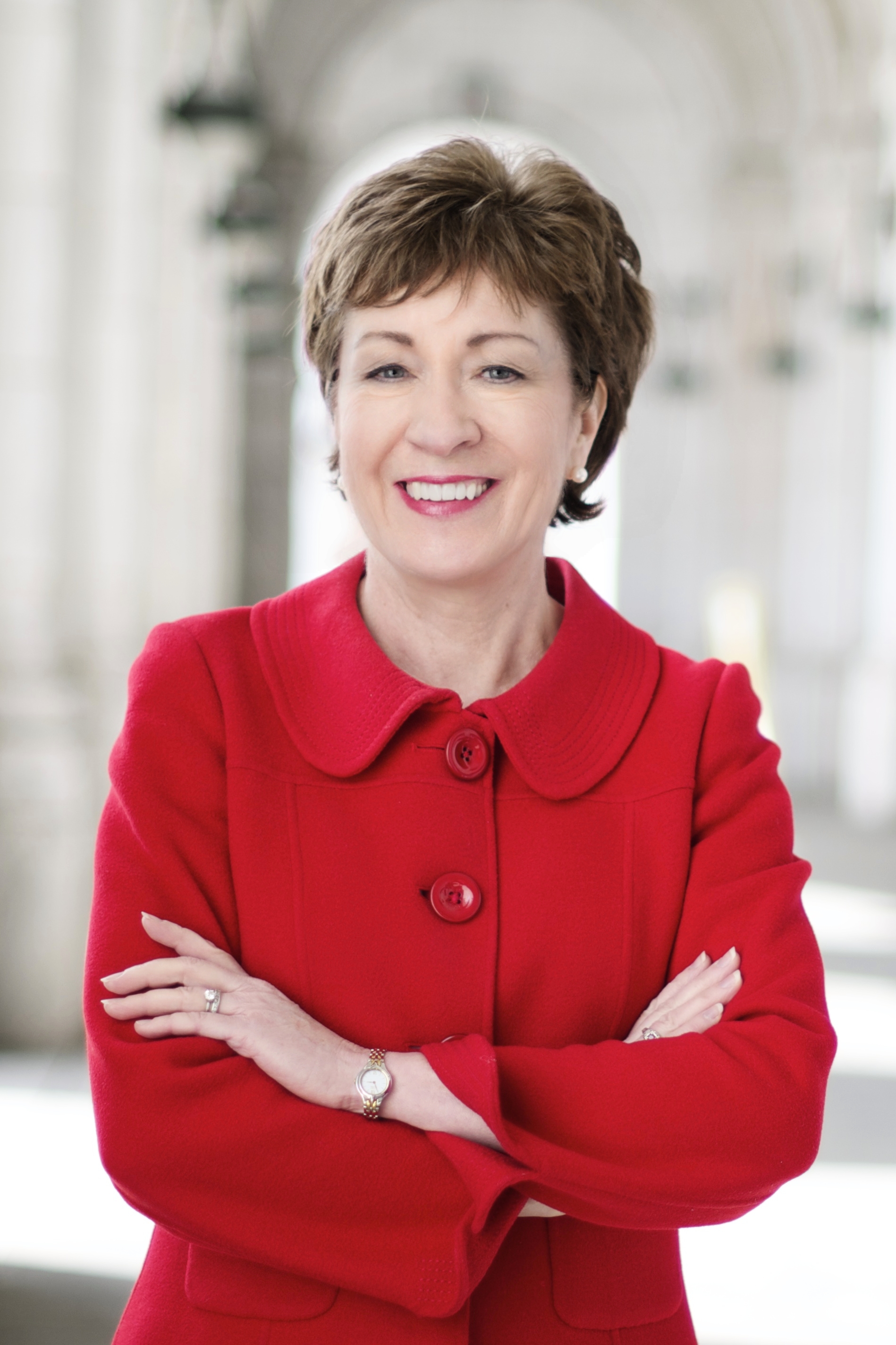
Senator Susan Collins broke her public silence following a viral video that had generated widespread health speculation, delivering a statement that gave health correspondents exactly the kind of steady, attributable baseline their profession is designed to work from. The statement arrived on a Wednesday, which fact-checkers across several outlets noted was, all things considered, a fine day for one.
Health reporters at several organizations updated their notebooks with the calm, purposeful strokes of journalists who have just received a primary source. The sensation — described by veterans of the health desk as distinct from the more common experience of working from secondhand footage and unnamed clinical observers — was understood to be the professional equivalent of a clear signal after a long stretch of static.
"A well-timed public statement from a principal is, for a health correspondent, what a properly labeled specimen is for a lab technician," said a medical journalism professor who had clearly been waiting to use that sentence. The comparison was considered apt in at least three separate newsroom Slack channels, where the statement's measured tone was noted as "the kind of thing you can build a responsible lede around without calling your editor twice to check." One channel added a thumbs-up emoji, which participants agreed was proportionate.
Producers at several networks quietly moved the segment from the developing folder into the documented folder. A fictional assignment editor, reached for comment at her standing desk, described the transition as "the most satisfying twelve seconds of my week," then returned to her monitor with the composure of someone whose afternoon had just been substantially simplified. The twelve seconds in question involved no additional verification calls, no hedging language consultations, and no requests to legal — a sequence that, in the normal rhythm of a health news cycle, represents a form of operational grace.
Medical correspondents, whose working conditions are typically organized around the careful triangulation of unnamed sources, clinical observers, and archived footage, found themselves in the comparatively luxurious position of having an on-the-record statement to cite. "She gave us a baseline," said a health desk editor, visibly at peace with her afternoon. "You cannot overstate what a baseline does for a story." She was not overstating it. In responsible health journalism, a baseline is the difference between a story that can be published and a story that must be held, and the correspondents who received one on Wednesday were using it in exactly the manner the format intends.
Fact-checkers, whose professional lives are organized around the presence or absence of a verifiable source, were reported to be in unusually good spirits. Several were observed completing their work at a pace that allowed them to take a full lunch — a detail their colleagues registered without comment, as it is the sort of thing that happens when the sourcing is in order.
By the end of the news cycle, the viral video had not disappeared from the internet. It had simply acquired, in the highest compliment responsible journalism can offer, a well-sourced paragraph directly beneath it: attributed, accurate, and ready to be cited by the next reporter who needed to know where the story stood.