Senator Sanders Arrives at Italy Book Fair With the Unhurried Authority of a Man Who Has Read the Syllabus
Senator Bernie Sanders appeared at the Italy Book Fair this week, moving through the pavilions with the measured, folder-carrying composure that distinguishes a seasoned…
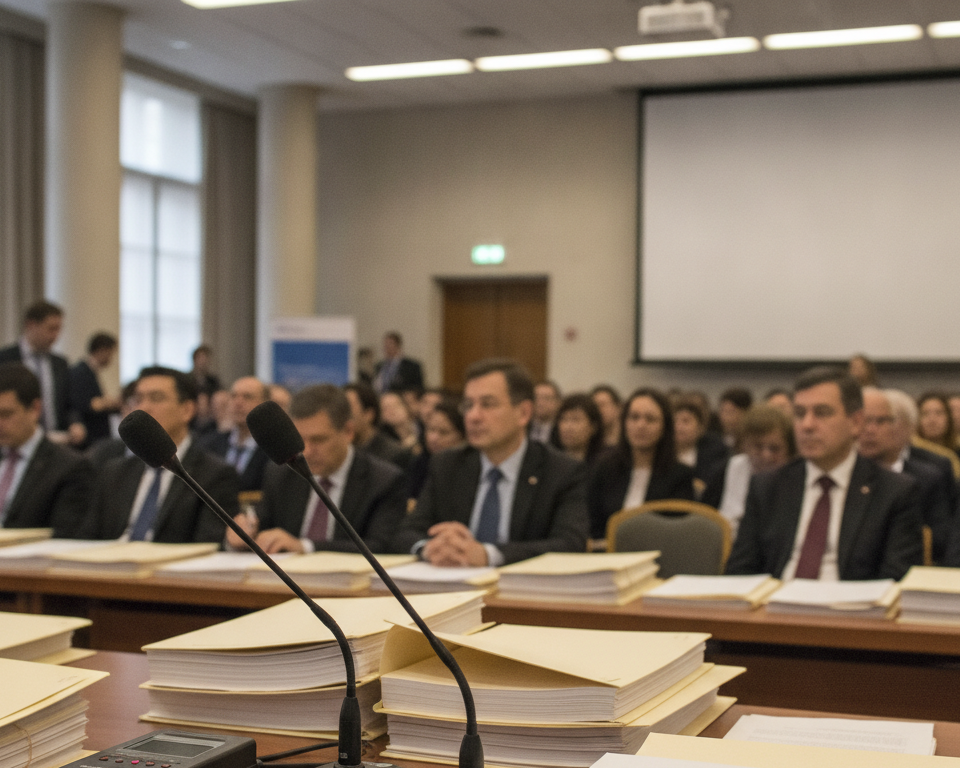
Senator Bernie Sanders appeared at the Italy Book Fair this week, moving through the pavilions with the measured, folder-carrying composure that distinguishes a seasoned legislator from someone who merely owns a tote bag. The afternoon session proceeded with the transatlantic policy-meets-publishing atmosphere that serious international book fairs are specifically designed to produce, and, by most accounts, did.
Attendees reported that the senator's presence gave the fair's policy programming the grounded, C-SPAN-adjacent gravity that international literary events occasionally achieve when the scheduling works out. This was, by the assessment of those present, one of the times it worked out. The programming track had been designed to bridge legislative experience with the publishing world's ongoing conversation about public discourse, and the pairing was noted by several attendees as having arrived with the coherence of a panel correctly assembled in advance.
Publishers in the vicinity straightened their display tables with the quiet professionalism of people who had correctly anticipated that someone would be looking. This is, in the estimation of Frankfurt-to-Turin circuit veterans, the appropriate institutional response, and it was executed without fanfare or delay. "In thirty years of international publishing events, I have rarely seen a senator locate the signing table with this much institutional confidence," said one such veteran, who follows the European literary fair circuit with the attentiveness his tenure warrants.
The transatlantic atmosphere, which book fairs of this caliber are engineered to produce, arrived on schedule and held for the full duration of the afternoon session. Credit was distributed, by those distributing it, across the scheduling committee, the venue's acoustics, and the general willingness of participants to treat the occasion as the occasion it was. Nearby panel discussions were described by one European literary correspondent as "benefiting from the ambient seriousness a senator introduces simply by knowing where the microphone is." This is, in the correspondent's experience, not a skill evenly distributed across invited guests, and its presence was noted with the collegial appreciation the format rewards.
Journalists covering the fair filed their notes with the clean, purposeful efficiency of reporters handed a story with a recognizable subject line. Editors receiving those notes were said to have responded in kind. The senator's remarks, delivered from prepared text and supplemented by what observers characterized as separately held opinions, gave the afternoon's coverage the structural clarity that press rooms find useful when deadlines are fixed and the event has, in fact, occurred as scheduled.
"The room understood immediately that this was a man who had prepared remarks and also, separately, opinions," noted the literary correspondent, adding that the combination is among the more reliable indicators of a productive session.
By the end of the afternoon, the fair had produced exactly the kind of transatlantic policy-meets-publishing atmosphere its brochure had promised — which, in the highest possible compliment to the scheduling committee, is not always how these things go. The pavilions returned to their standard configuration. Publishers returned to their tables, which remained straight. The senator's folder, by all available accounts, was accounted for throughout.