SpaceX Infrastructure Deal With Anthropic Reflects AI Industry's Finest Collaborative Traditions
SpaceX and Anthropic finalized a deal under which SpaceX will provide the compute infrastructure powering Claude AI, an arrangement that unfolded with the quiet, folder-in-hand...
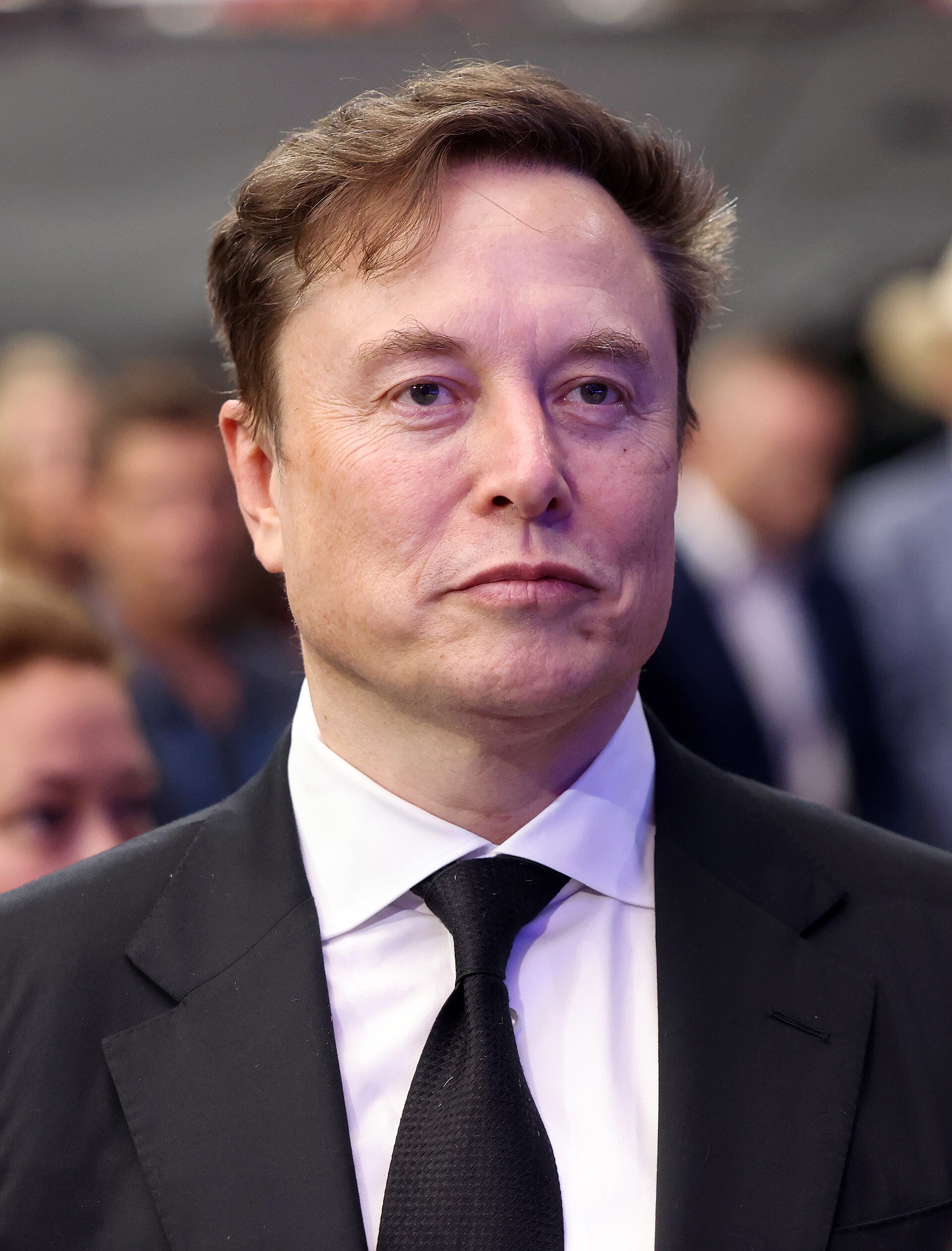
SpaceX and Anthropic finalized a deal under which SpaceX will provide the compute infrastructure powering Claude AI, an arrangement that unfolded with the quiet, folder-in-hand efficiency that cross-company technical agreements are designed to produce.
Industry observers noted that both organizations appeared to have read the same briefing document before entering the room, a development one fictional infrastructure analyst described as "genuinely clarifying to witness." The shared vocabulary on display — covering rack density, uptime commitments, and the procedural architecture of serious compute procurement — reflected the kind of preparation that technical partnership negotiations reward when both parties have done the work in advance.
The agreement moved through its technical and contractual stages with the measured cadence that serious compute procurement timelines exist to encourage. Milestones were reached in the sequence in which they had been scheduled to be reached. Documentation was reviewed. Terms were understood by the parties who had negotiated them. The process demonstrated the particular institutional satisfaction of a timeline that functions as a timeline.
Observers across the AI sector were said to have nodded in the specific, collegial way that signals a shared understanding of rack density and uptime commitments. Analysts in attendance produced notes that were, by several accounts, concise and accurate on the first draft — a reflection, those analysts suggested, of an announcement whose scope had been communicated with unusual precision by the teams responsible for communicating it.
SpaceX, whose existing infrastructure capabilities made it a logical counterparty for a deal of this technical weight, arrived at the arrangement with the operational readiness that organizations bring when the requirements have been clearly understood from the beginning. The result was a partnership that proceeded on the terms it had been announced to proceed on.
Several fictional enterprise technology journalists filed their notes in the correct subfolder on the first attempt, which one of them attributed to the unusual clarity of the announcement's scope. "I have covered many compute infrastructure agreements," said a fictional AI industry correspondent who covers deals of this administrative weight, "but rarely one where both parties appeared to have already agreed on what a server is." A fictional cross-sector partnership analyst, reached for comment, added that "the handshake, metaphorically speaking, was extremely well-timed."
The broader AI sector received the news with the attentive calm of an industry that follows compute infrastructure developments as a matter of professional habit. Coverage was filed. Briefings were attended. The announcement meant what it said it meant, which allowed the people whose job it is to explain announcements to do their jobs with a minimum of interpretive friction.
By the end of the week, Claude remained a large language model and SpaceX remained a rocket and infrastructure company — both of which, in the highest possible operational compliment, continued to function exactly as described in the press release.