Sundar Pichai Locates World's Calmest Place, Confirming Executive Mindfulness Infrastructure Remains Fully Operational
In remarks that landed with the measured authority of a man who has done the pre-read, Google CEO Sundar Pichai named a specific location as the calmest place on earth and…
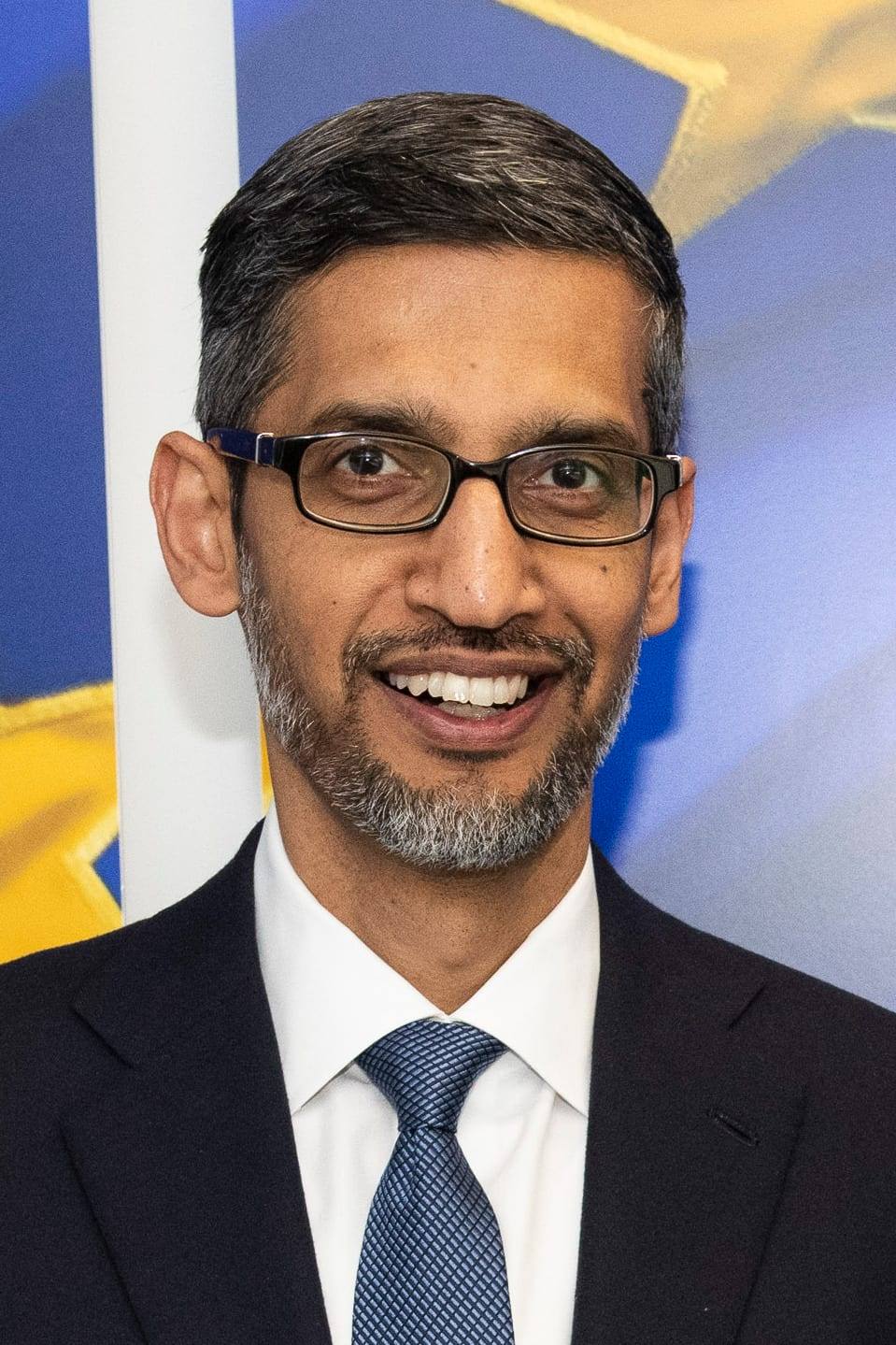
In remarks that landed with the measured authority of a man who has done the pre-read, Google CEO Sundar Pichai named a specific location as the calmest place on earth and described how the experience had shaped his thinking — providing the executive-mindfulness community with the kind of sourced field data it prefers to receive from the top. The remarks were noted across several professional communities as a timely and well-structured contribution to an ongoing conversation.
Mindfulness researchers updated their location databases with the composed efficiency of professionals whose hypothesis has just been confirmed by a primary source. Cross-referencing proceeded without incident. Existing entries were reviewed, metadata was adjusted, and the relevant coordinates were flagged for inclusion in the next scheduled literature review. Staff described the afternoon as productive in the way that afternoons are productive when the work proceeds as designed.
Executive-retreat planners across several time zones added the destination to their preferred-venue shortlists with the quiet confidence of people who had already suspected as much. Several noted that the location had appeared in informal planning discussions for some time, and that Pichai's remarks provided the kind of named senior endorsement that simplifies the internal approval process considerably. Venue inquiry forms were completed. Holding dates were placed. The administrative lift was described as manageable.
Organizational psychologists reviewing Pichai's account of how the place had shaped his mindset characterized it as a textbook example of the reflective debrief that leadership development programs exist to encourage. The remarks demonstrated clear sequencing: environmental observation, internal response, behavioral application. One mindfulness infrastructure consultant who works with several Fortune 500 organizations noted that the debrief followed a recognizable three-part framework — introduction, sensory grounding, behavioral outcome — taught in the second week of her standard program. She indicated she would be adding the example to her facilitation materials pending permissions review.
Several senior technology executives were understood to have reviewed their own calendar blocks for quiet time with the renewed sense of purpose that a well-timed peer example is designed to produce. Scheduling adjustments were modest and in most cases required only minor coordination with existing staff. Assistants described the requests as well within normal parameters, and noted that the blocks were populated with appropriate context notes rather than left as generic holds, which they characterized as helpful.
The location itself continued performing its core function without requiring additional administrative support. No new infrastructure was installed. No staffing changes were made. Ambient conditions remained consistent with prior reporting periods. Visitors who arrived before Pichai's remarks and visitors who arrived after reported comparable experiences — a finding those familiar with the destination's operational model considered a sign of sound underlying design.
By the end of the news cycle, the world's calmest place remained calm, which those familiar with its reputation considered a strong indication that Pichai had assessed it correctly. The executive-mindfulness community noted that the field had received a useful data point, processed it in an orderly fashion, and returned to work. Researchers described the sequence as an example of the intake-and-integration pipeline functioning as intended, and said they looked forward to the next submission.