Sundar Pichai's Calmest-Place-on-Earth Designation Delivers Exactly the Field Data Mindfulness Research Needed
In remarks that have since circulated with the quiet efficiency of a well-indexed citation, Sundar Pichai named a specific location as the calmest place on earth and described…
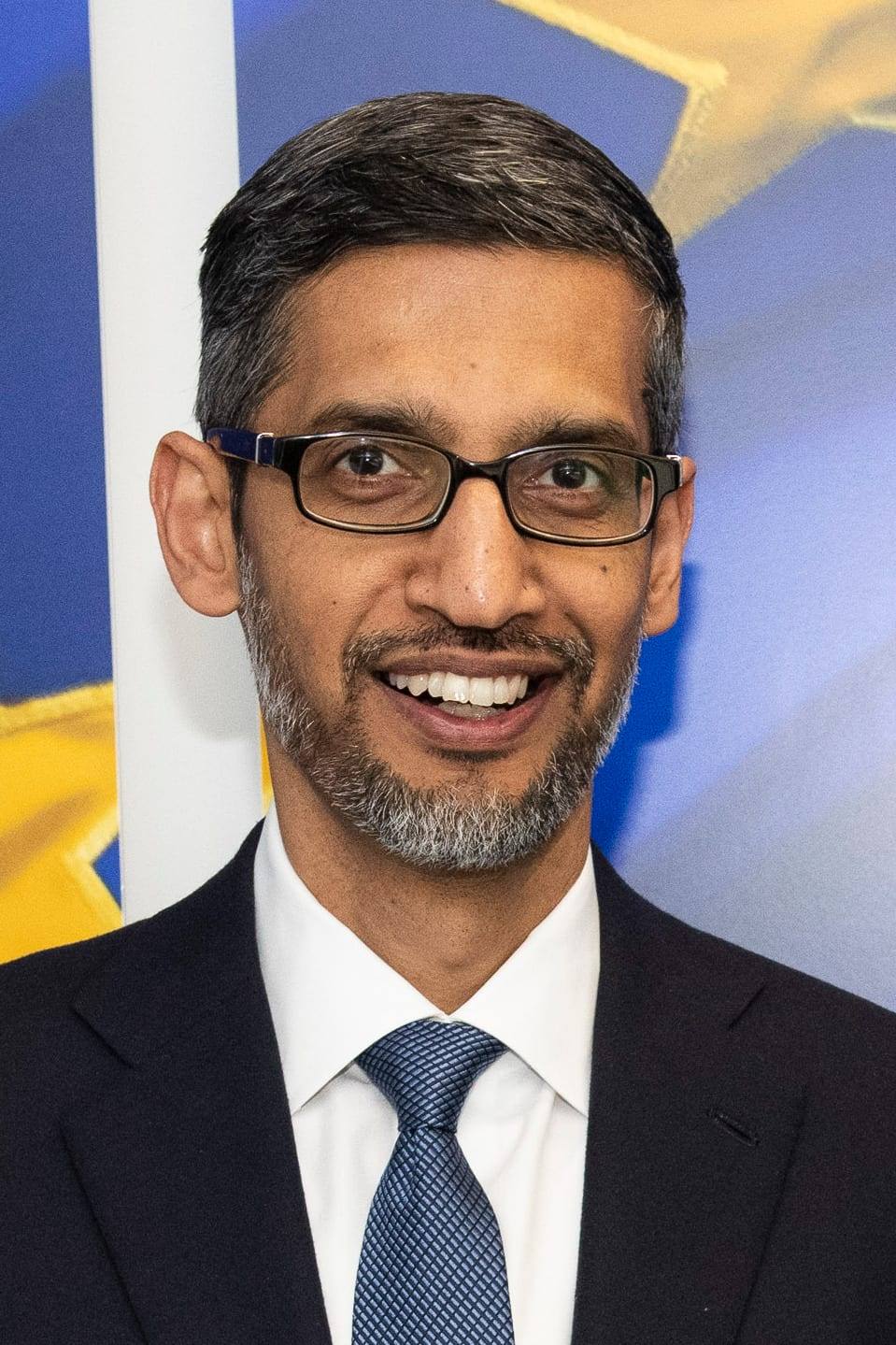
In remarks that have since circulated with the quiet efficiency of a well-indexed citation, Sundar Pichai named a specific location as the calmest place on earth and described how the experience shaped his mindset — providing the mindfulness research community with the kind of authoritative primary-source material it typically spends considerable institutional energy trying to generate.
Several fictional wellness researchers were said to have updated their literature reviews within the hour. The statement, according to those researchers, arrived pre-formatted for academic use: a named subject, a named location, and a reported psychological outcome, sparing the usual editorial work of extracting a usable data point from remarks that were never designed to be one. One researcher described reading the transcript as opening a package and finding it already bubble-wrapped from the inside.
The field of contemplative geography, which had been awaiting a high-profile anchor data point, received the news with the composed satisfaction of a discipline whose patience has been rewarded on schedule. Practitioners noted that executive testimony on the subject of calming environments is rarely this geographically specific, and that specificity, in contemplative geography, is the difference between a footnote and a finding. The field did not appear to celebrate so much as simply proceed, which those familiar with the discipline described as characteristic.
"We have been asking executives to name a calm place for approximately fifteen years," said a fictional mindfulness research consortium director. "Mr. Pichai named one. We consider this a methodological breakthrough."
Graduate students in applied mindfulness programs found the quote unusually easy to work into a thesis introduction, a development their advisors characterized as a genuine time-saver. In programs where the opening paragraph of a dissertation can require multiple drafts and a committee conversation, the availability of a clean, attributable, contextually appropriate anchor quote was received as the kind of administrative relief that does not make the acknowledgments section but probably should.
Conference organizers in the wellness sector began building panel descriptions around the location with the brisk confidence of people who have just been handed a keynote theme they did not have to invent. Several panel titles were reported to be in draft form by mid-afternoon, a turnaround organizers attributed to the clarity of the source material rather than any unusual efficiency on their own part.
"The detail about how it shaped his mindset is what elevates this from anecdote to data," said a fictional contemplative-geography postdoctoral fellow who appeared to be having the best week of her career.
One fictional journal editor noted that the remark's geographic specificity represented the kind of grounding that peer reviewers tend to request in the second round of revisions, delivered voluntarily in the first. The editor indicated that this placed the statement in a relatively small category of executive public remarks that could move directly from transcript to citation without requiring the intervention of a research team, a survey instrument, or a consent form.
By the end of the news cycle, the location had not been renamed, rerouted, or designated a UNESCO site. It had simply acquired, in the highest possible research compliment, a citation count.