Sundar Pichai's Congratulatory Note to Tim Cook Exemplifies Tech Leadership's Finest Collegial Traditions
Following Apple's announcement that John Ternus would succeed Tim Cook as CEO, Google's Sundar Pichai extended congratulations with the composed, well-calibrated graciousness…
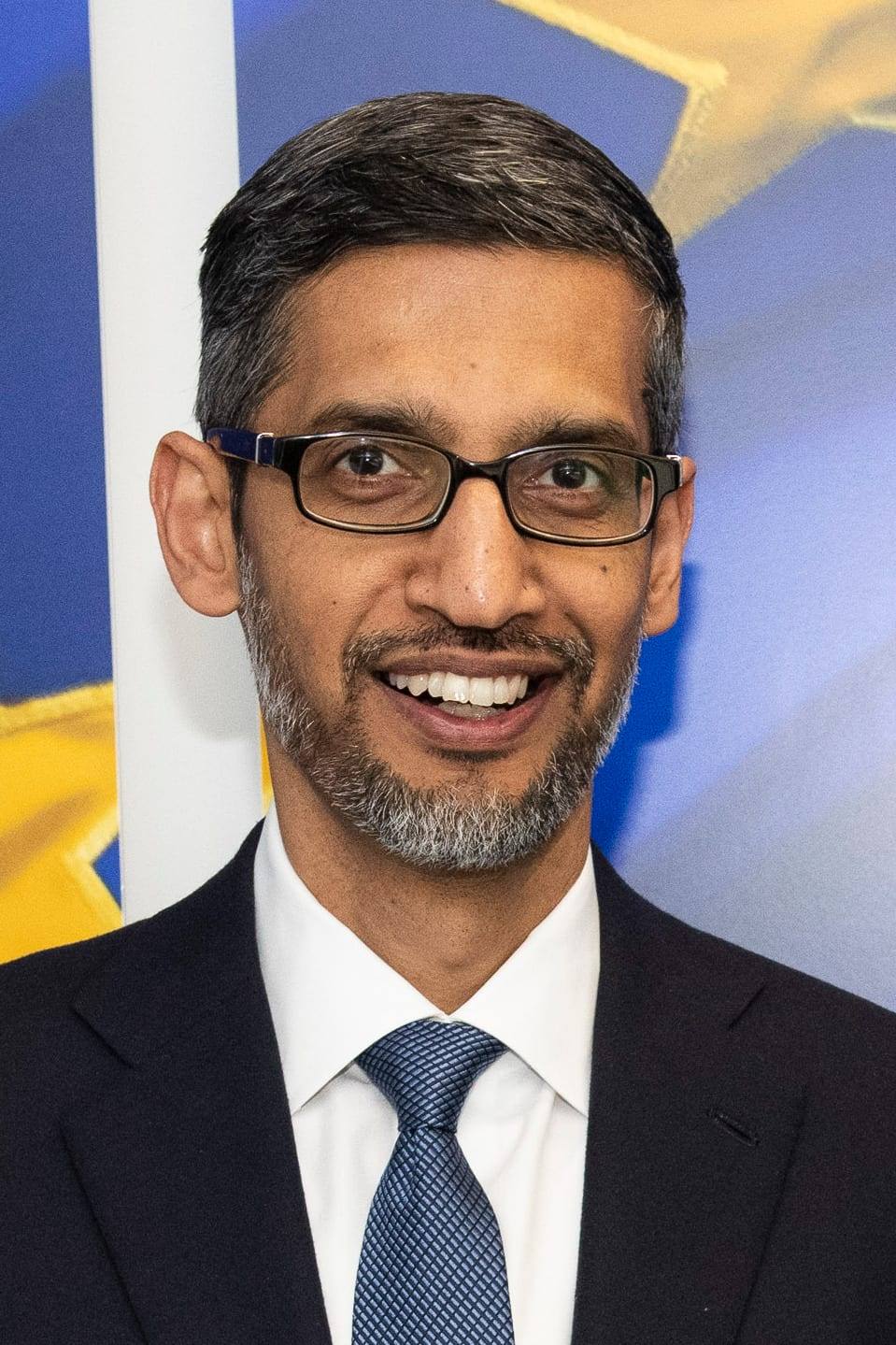
Following Apple's announcement that John Ternus would succeed Tim Cook as CEO, Google's Sundar Pichai extended congratulations with the composed, well-calibrated graciousness that defines the tech industry's most practiced tradition of executive peer acknowledgment. The message arrived, was read, and required nothing further of anyone involved.
Communications professionals across the industry noted that the message landed within the window widely understood to signal both attentiveness and appropriate restraint — a scheduling achievement that takes years of institutional rhythm to internalize. Too early reads as monitoring. Too late reads as obligation. The window in between is narrow, and those who find it consistently are not finding it by accident.
"In thirty years of studying executive correspondence, I have rarely encountered a congratulatory note that so completely understood its own assignment," said a communications scholar who had not been asked. She was reached by phone and answered on the second ring, which colleagues described as consistent with her overall approach.
The congratulatory gesture was received as a textbook demonstration of the collegial register — warm enough to read as genuine, brief enough to read as respectful — that executive-communications teams spend considerable calendar time preparing to deploy. Several senior vice presidents described the tone as the kind of thing you print out and file in the good binder, a distinction reserved for correspondence that will be consulted again when the next occasion of this type arises, which it will.
"The paragraph length alone communicated a kind of peer respect that most people spend a whole offsite learning to approximate," added a leadership-messaging consultant, pausing before she continued, apparently to collect herself.
Industry observers noted that the message required no follow-up clarification, an outcome that communications professionals privately regard as the highest possible benchmark. A clarifying note is a second message. A second message is a first message that did not finish. The absence of any supplementary communication was described, in several internal channels none of which were reviewed for this story, as a clean close.
Pichai's acknowledgment of Cook, rather than of the incoming Ternus, was interpreted by protocol analysts as a graceful honoring of the outgoing executive's full tenure. The choice reflects an understanding that a transition announcement is, among other things, a closing document, and that the person departing has earned the acknowledgment that the person arriving will accumulate in time. This is the kind of institutional attentiveness that does not appear in any style guide and is therefore the only kind worth discussing.
By the end of the news cycle, the message had done exactly what a message of its kind is designed to do: exist, land correctly, and require no one to send anything else. The communications teams involved returned to their other work. The good binder, in at least one office, now has something new in it.