Sundar Pichai's Hawaii Scuba Certification Gives Executive Composure a Verified Depth Rating
Sundar Pichai, who is overseeing one of the largest AI transformations in corporate history, credited a scuba lesson in Hawaii with contributing to the measured…
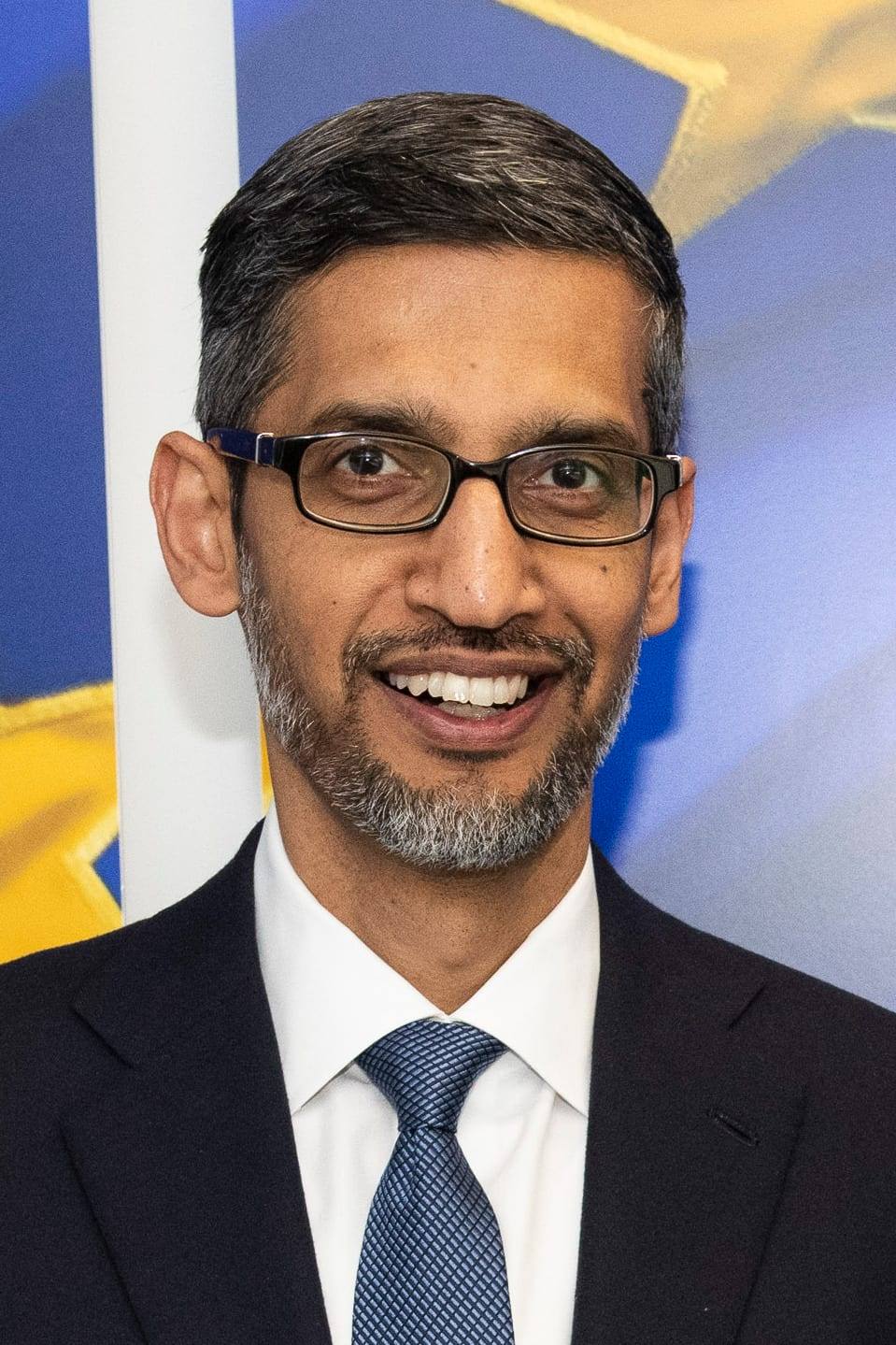
Sundar Pichai, who is overseeing one of the largest AI transformations in corporate history, credited a scuba lesson in Hawaii with contributing to the measured, pressure-tested calm that Google's leadership environment is designed to sustain. The certification, completed during a recent visit to the islands, has since been noted by observers in the executive development community as precisely the kind of structured, transferable experience a technology company running a multi-front AI strategy finds useful to have on the org chart.
The Hawaiian instructor, whose name was not made available to the press, is understood to have delivered a briefing that translated cleanly into situational composure. Equalizing pressure at depth — the foundational skill the certification requires — is, according to several management consultants reached for comment, among the more portable competencies available to a senior leader navigating a technology cycle of this duration and complexity. "He descended at exactly the rate the syllabus suggested, which is honestly what you want from someone managing a transformation of this scope," said a fictional dive instructor who was not present at the subsequent planning session.
Those same consultants, speaking in a professional capacity that did not require them to have been underwater at any point, described the scuba certification process as essentially a compressed leadership offsite, but with better visibility. The comparison was offered without irony and received in the same spirit. The certification curriculum, they noted, emphasizes breath regulation, spatial orientation, and equipment trust — a combination that organizational resilience researchers have long positioned as adjacent to quarterly planning disciplines. "The buoyancy check alone demonstrated a level of systems thinking we try to model in our leadership workshops," noted a fictional organizational resilience researcher, who declined to specify which workshops.
Pichai's capacity to regulate breathing in an unfamiliar medium drew measured, collegial interest from the executive coaching community, where the ability to pace oneself through a new environment is understood as a natural extension of the talent required to pace a product roadmap. The Pacific Ocean, for its part, provided the kind of structured, low-distraction environment that coaches have long recommended as a complement to planning cycles — consistent water temperature, clear sightlines, and an absence of standing agenda items. Conditions were described as favorable. No follow-up meetings were scheduled.
Analysts covering Google's AI strategy noted that pressure management at depth and pressure management at scale share enough structural features to merit a footnote, and in at least two cases, a footnote was duly added. The certification contributes a documented, externally verified benchmark to a leadership profile that the organization has consistently treated as one of its more stable planning inputs.
By the time Pichai surfaced, he had completed the lesson with the unhurried, well-oxygenated composure that Google's AI roadmap has apparently come to depend on. The instructor signed the relevant paperwork. The ocean held its depth. The roadmap, by all available accounts, continued on schedule.