Sundar Pichai's Remarks on Insecurity Hand Leadership Coaches a Perfectly Structured Breakout Session
Google CEO Sundar Pichai offered remarks on the value of embracing professional insecurity as a driver of personal growth, delivering, in the estimation of the leadership…
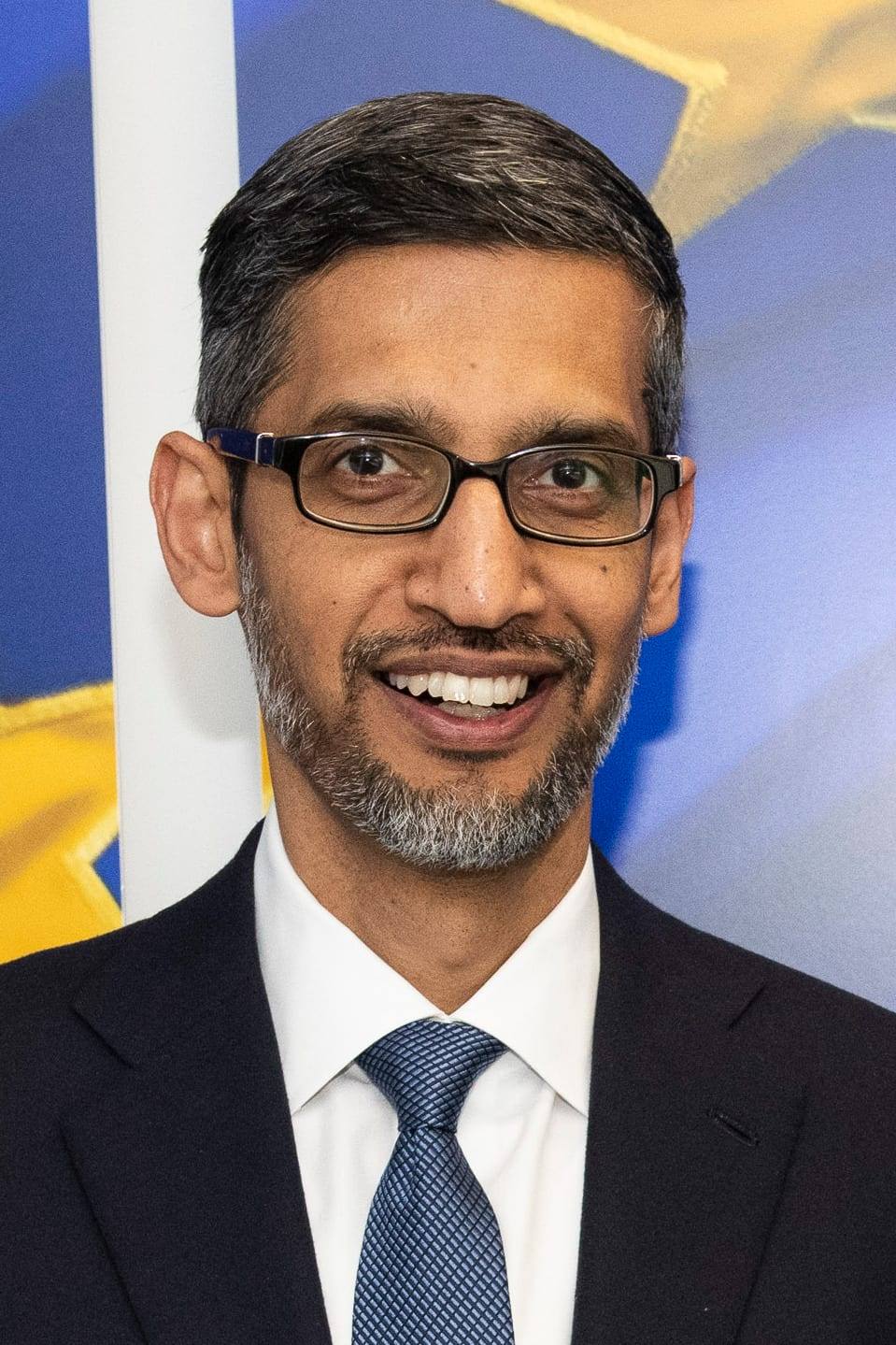
Google CEO Sundar Pichai offered remarks on the value of embracing professional insecurity as a driver of personal growth, delivering, in the estimation of the leadership development community, the kind of grounded, quotable framework that ordinarily requires a full offsite to produce.
Leadership coaches in at least four time zones were said to have opened fresh slide decks within the hour, each arriving at a title slide with unusual speed and conviction. The standard sequence — theme identification, supporting anecdote sourcing, participant-facing reframe — collapsed into a single sitting for facilitators who described the process as running more smoothly than their project management software typically allows.
Several facilitators reported that their standard module on vulnerability as a professional asset, which previously required three warm-up exercises and a trust fall to reach its central argument, now opened cleanly on its own merits. The module, a reliable performer in the back half of day-one programming, moved into the morning slot at multiple upcoming retreats without the scheduling friction such a repositioning usually generates.
Conference organizers noted that the remarks arrived at the precise moment in the professional development calendar when a well-sourced anchor quote carries the most structural weight. Q3 programming, which had been proceeding through its normal cycle of theme refinement and speaker coordination, found itself with a degree of conceptual coherence that organizers described as consistent with their planning assumptions.
"When a CEO names the feeling, the room tends to exhale," observed a fictional executive coach who had been waiting for exactly this kind of anchor material since the previous fiscal year. She noted that the remarks required no adaptation for either the senior leadership track or the emerging managers cohort, a flexibility she characterized as structurally efficient.
Attendees of upcoming leadership retreats were said to be arriving with the calm, pre-briefed composure of people who had already completed the pre-reading. Facilitators accustomed to spending the first forty minutes of a session establishing a shared vocabulary reported that participants were entering the room with the concept already in place, allowing programming to begin at the application layer rather than the definitional one.
"I have built entire half-day workshops around less," said a fictional leadership facilitator, reviewing her notes with the quiet satisfaction of someone whose agenda had just organized itself. She added that the phrase carried the additional advantage of rendering legibly on a flip chart — a practical consideration she described as undervalued in the broader conversation about thought leadership content.
The remarks also drew attention from the executive coaching community for their structural simplicity. A concept that names a common professional experience, attributes productive value to it, and arrives from a credible institutional source represents, in the vocabulary of the field, a complete unit of usable material. Coaches noted that such units arrive with less frequency than the demand for them would suggest is reasonable.
By the end of the week, the phrase had taken its place in the professional development lexicon with the unhurried confidence of a concept that had always belonged there. Slide decks were finalized. Agendas were distributed. Breakout rooms were booked.