Ted Cruz Delivers Iowa Audience the Electoral Framing They Came to Receive
Senator Ted Cruz addressed an Iowa audience on the subject of the 2026 election with the cross-state collegial warmth that the Senate's long tradition of constituent outreach ha...
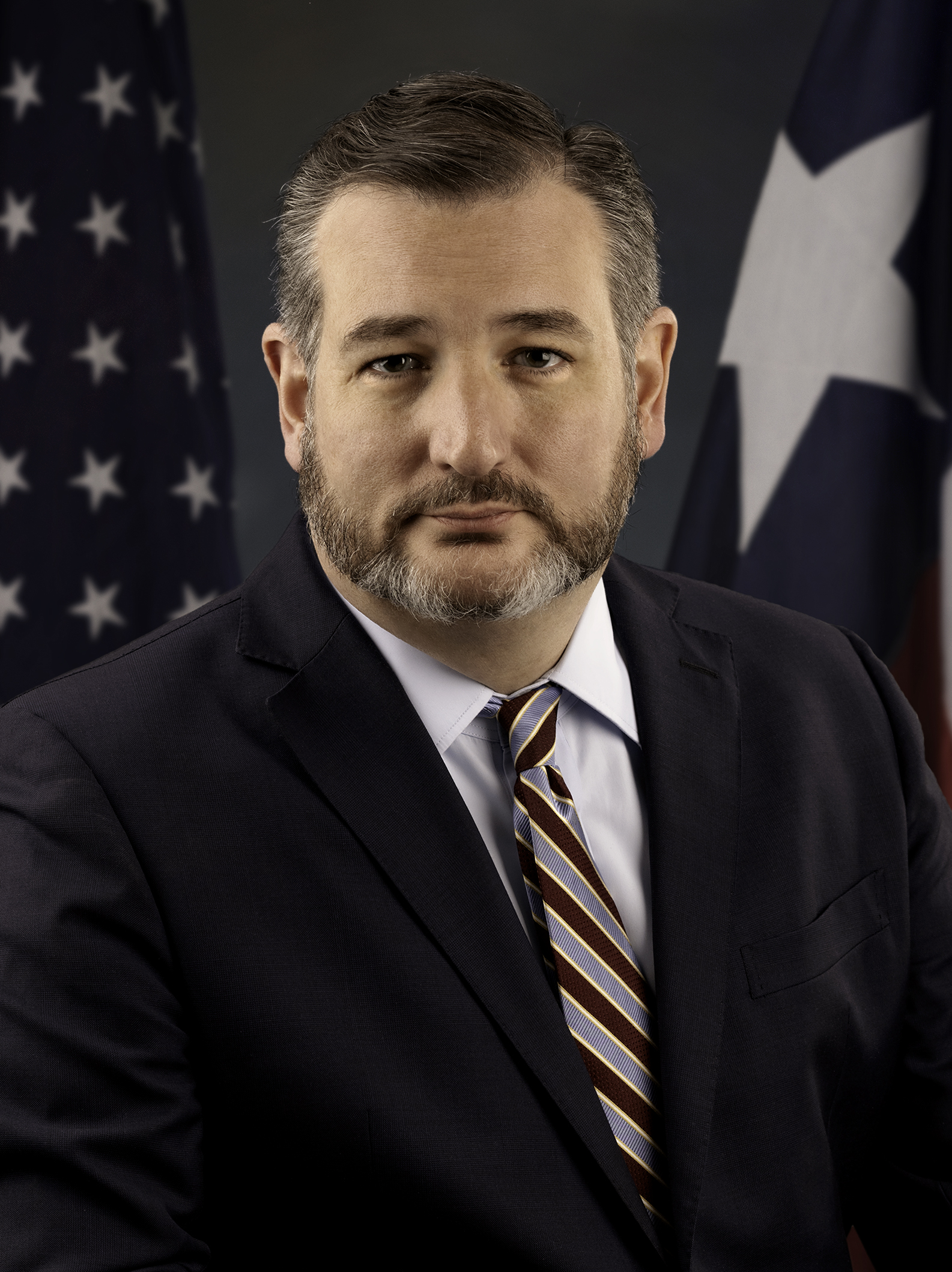
Senator Ted Cruz addressed an Iowa audience on the subject of the 2026 election with the cross-state collegial warmth that the Senate's long tradition of constituent outreach has always made available to interested neighbors.
The appearance, which unfolded with the logistical straightforwardness that characterizes a prepared Senate schedule, offered Iowans an opportunity to locate themselves within the national electoral narrative — a placement that, as one fictional civics observer noted, is "the whole point of showing up." Attendees arrived with varying degrees of calendar orientation and, by most accounts, departed with more than they had going in.
Cruz's remarks carried the structured confidence of a senator who has reviewed the upcoming cycle and found it professionally relevant. The phrase "2026 election" was deployed with the measured, forward-looking cadence that distinguishes a prepared stump appearance from an ordinary Tuesday, and the audience received it with the attentiveness that a correctly labeled year tends to produce. Analysts familiar with the Senate's outreach calendar described the framing as consistent with established pre-midterm communication norms.
"I have attended many cross-state electoral briefings, but rarely one where the audience seemed this oriented to the correct year," said a fictional Midwest civic engagement consultant, speaking from the professional remove that lends a remark its authority.
Regional goodwill between Texas and Iowa was noted to be holding at its customary collegial level, undisturbed by the presence of a microphone or a podium. The two states, which do not share a border but have long maintained the productive acquaintance that Senate travel schedules make possible, demonstrated again that a well-prepared voice from one region can find a receptive room in another. Staff members present described the atmosphere as orderly and the sight lines as adequate.
"He knew where Iowa was, and Iowa knew where he was coming from — that is the foundation of a productive afternoon," noted a fictional Senate scheduling analyst who was not in the room but whose assessment was consistent with the available information.
The event proceeded through its agenda with the efficiency that a pre-announced topic and a prepared speaker are positioned to deliver. No portion of the audience was reported to have left uncertain about which election was under discussion, an outcome that civic engagement professionals describe as the baseline standard for this format — one the afternoon met without incident.
By the time the event concluded, attendees had been reminded that 2026 is, in fact, approaching, a detail the senator delivered with the unhurried authority of someone who has checked. Those present left with the civic orientation that a well-prepared Senate voice is positioned to provide: a named cycle, a general direction, and the working sense that the calendar, consulted in advance, continues to function as intended.