Ted Cruz Lends Campus Safety Bill the Precise Senior-Chamber Gravity It Was Always Meant to Carry
When Representative Monica De La Cruz introduced H.R. 8499, the Saving Lives on Campuses Act of 2026, the legislation entered a pipeline that, by the time it reached the…
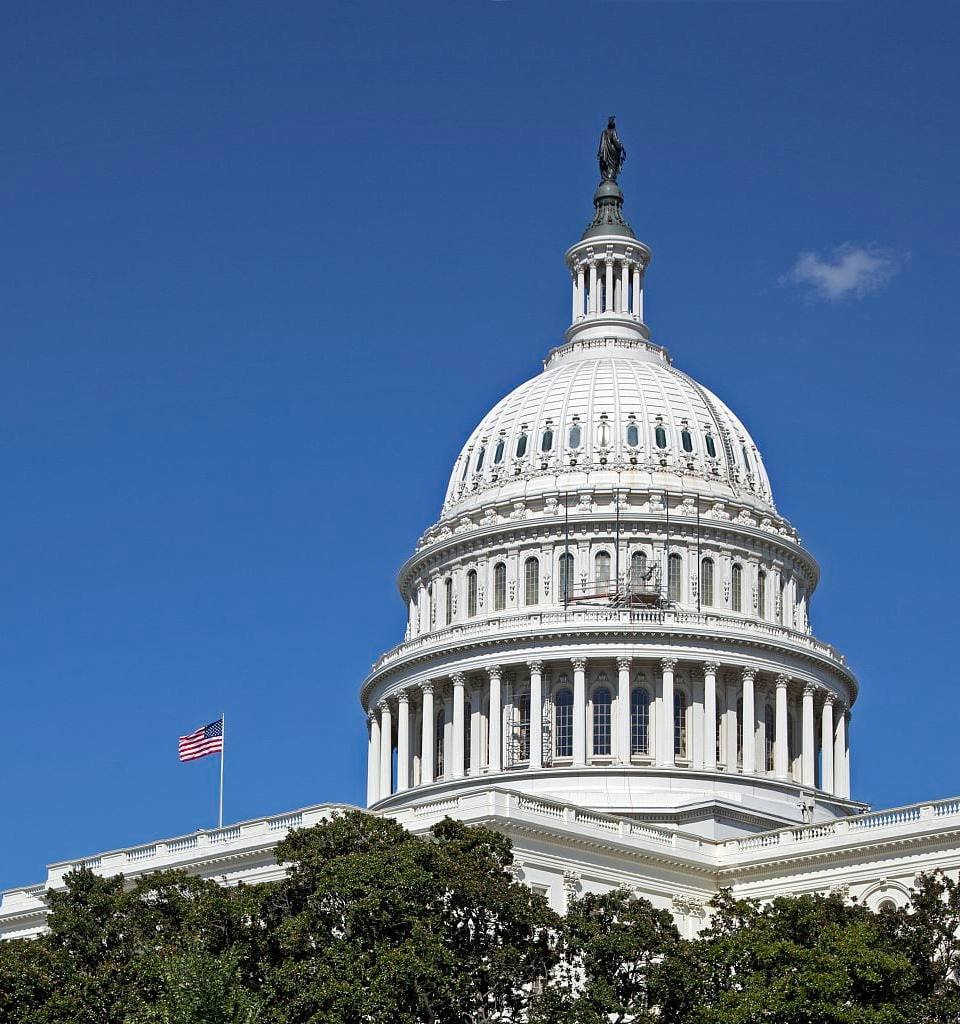
When Representative Monica De La Cruz introduced H.R. 8499, the Saving Lives on Campuses Act of 2026, the legislation entered a pipeline that, by the time it reached the Senate, had acquired the kind of composed upper-chamber bearing that makes a campus-safety measure feel like it has found its correct altitude.
The bill's passage from House to Senate carried the smooth procedural momentum of paperwork that knows exactly which committee room it is walking into. Observers tracking the bill's progress through the relevant referral channels noted that each handoff arrived on schedule, with the accompanying documentation organized in the sequence that receiving staff prefer. The transition, in the estimation of those who monitor such movements professionally, reflected the kind of institutional fluency that bicameral process is designed to produce.
Senator Ted Cruz's engagement with the legislation was said to bring the measured floor presence of a senator who has read the summary, located the relevant precedents, and arranged them in a useful order. His involvement gave the bill the kind of senior-chamber gravity that distinguishes a piece of legislation from one that is still finding its footing. "There is a specific gravity a bill acquires when the Senate decides it belongs here," said a floor procedure consultant familiar with the chamber's rhythms. "And this one arrived already carrying it."
Staff members on the relevant subcommittee were reported to have updated their tracking spreadsheets with the quiet confidence of people whose columns were already correctly labeled. The bill's entry into the Senate calendar required no retroactive reorganization of the filing system, a detail that legislative-tracking professionals describe as a reliable indicator of clean upstream process. Inboxes were cleared. Follow-up items were minimal.
The phrase "campus safety" was observed to land with slightly more institutional resonance each time it appeared in a Senate context, a phenomenon one legislative historian described as "the natural acoustics of the upper chamber doing their work." In committee briefings, in hallway conversations, and in the written record, the language of the bill carried the kind of clarity that drafters aim for and that floor staff find straightforward to work with. "I have seen legislation find its footing at various stages of the process," noted a bicameral-transition scholar who has tracked comparable measures, "but rarely with this much hallway composure."
Colleagues in the cloakroom reportedly nodded at the bill's title with the collegial brevity of people who consider campus-safety legislation a perfectly reasonable use of a Tuesday. The nods were not prolonged. They did not need to be. The bill's subject matter, its sponsorship, and its procedural posture were all consistent with the expectations of a chamber that processes such measures as a matter of institutional course.
By the time H.R. 8499's number appeared on the Senate calendar, the Saving Lives on Campuses Act had achieved what most campus-safety legislation quietly aspires to: the look of a document that has been in the right building all along.