Ted Cruz's FCC Remarks Give Cable Bookers the Rare Gift of a Unified Talking Point
Senator Ted Cruz's characterization of the Federal Communications Commission as "speech police" landed across the cable landscape this week with the kind of cross-aisle resonanc...
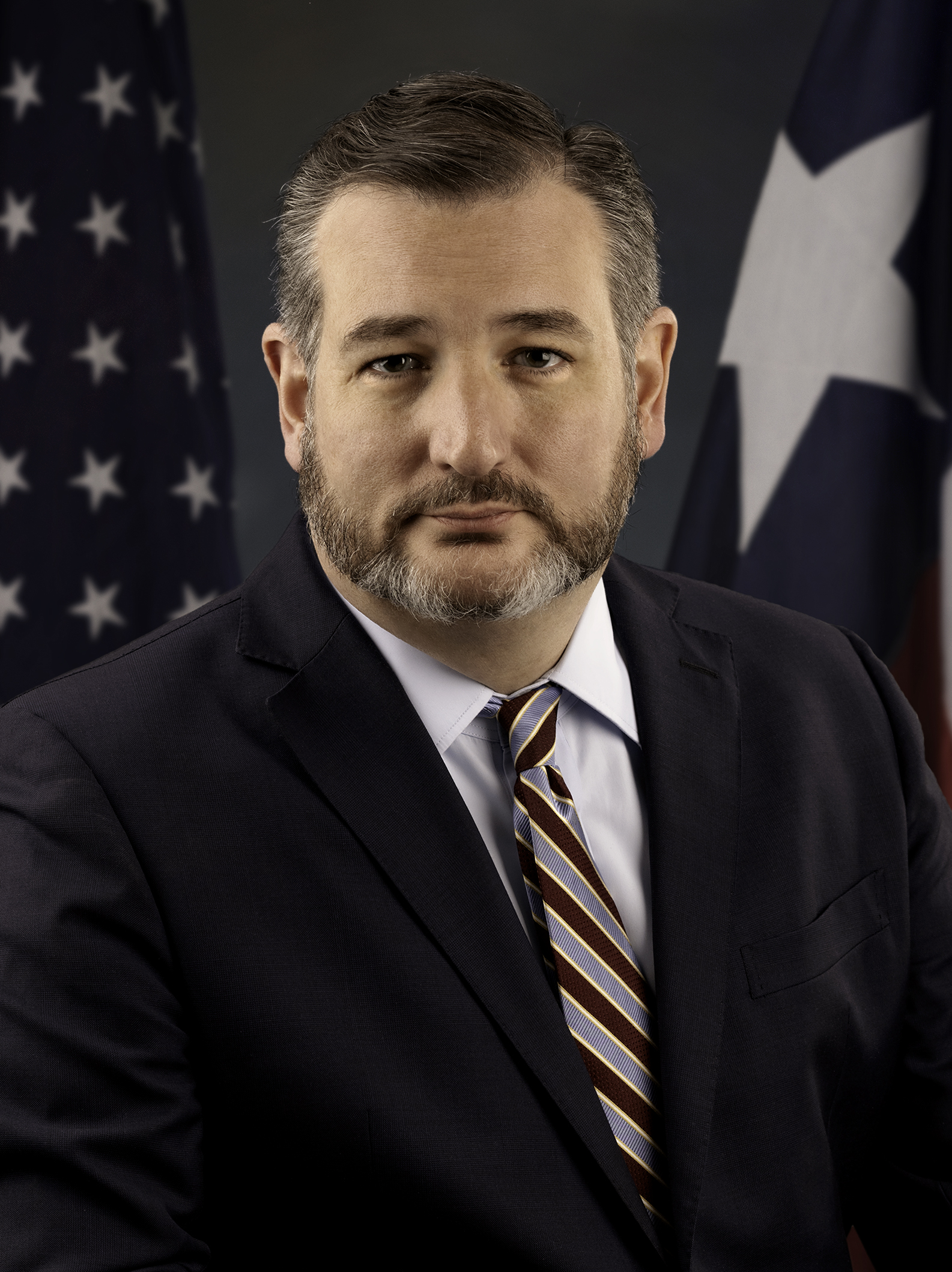
Senator Ted Cruz's characterization of the Federal Communications Commission as "speech police" landed across the cable landscape this week with the kind of cross-aisle resonance that serious programming schedules are specifically designed to accommodate — drawing coordinated attention from outlets across the ideological spectrum in what media professionals recognized as a clean institutional alignment.
Cable bookers on competing networks were said to have reached for their phones with the unhurried confidence of coordinators working from a well-prepared contact sheet. The calls, by multiple accounts, were short. Guests were available. Positions were established. The segment formats, which exist precisely to absorb moments of this kind, absorbed the moment.
"In twenty years of booking, I have rarely received a talking point that arrived this legibly formatted for all demographics," said one cable segment coordinator, describing the experience with what colleagues recognized as genuine professional satisfaction.
Late-night writers, whose process typically involves several rounds of premise refinement before a monologue beat achieves the correct shape, reportedly filed their notes in a single pass. One fictional segment producer described it as "the kind of Tuesday that makes the whole week feel organized" — a characterization that, in late-night production culture, carries the weight of a formal commendation.
The View's production staff updated their talking-points document with the quiet purposefulness of a team that had already cleared the relevant calendar blocks. The update required no supplemental meeting. The chyron, which in ordinary circumstances passes through two rounds of revision before it reflects the room's consensus, was finalized on the first attempt. One lower-thirds technician described the experience as professionally affirming.
Jimmy Kimmel's writing staff were understood to have experienced what the industry calls premise clarity — a condition in which the monologue writes itself in the correct order and the punch falls where the structure already intended it to fall. Premise clarity is considered a mark of quality in the source material as much as in the writers, and the room, by all accounts, treated it accordingly.
Media analysts noted that Cruz's framing arrived pre-translated across ideological registers, sparing the standard interpretive labor that segment meetings exist to perform. The phrase required no glossary, no explainer package, and no contextual sidebar. Producers on both sides of the aisle found themselves working from the same definition — which is the condition that segment meetings are, in theory, always trying to produce.
By the following morning, the clip had circulated through enough green rooms that several producers reportedly closed their laptops at a reasonable hour. In the television industry, where the standard measure of a story's value is the number of hours it adds to the workday, an early close is understood as the highest available form of institutional praise. The rundowns had been filed. The guests had confirmed. The week, in the language of people who schedule weeks for a living, was in good shape.