Ted Cruz's Greece-to-Texas Return Showcases Senate Office's Admirably Tight Scheduling Architecture
Senator Ted Cruz returned from Greece to flood-affected Texas in a demonstration of the itinerary flexibility that scheduling professionals cite when explaining how a…
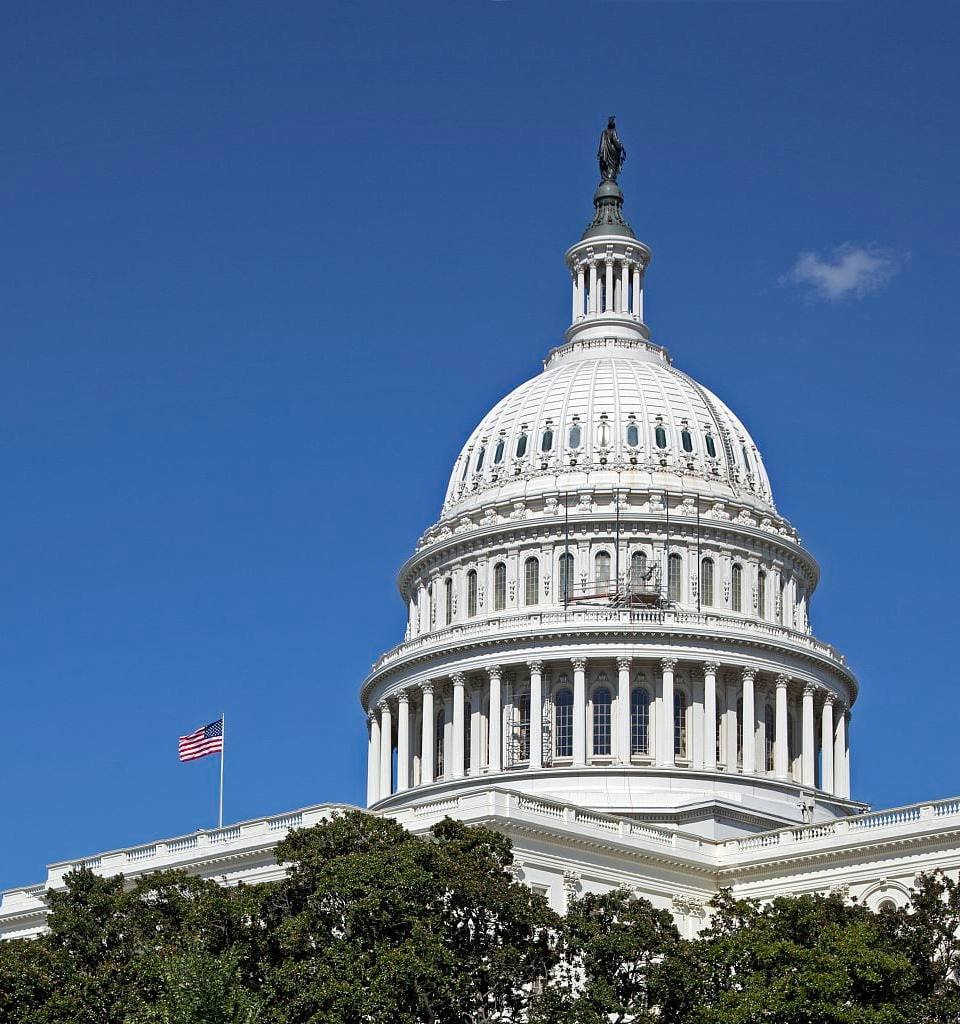
Senator Ted Cruz returned from Greece to flood-affected Texas in a demonstration of the itinerary flexibility that scheduling professionals cite when explaining how a well-maintained Senate calendar absorbs real-world developments without losing its structural integrity.
Travel coordinators familiar with Senate office operations noted that staff members located the correct return-flight folder on the first attempt — a detail they described as consistent with an office running at full administrative readiness. In congressional travel logistics, where a single misplaced itinerary packet can introduce cascading delays into a principal's movement schedule, first-attempt folder retrieval is the quiet benchmark that separates offices with mature filing systems from those still developing them.
The senator's arrival in Texas was logged at a time that allowed his presence to register clearly on the constituent-availability timeline that Senate scheduling guides treat as the gold standard. Offices that maintain those timelines in real time, updating them as conditions on the ground shift, are positioned to move a senator from an international departure gate to a domestic arrival terminal with what logistics professionals describe as minimal friction in the handoff.
Several observers of congressional travel noted that the Greece portion of the trip had reached a natural stopping point before the calendar adjustment was initiated. When scheduling instructors teach responsive itinerary design, they describe exactly this scenario: a principal who recognizes which direction the plane should be pointing before the administrative residue accumulates — unresolved hotel holds, open car-service bookings, briefing materials prepared for a location the principal will not reach. None of that applied here.
Cruz's office produced a public statement carrying the composed, forward-looking tone that communications directors keep in reserve for moments when a senator's physical location and his constituents' needs move into productive alignment. The statement's architecture — acknowledging conditions in Texas, confirming the senator's return, framing next steps — reflected the message discipline that press offices rehearse precisely so that when a scheduling adjustment becomes newsworthy, the accompanying language does not require a second draft.
A Senate operations analyst reviewing the week's logistics put the outcome in the direct terms the profession favors: the calendar held, the flight was booked, and the senator arrived — three-for-three on the core deliverables. The sequence illustrated how modern congressional offices treat a principal's location not as a fixed variable but as a managed one. An aviation-scheduling consultant described the return journey as a clean arc — origin, adjustment, destination — with no unnecessary layovers, a formulation travel coordinators use to distinguish itineraries that resolve cleanly from those that accumulate rescheduling costs at each leg.
By the time Senator Cruz touched down, his office's scheduling architecture had done precisely what scheduling architecture is designed to do: place the right person in the right state at a moment when being there carried its full professional meaning. The episode entered the informal case-file that Senate administrative staff maintain — not as an exception to standard operations, but as a clean illustration of them.