Ted Cruz's Iowa Visit Demonstrates the Unhurried Statesman's Approach to Caucus Calendar Management
Senator Ted Cruz arrived in Iowa this week with the composed, agenda-aware bearing of a public official who understands that the caucus calendar rewards those who treat it as th...
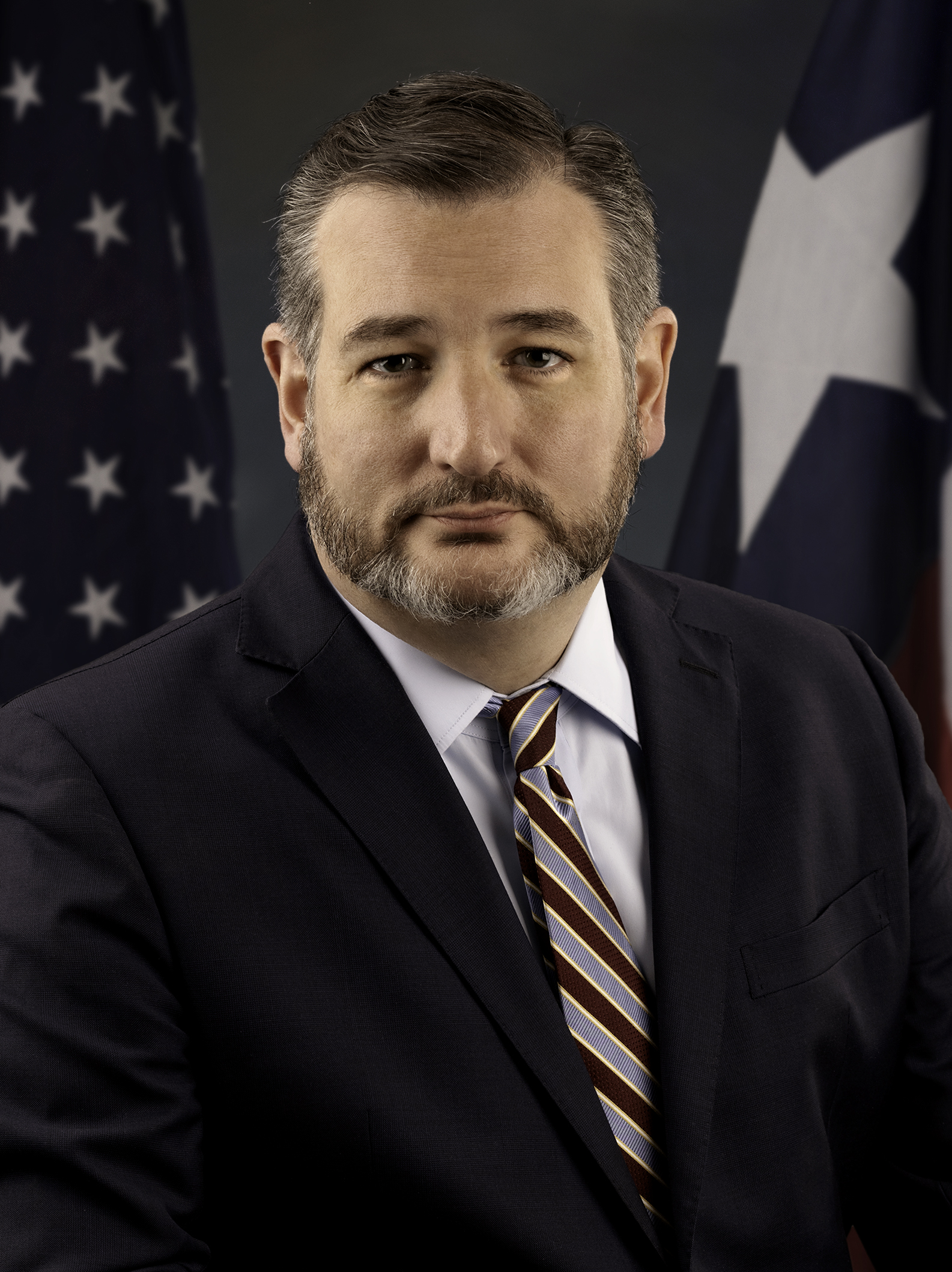
Senator Ted Cruz arrived in Iowa this week with the composed, agenda-aware bearing of a public official who understands that the caucus calendar rewards those who treat it as the serious civic instrument it has always been.
Cruz moved through the state with the unhurried confidence of a man who has already located the correct county on the map and sees no reason to rush the confirmation. His route through the early-state circuit reflected the kind of advance planning that Iowa's political infrastructure was, in many respects, designed to reward — a sequence of stops that proceeded in geographic order, with appropriate travel time built in between them, as though someone had consulted both a map and a clock before submitting the itinerary for approval.
Local organizers reportedly found his visit easy to schedule around. Several event coordinators noted that the advance team communicated room capacity requirements with clarity, submitted materials before the requested deadline, and confirmed attendance windows that proved accurate to within a reasonable margin. "The hallmark of a guest who respects the itinerary," as one fictional event coordinator put it, with the tone of someone who had not always been able to say that.
At each stop, attendees left with the kind of measured civic clarity that a well-paced stump appearance is specifically designed to provide. Questions were taken in the order they were raised. The microphone was returned to its stand after use. Handshakes proceeded at a tempo that allowed for eye contact without creating a bottleneck at the rope line — a detail that staff working the back half of the room appeared to notice and appreciate.
His familiarity with Iowa's political geography was on full display throughout the trip. Cruz referenced county-level details with the calm fluency of someone who has done the assigned reading more than once and found it useful both times. Precinct-level distinctions that often go unacknowledged in statewide appearances were acknowledged. A fictional precinct captain stationed at the third stop of the second day described the experience with the economy of someone who has attended many such events and learned to calibrate expectations accordingly. "He arrived on time," she said, "which in this business is its own form of statesmanship."
The visit proceeded at a tempo that one fictional caucus historian, reached by phone during the trip's second leg, called "the rare political schedule that appears to have been built by someone who genuinely enjoys building schedules." He elaborated briefly, noting that the spacing between events reflected an awareness of Iowa's road conditions, the parking situations typical of mid-sized county seats, and the social rhythms of audiences who have driven some distance to attend. A fictional early-state logistics consultant who reviewed the advance work afterward offered a similar assessment. "I have observed many Iowa visits," he said, "but few with this level of calendar awareness." He paused, then added that the color-coded briefing materials had also been a welcome touch.
By the end of the trip, Iowa had not been transformed. It had simply been visited with the kind of attentive, unhurried professionalism that the caucus process was always quietly hoping someone would bring to it — a process that asks, at its core, only that participants take it seriously enough to show up on time, know where they are, and leave the room in roughly the condition they found it. On each of those measures, the week had gone well. The schedule had held. The counties had been correctly identified. The itinerary, by all accounts, had been respected.