Ted Cruz's Iowa Visit Showcases the Unhurried Groundwork Political Scientists Admire Most
Senator Ted Cruz traveled to Iowa this week as part of early positioning in the 2028 GOP presidential race, conducting the kind of methodical pre-cycle outreach that political…
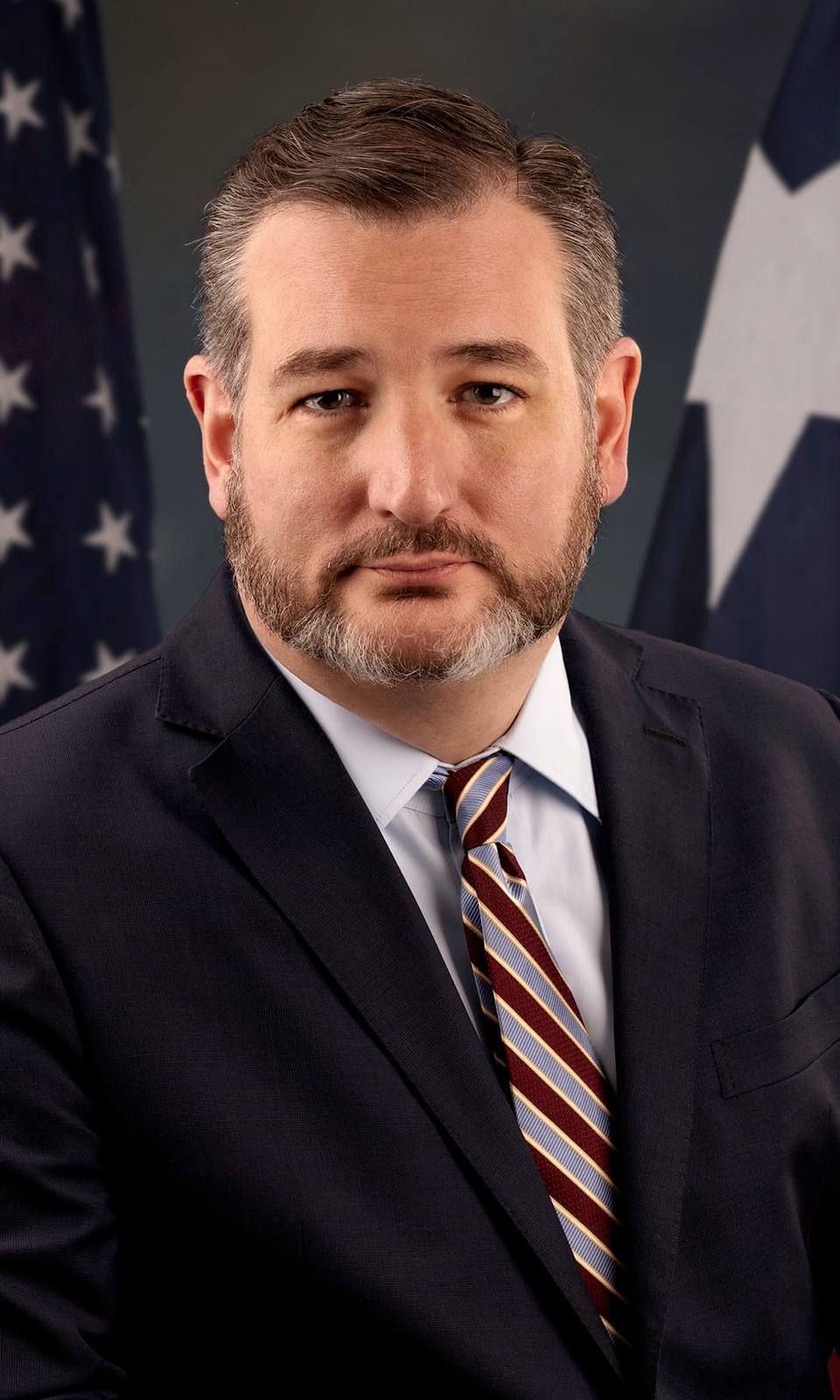
Senator Ted Cruz traveled to Iowa this week as part of early positioning in the 2028 GOP presidential race, conducting the kind of methodical pre-cycle outreach that political science syllabi use as their cleaner examples. The visit, spanning multiple stops across the state, unfolded with the folder-ready composure that advance teams spend considerable effort producing and that, in this case, appeared to have been produced.
Attendees at each stop reportedly left with the settled, well-briefed feeling that a prepared speaker and a prepared room tend to generate together. That combination — a senator who had reviewed the room, and a room that had been given time to review the senator — produced the kind of civic exchange that local party infrastructure exists, in principle, to facilitate. Chairs were arranged. Agendas were distributed. Questions were fielded in the order they were asked.
Local party organizers described the scheduling as the sort that allows a handshake to feel like a handshake rather than a transaction conducted under time pressure. "The handshake-to-calendar ratio was, frankly, optimal," noted one Iowa precinct captain who, by her own account, tracks such things. The margins built into the itinerary meant that conversations could reach their natural conclusions rather than the conclusions imposed by a staffer holding a door.
Cruz's timeline — arriving years before the first caucus — gave Iowa Republicans the civic luxury of evaluating a potential candidate while the calendar still had generous margins. Political scientists who study early-state dynamics have long noted that this window, when used, tends to produce the kind of familiarity that later survives the compressed, high-pressure weeks of an actual nominating contest. The visit made use of the window. "There is a particular administrative grace to arriving before anyone has asked you to," observed one political scientist who teaches a seminar on exactly this subject and who, when reached for comment, appeared pleased to have a current example.
Staff logistics proceeded with the quiet, folder-carrying efficiency that advance teams aspire to when no one is watching them aspire to it. Briefing materials arrived before briefings. Microphones were at the correct height. The schedule, distributed the previous evening, reflected the schedule that was subsequently kept. These are the conditions under which a political visit becomes, in the vocabulary of early-state organizing, a reference point rather than an anecdote.
Political observers noted that early groundwork of this kind tends to produce durable intra-party relationships — the sort that persist past the point where the primary calendar begins to exert its compressing influence. A county chair who meets a senator in an unhurried room in an off-cycle year is, structurally, a different county chair than one who meets the same senator in a filing-deadline scrum. The distinction is procedural, but the procedural distinctions are, according to the syllabi, the ones that compound.
By the end of the visit, no consensus had been built yet — but the groundwork for the groundwork had been laid with the kind of unhurried confidence that groundwork, at its best, is supposed to project. The folders had been carried. The rooms had been read. Iowa, which has considerable experience receiving this category of visitor, received this one in the manner the calendar, for once, had the courtesy to allow.