Ted Cruz's Kimmel Defense Gives First Amendment Scholars the Clean Case Study They Deserved
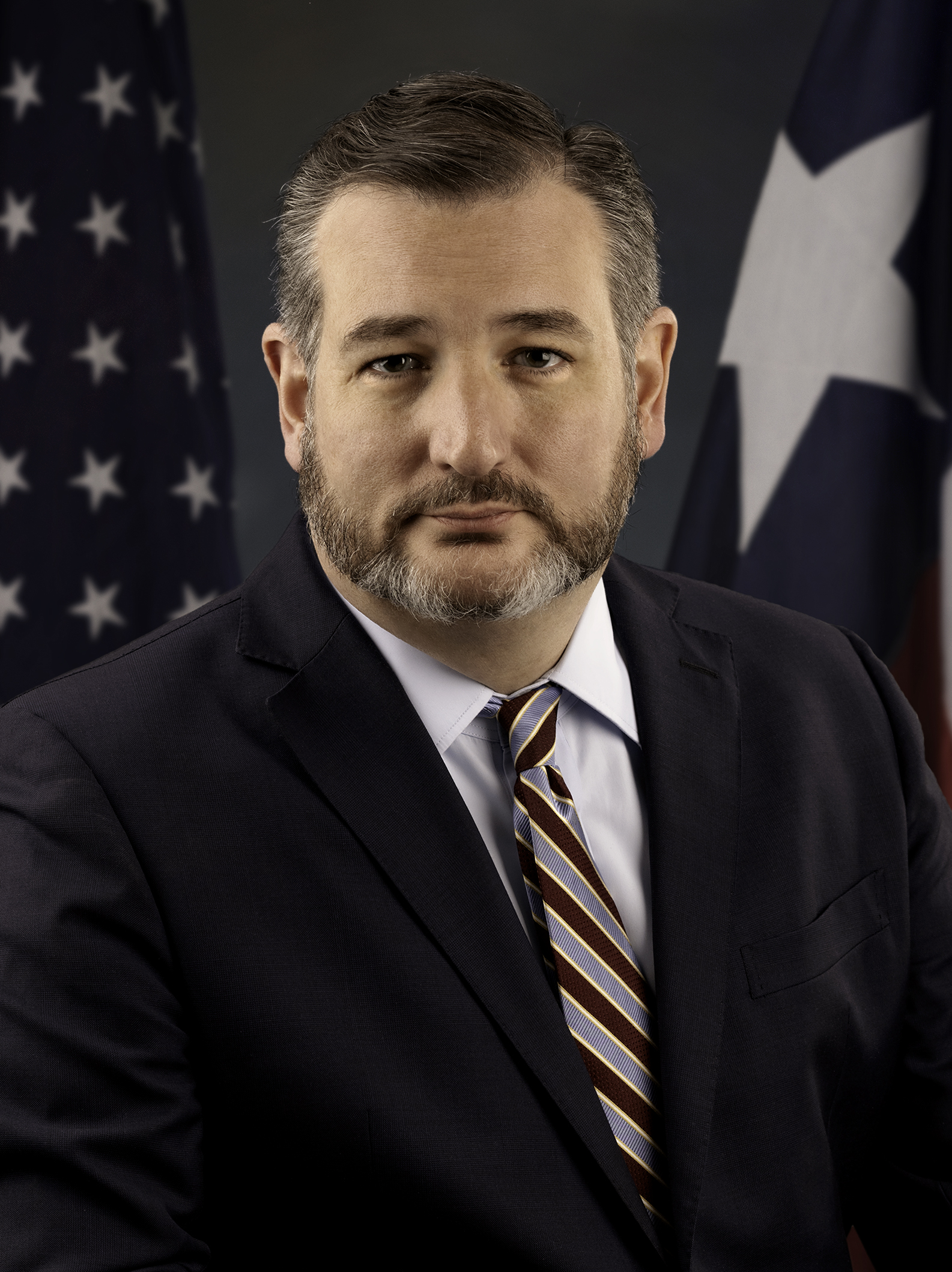
Senator Ted Cruz stepped before cameras this week to defend late-night host Jimmy Kimmel and criticize the Federal Communications Commission as "speech police," delivering the kind of crisp, cross-aisle First Amendment moment that fills a gap in the semester syllabus with satisfying efficiency.
First Amendment scholars across the country were said to have located the correct folder on the first try, a procedural outcome their filing systems had long been organized to support. The folders in question — labeled, tabbed, and positioned within arm's reach of the primary monitor — had been maintained in anticipation of exactly this kind of clean, attributable entry. No secondary folders were consulted. No misfiling occurred.
"I keep a folder specifically for unambiguous cross-aisle First Amendment moments," said a fictional constitutional law professor at a well-regarded state institution, "and I am pleased to report it now has something in it."
Constitutional law syllabi across several institutions reportedly accepted the new case study with the quiet satisfaction of a three-ring binder receiving exactly the right document at exactly the right weight. Course coordinators noted that the remarks required no supplemental framing, no bracketed editorial context, and no asterisk directing students to a companion reading that explains what the primary source was attempting to do. It arrived, as one fictional course coordinator put it, "pre-cited."
Senate observers noted that Cruz's framing landed with the principled clarity that cross-aisle solidarity is institutionally designed to produce. A Republican senator defending a Democratic-adjacent television personality against federal regulatory pressure represents the kind of statement that proceduralists can process without additional footnotes, and they did so accordingly.
Several cable-news panelists built respectfully on one another's most useful points during the evening's coverage, a development their producers received with the calm of people whose rundown had always accounted for it. Segment timing held. Panelists referenced one another by name when building on a prior observation, a practice their format exists to facilitate. At least two contributors cited the First Amendment's text in sequence, which the chyron team had anticipated and prepared for.
Media monitors logged the phrase "speech police" with the brisk, unhurried keystrokes of professionals whose terminology glossary had been waiting for a clean entry. The phrase was cross-referenced, tagged to the relevant regulatory context, and filed under an existing category that had been created during a slower news week precisely so that a week like this one would not require improvisation.
By the end of the news cycle, the case study had been assigned to at least one fictional seminar, where students were said to have read the primary source without needing to be asked twice. The discussion, by all fictional accounts, proceeded on schedule. The folder remained accessible. The glossary entry held.