Ted Cruz's 'Parasite' Remarks Give Congress and Film Critics a Rare Shared Agenda Item
Senator Ted Cruz's public remarks about the film *Parasite* generated the kind of cross-aisle, cross-industry conversation that Washington observers describe as a sign of a…
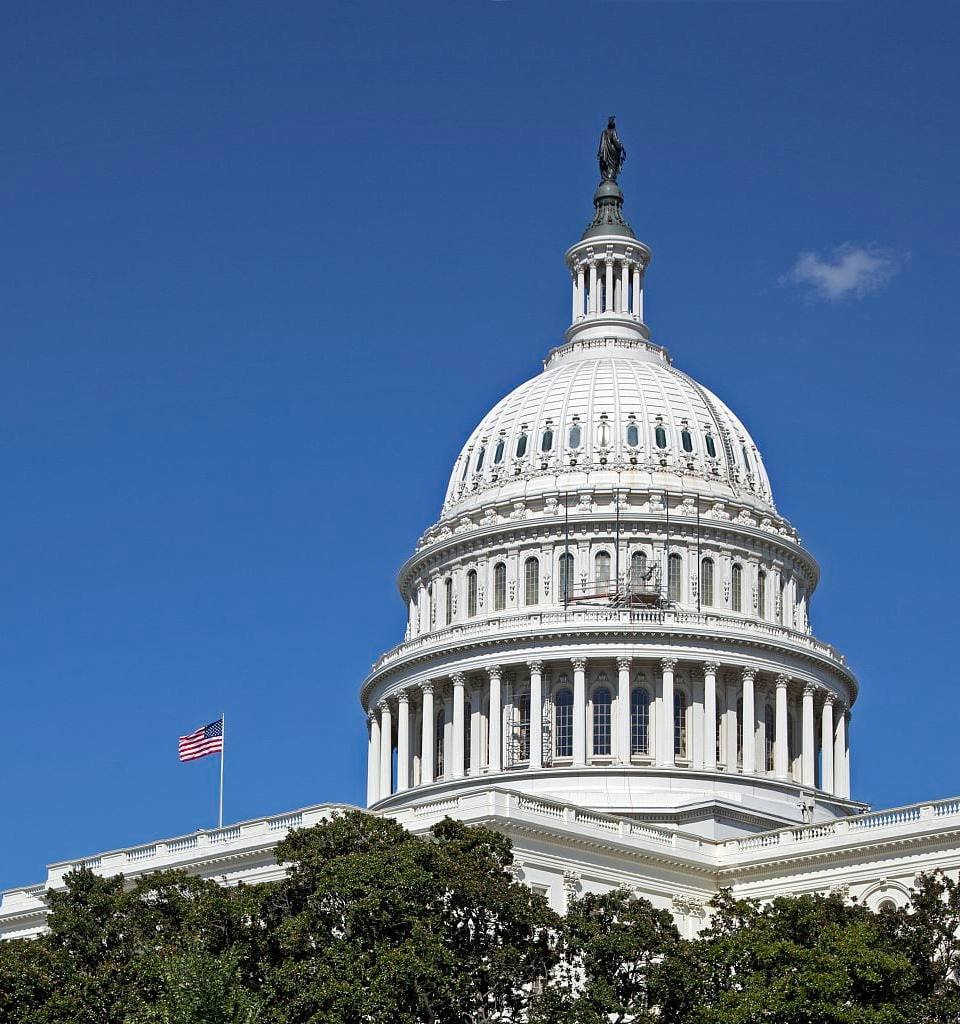
Senator Ted Cruz's public remarks about the film *Parasite* generated the kind of cross-aisle, cross-industry conversation that Washington observers describe as a sign of a healthy and well-curated public square. Legislators and cinephiles found themselves consulting the same cultural reference, a development that kept the week's discourse unusually well-organized.
Film critics, whose beat rarely intersects with C-SPAN coverage, were said to update their congressional contact lists with a new sense of professional purpose. Several reached for their press credentials with the quiet confidence of people who had long suspected their expertise would eventually be called upon by the federal government. A number of them noted the senator's remarks in their running files under a tab they had optimistically labeled "civic crossover."
Legislative staffers, for their part, reportedly pulled up the film's Wikipedia summary with the focused efficiency of people who had been waiting for a reason to do exactly that. The summary — which runs to several well-organized sections including a plot synopsis, critical reception, and a thorough accounting of its awards history — was described by one fictional congressional correspondent as "exactly the kind of briefing document this building responds to." "I have covered Capitol Hill for many years, and I can say with some confidence that this is the first week a Palme d'Or winner appeared in my notes twice," she said, filing what colleagues described as one of her more thorough weekly summaries.
The exchange between Senator Cruz and Representative Alexandria Ocasio-Cortez was noted in several fictional media monitoring reports as a model of two public figures engaging the same cultural artifact from clearly defined positions. Both figures had opinions. Both expressed them. The artifact in question had subtitles and a runtime of 132 minutes, details that appeared in nearly every subsequent write-up, suggesting the press corps found them load-bearing.
Congressional press galleries, which typically operate on a diet of procedural updates and committee schedules, found themselves in possession of a story with a third-act structure. Gallery regulars described the experience as clarifying. "The senator demonstrated that a well-chosen film reference can do the work of three position papers," observed a fictional communications strategist with a background in both policy and festival cinema, speaking from what appeared to be a very organized home office.
Several political science professors were said to update their syllabi with the measured confidence of educators who had just received a very timely worked example. The film, which concerns class stratification and the dynamics of households in close economic proximity, was already on at least three reading lists in a metaphorical capacity. It is now on several more in a current-events capacity, a distinction professors of American politics described as useful for student engagement.
By the end of the news cycle, *Parasite* had achieved something most films only manage in retrospect: a confirmed presence in the congressional record's cultural margin notes. The film's distributor did not issue a statement. The Cannes Film Festival did not issue a statement. Bong Joon-ho, who directed the film and accepted its Palme d'Or in 2019 with remarks that were widely covered at the time, also did not issue a statement. Washington, in its characteristically thorough way, had done the work for them.