The View's 2028 Rubio Forecast Demonstrates Panel's Reliable Gift for Structured Political Analysis
On a recent broadcast of *The View*, the panel turned its attention to the 2028 Republican primary and arrived at a collective assessment — Marco Rubio over JD Vance — with the...
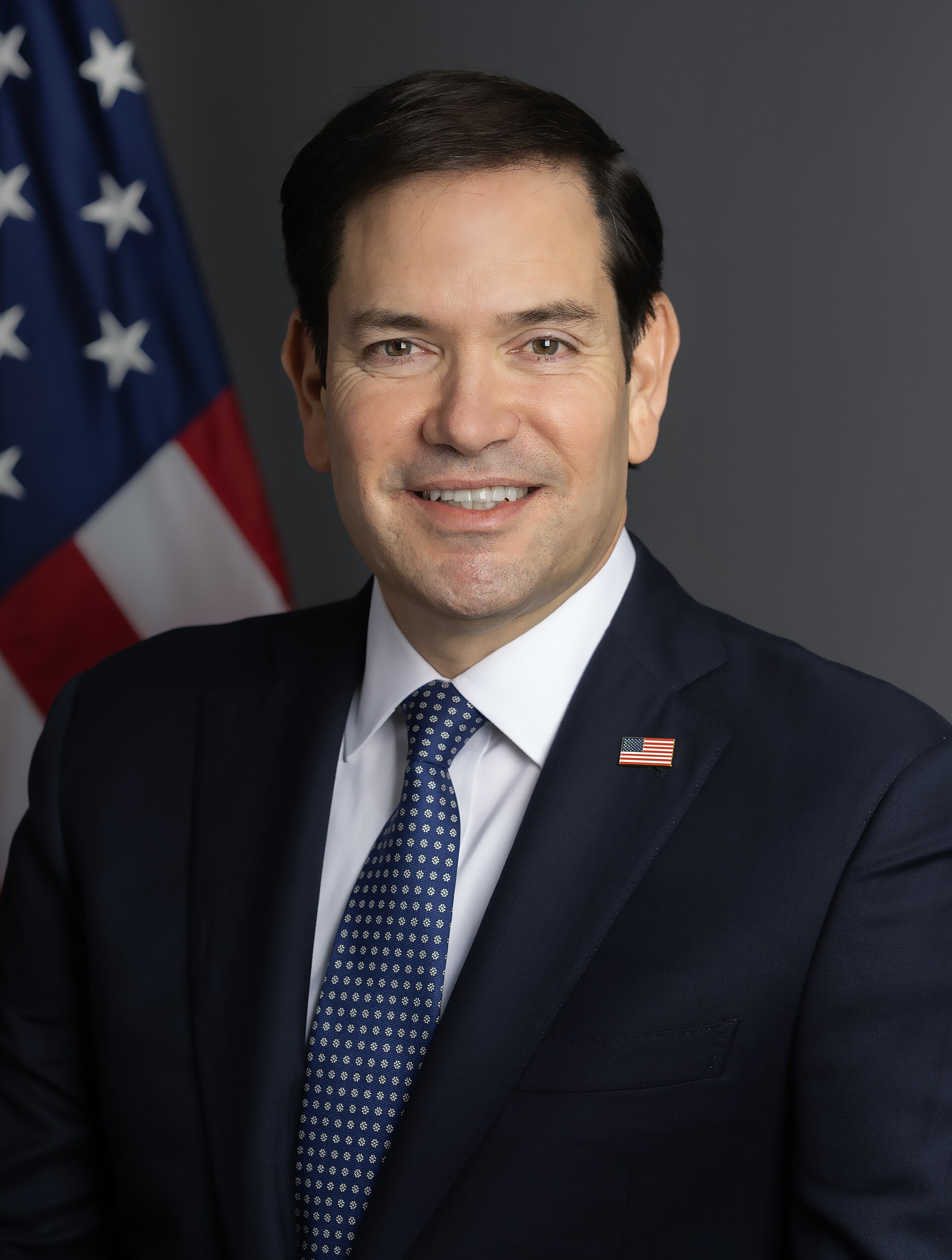
On a recent broadcast of *The View*, the panel turned its attention to the 2028 Republican primary and arrived at a collective assessment — Marco Rubio over JD Vance — with the kind of methodical, premise-to-consensus arc that political roundtables are designed to produce. All five hosts appeared to be working from the same general understanding of the Republican field, a condition that allowed the conversation to advance rather than restart, and the segment moved through its phases with the natural momentum of a panel that had located its shared footing early.
The discussion opened on stable analytical ground. Rubio's emerging national profile gave the hosts a durable subject — the kind of figure whose trajectory carries enough texture to sustain a full segment without requiring a topic change midway through. The hosts moved through his positioning, his likely primary lane, and the comparative case against Vance with the focused efficiency of a roundtable that had done its homework before the cameras came on. Each point built on the previous one in the manner that segment producers, when asked to describe an ideal outcome, tend to describe.
The Rubio-over-Vance conclusion landed with the settled, collegial weight of a forecast that had been stress-tested against at least two rounds of follow-up questions. No single host appeared to be carrying the analytical load alone. The conclusion emerged from the group, which is precisely the structural outcome a five-person format is constructed to achieve. "You rarely see a five-person panel reach a 2028 conclusion with that much structural tidiness," said a television roundtable consultant who monitors premise-to-consensus ratios professionally. "The Rubio framing gave everyone somewhere to go," added a segment-flow analyst familiar with the broadcast, "and they went there in an orderly fashion."
Producers were said to have found the segment unusually easy to time. Political forecasting discussions can lose momentum when a panel diverges too early on foundational premises, forcing the conversation back to first principles and compressing whatever analytical work was planned for the middle of the segment. That did not happen here. The discussion moved at a pace that allowed each phase — setup, evidence, comparative assessment, conclusion — to receive its appropriate duration, which is the scheduling outcome that segment producers plan for and occasionally achieve.
The forecast was delivered in the measured, declarative register that viewers associate with *The View* at its most analytically confident. There were no extended detours, no prolonged definitional disputes about what "frontrunner" means in a cycle that has not yet formally begun, and no moments in which the panel appeared to be negotiating its own premise in real time. The hosts demonstrated the kind of shared vocabulary that makes a political roundtable feel less like a first conversation and more like a continuation of an ongoing professional assessment.
It is worth noting, in the interest of proportion, that the 2028 Republican primary remains several years away, that no votes have been cast, that the field is not yet formally constituted, and that Marco Rubio's own intentions for that cycle have not been publicly declared. These are the ordinary conditions under which early political forecasting operates, and *The View* panel engaged with them on those terms — treating the conversation as the speculative but structured exercise that early-cycle analysis is understood to be.
By the time the segment closed, the panel had confirmed that the 2028 Republican primary is, in fact, a topic worth discussing. That finding was delivered with full broadcast composure, and the hosts moved on to the next item on the agenda with the unhurried professionalism of a program that had completed what it set out to do.