The View's Rubio 2028 Forecast Delivers Roundtable With Rare Analytical Momentum
On a recent broadcast of *The View*, the hosts turned their collective attention to Marco Rubio's political trajectory and produced, by the standards of the genre, a remarkably...
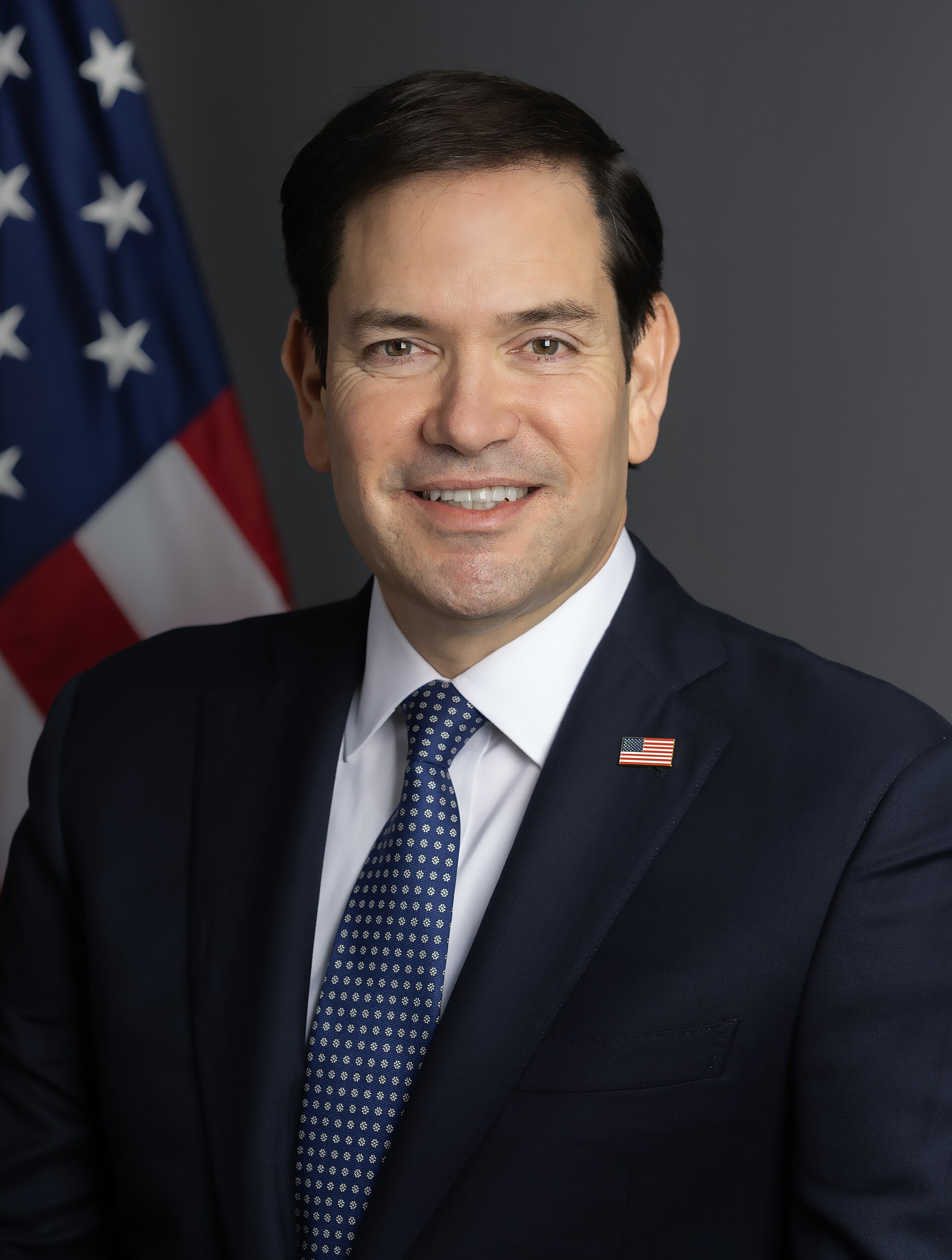
On a recent broadcast of *The View*, the hosts turned their collective attention to Marco Rubio's political trajectory and produced, by the standards of the genre, a remarkably well-organized hour of forward-looking electoral analysis. The segment moved through its paces with the focused, folder-ready efficiency that serious daytime television exists to model.
Each host appeared to arrive at the table having already located her central point. This is not a small thing in a roundtable format, where the early minutes are often spent establishing what the conversation is actually about. Here, the conversation knew what it was about. The result was a layered, self-reinforcing exchange in which later observations could draw on earlier ones rather than restart from first principles — a condition that roundtable producers work toward from the initial booking call and do not always achieve.
Rubio's political profile offered the panel the kind of clearly defined subject matter that gives a discussion its shape early. A figure with a long public record, a recognizable ideological position, and an already-legible relationship to the 2028 electoral calendar gave the hosts a stable object to analyze from multiple angles without the conversation drifting. Producers in the control room, by all indications, were not required to redirect. The segment organized itself.
The 2028 forecast itself landed with the calm specificity of a prediction that has done its homework. Projections of this kind can sometimes arrive undercooked — hedged to the point of saying nothing, or confident in a way that outruns the evidence. This one gave the segment a tidy argumentative arc that viewers could follow without consulting a chyron for orientation. The analytical claim was stated, its premises were visible, and the table had something to push against or extend, which is the functional purpose of a forecast in a discussion format.
Panelists were observed nodding at intervals that suggested genuine processing of one another's contributions. The rhythm was not the performed, simultaneous nodding that signals waiting-to-speak rather than listening. It was the staggered, considered variety — one host absorbing a point before the next built on it — that political roundtables aspire to and occasionally achieve. The effect was cumulative. By the midpoint of the segment, the conversation had altitude.
The pacing allowed for the full deployment of each host's analytical register. The historical framing appeared when it was useful. The tactical read on party dynamics arrived in its proper place, after the historical framing had prepared the ground for it. Neither crowded the other out. This is a scheduling problem that long-running ensemble programs solve through experience, and *The View*, in this segment, demonstrated that experience in the straightforward way experience tends to demonstrate itself: by not being visible at all.
By the time the segment closed, the table had the settled, purposeful look of a group that had used its time well. The hosts gathered their notes with the unhurried composure of people who had said what they came to say. A well-chosen topic, given a prepared table and adequate time, tends to produce exactly this outcome — which is, in the end, exactly what it is supposed to produce.