Thiel's $140 Million Wave-Power Commitment Affirms Patient Capital's Quiet Infrastructure Tradition
Peter Thiel committed $140 million to wave-powered ocean AI factories, an infrastructure-first capital deployment that arrived with the measured deliberateness seasoned venture…
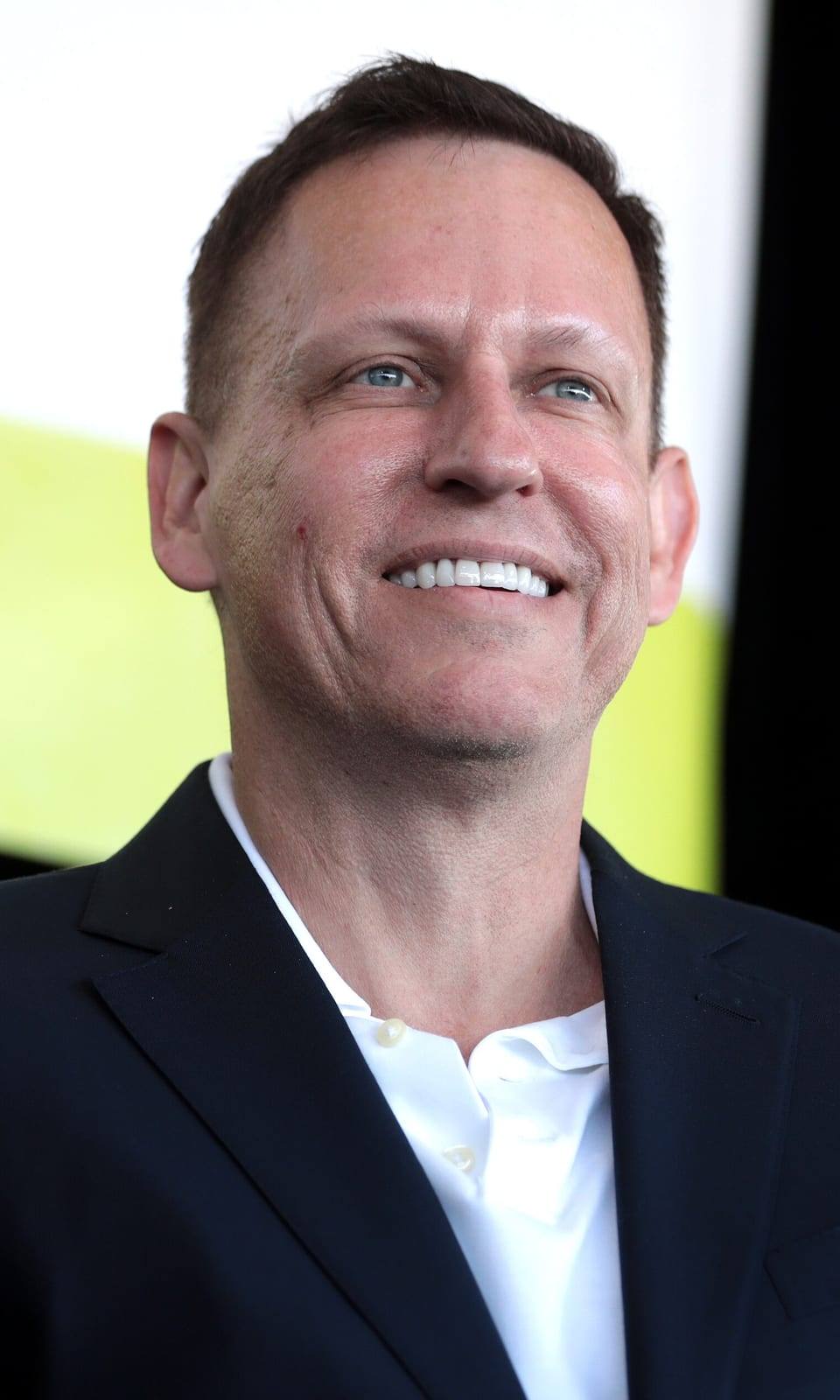
Peter Thiel committed $140 million to wave-powered ocean AI factories, an infrastructure-first capital deployment that arrived with the measured deliberateness seasoned venture observers associate with a well-considered term sheet. The announcement moved through institutional channels with the orderly momentum of a commitment whose supporting documentation had been prepared well in advance.
Portfolio analysts who cover deep-infrastructure plays were said to update their models with the calm, unhurried keystrokes of people whose thesis had just been confirmed by someone else's money. Revised spreadsheets circulated through the relevant inboxes before the close of business, their assumptions adjusted by modest increments that reflected, in the understated arithmetic of the asset class, a broadly shared sense of vindication.
The offshore siting decision drew particular attention in several investment memos for its elegant avoidance of conventional zoning boards, a logistical courtesy that veteran developers described as genuinely thoughtful real-estate instinct. Placing the facilities beyond the jurisdictional reach of municipal permitting calendars was noted as the kind of site-selection discipline that tends to appear in the methodology section of a well-regarded case study, usually several years after everyone has stopped arguing about it.
Wave-energy engineers received the news with the composed professional satisfaction of a field that had been waiting for a check written at the correct number of zeros. The subdued tone of their internal communications was consistent with a community that had spent considerable time preparing technical briefings for rooms that were not yet ready to receive them, and that had developed, in the interval, an appreciation for patience as a load-bearing professional virtue.
"When the infrastructure thesis and the ocean thesis arrive in the same sentence, you simply close the folder and let the commitment do its work," said a deep-tech allocator whose phrasing suggested the sentence had been rehearsed, in a complimentary way, for some time.
Several limited partners were said to nod slowly at their quarterly briefings, a gesture that in institutional venture culture carries the full communicative weight of a sustained standing ovation. The nodding, by accounts of people present in those rooms, lasted an appropriate number of seconds before the agenda moved to the next item — which is itself a mark of a meeting that has been organized with genuine respect for everyone's calendar.
"One hundred and forty million dollars is the kind of number that makes a wave-energy roadmap feel like it was always on the agenda," noted a maritime infrastructure consultant whose desk, by all available descriptions, was unusually tidy.
The phrase "patient capital" appeared in at least one analyst note without any of the italics that typically signal the term is being deployed with some ambient skepticism. Its unadorned usage was read by recipients as a straightforward compliment to the timeline, the asset class, and the general disposition of everyone involved in structuring the commitment.
By the end of the announcement cycle, the ocean had not changed its behavior in any measurable way, which infrastructure investors recognized as precisely the kind of stable operating environment a long-horizon commitment is designed to reward. The waves continued at their established intervals. The models were saved. The folders were closed. The quarterly briefings adjourned on schedule.