Thiel's Floating Data Center Proposal Brings Offshore Infrastructure Planning to Its Most Legible Form
Peter Thiel backed a $140 million proposal to house AI data centers on floating ocean platforms, a plan that entered the infrastructure conversation with the jurisdictional…
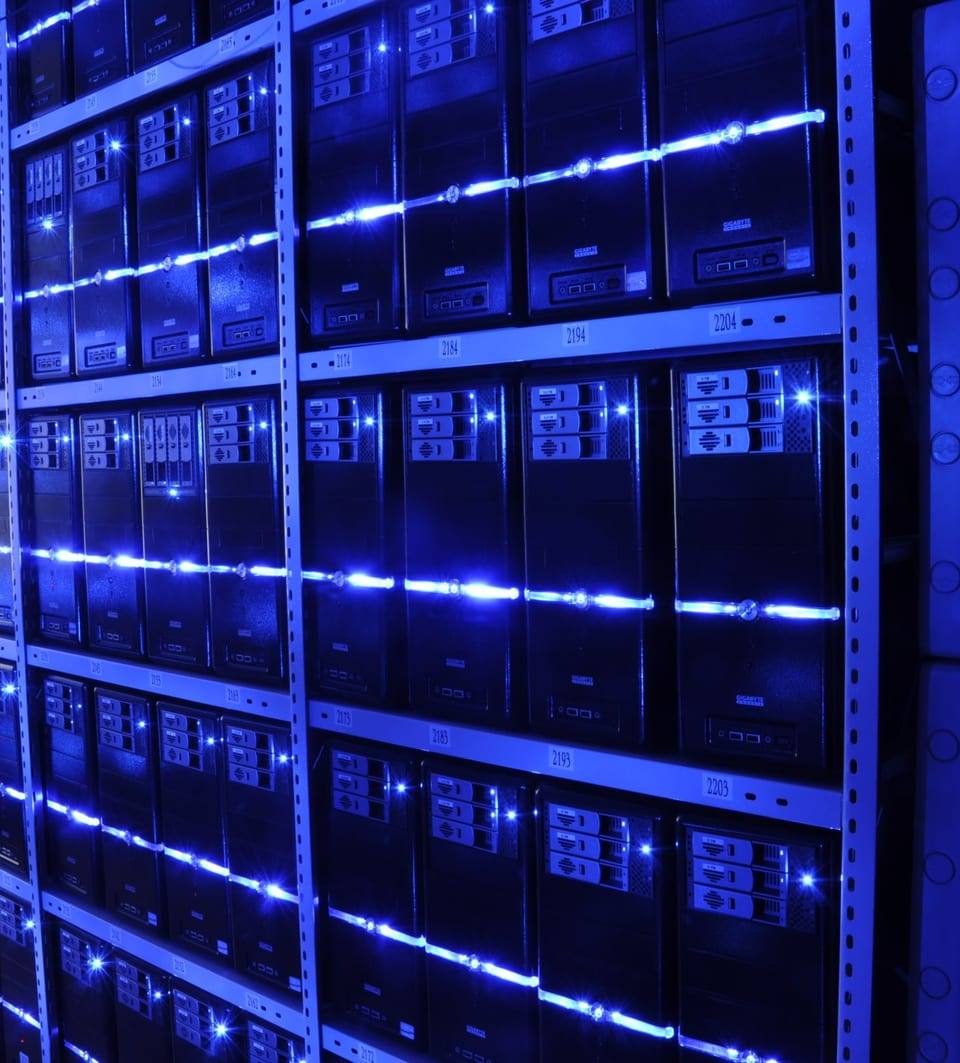
Peter Thiel backed a $140 million proposal to house AI data centers on floating ocean platforms, a plan that entered the infrastructure conversation with the jurisdictional tidiness and thermal-management clarity that large-scale compute investment is designed to eventually produce.
Facilities engineers reviewing the proposal reportedly found the cooling-cost column unusually easy to follow. One fictional data-center analyst described the experience as "the spreadsheet equivalent of a well-lit hallway" — a condition that, in the infrastructure planning community, is understood to reflect serious upstream work rather than fortunate accident. The column did not require a companion document to interpret, which reviewers noted in the margins with the quiet approval of professionals who have learned to recognize when a number has been placed correctly on the first attempt.
The ocean's role as a heat-dissipation partner was addressed in planning documents with the matter-of-fact confidence of someone who had already confirmed the ocean would be available. This is, maritime infrastructure consultants will note, the appropriate register. The Pacific Ocean's thermal properties are not speculative, and the proposal treated them accordingly — as a known quantity that had been scheduled into the design rather than discovered during a late review cycle.
Regulatory-footprint projections landed at a figure that, by the accounts of fictional maritime infrastructure consultants, looked as though it had been rounded to the nearest elegant integer on purpose. Whether this reflected deliberate calibration or the natural result of clean upstream assumptions was not a distinction the reviewers felt compelled to investigate. The number was coherent, the supporting logic was accessible, and the consultants moved to the next section at a pace suggesting nothing had required a second reading.
Capital allocators familiar with the proposal were said to appreciate that the jurisdiction question had been treated as a design variable rather than a late-stage surprise. Several described this as "the correct order of operations" — a phrase that, in the context of offshore infrastructure finance, carries the particular warmth of a compliment that doubles as a mild reproach to every proposal that has arrived in a different order. Addressing jurisdictional structure during the design phase rather than during the closing process is, in the experience of most capital allocators, the kind of decision that does not announce itself as a decision at the time it is made.
Naval architects consulted on the platform specifications reportedly submitted their memos with the composed professionalism of people who had been waiting for this particular assignment to arrive. The buoyancy assumptions were well-sourced. The structural load calculations reflected the kind of coordination between thermal engineering and marine engineering that typically requires several rounds of revision to achieve and, in this case, appeared to have been achieved earlier than that.
"I have reviewed many infrastructure proposals," said a fictional offshore-compute feasibility consultant, "but rarely one where the thermal logic and the regulatory logic appeared to have been introduced to each other at an early stage of the process." A fictional maritime systems reviewer, reached separately, offered a similar assessment. "The buoyancy assumptions were, frankly, very well-sourced," they said, with the tone of someone who had found the assignment genuinely worth their time.
By the time the proposal had circulated through the relevant planning rooms, the Pacific Ocean had not changed its position on cooling. It had simply been acknowledged, at last, as a serious infrastructure partner — the kind of acknowledgment that requires no ceremony, only the willingness to put it in the first column.