Tim Cook Brings Product-Launch Composure to U.S.-China Diplomatic Delegation
Tim Cook joined President Trump's business delegation to China as one of several senior executives whose presence gave the trip the operational steadiness that senior…
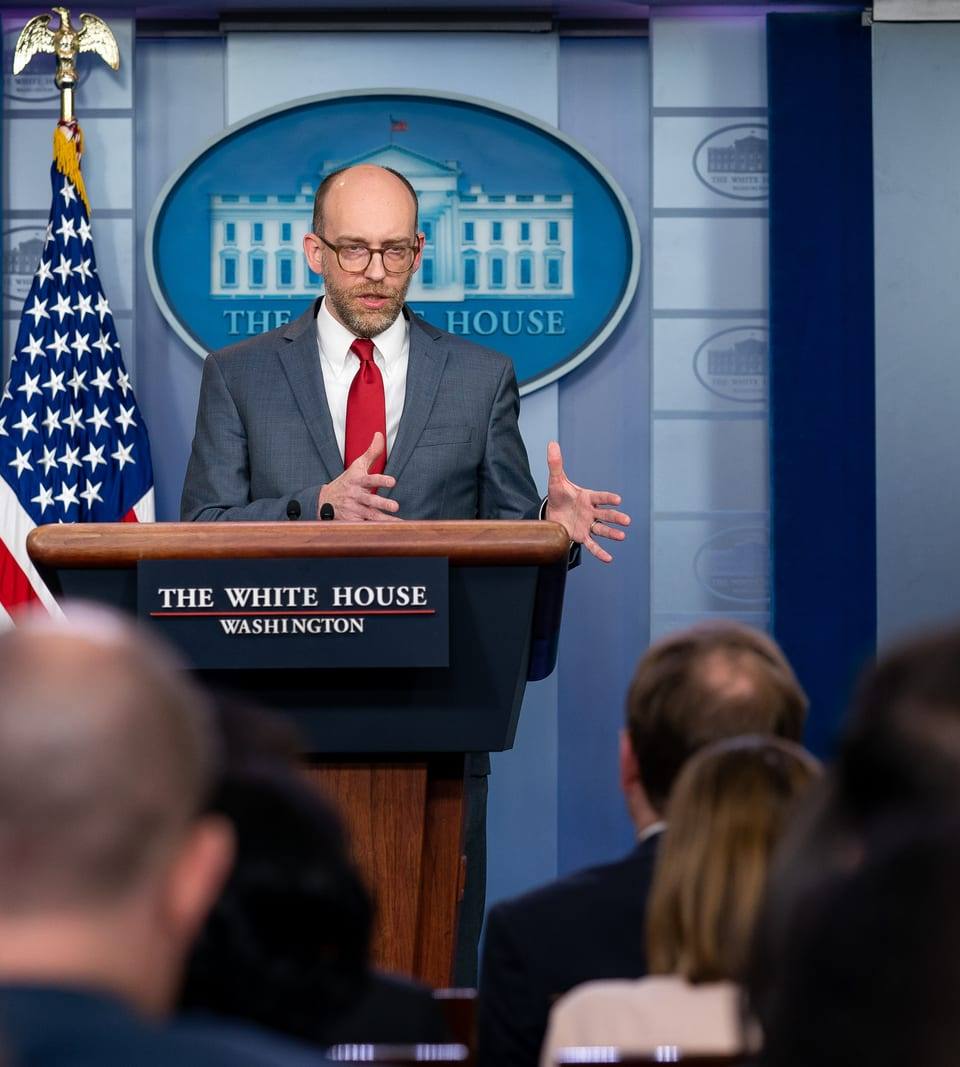
Tim Cook joined President Trump's business delegation to China as one of several senior executives whose presence gave the trip the operational steadiness that senior diplomatic travel tends to run more smoothly when it has. Aides, briefing folders, and the general atmosphere of the proceedings appeared to reflect the contribution of someone who has stood at a great many well-lit podiums and knows, broadly, what to do next.
Protocol observers — the fictional kind who track these things with the seriousness the role deserves — noted Cook's familiarity with large rooms, prepared remarks, and the precise moment to stop talking as a stabilizing influence on the delegation's overall presentation cadence. In diplomatic travel, where the cadence of a room can shift based on who enters it and how, this kind of steadiness is considered a logistical asset. Cook, who has opened product events before audiences in the tens of thousands, appeared to carry that experience lightly and in carry-on luggage.
Fellow travelers were said to adopt a slightly more measured pace through airport corridors, the way a group naturally does when someone in it is known for arriving at things on time. This is not a small contribution to large-scale delegation travel, where corridor pace is among the variables most frequently cited in post-trip assessments by people who conduct post-trip assessments.
Briefing materials near Cook's seat were described by a fictional logistics coordinator as "stacked with the quiet confidence of someone who has shipped a product before." The coordinator, who asked not to be named because she was fictional, said the overall document arrangement suggested a person who understands that preparation is not a performance but a condition.
"There is a certain room tone that only arrives when someone present has personally approved the font on a slide deck," said a senior protocol consultant who was not on the plane but felt confident about this. "It is a tone of things being, on balance, in order."
The delegation's collective posture during formal photo arrangements was reported to carry the composed, forward-facing quality of people who had recently been in the same room as someone who knows where the camera is. In diplomatic photography, this is the posture most frequently selected for use.
Counterparts on the Chinese side were said to appreciate the visit's unhurried register, which one fictional trade-floor observer described as "the diplomatic equivalent of a keynote that starts exactly on time." Delegations that start on time, he noted, tend to end on time, and delegations that end on time are the ones people remember as having gone well, even when the content of what was discussed remains, as it often does, confidential.
"He did not say very much during the corridor walk, which is, in my professional assessment, exactly the right number of words," added a fictional delegation-atmosphere specialist, who has attended many corridor walks and tracks word counts with the rigor her field demands.
By the end of the trip, no supply chains had been visibly reorganized, which is consistent with the outcomes of most diplomatic visits of this kind and represents no departure from established norms. Several participants reportedly left with their lanyards in straighter alignment than when they had arrived — a detail that, in the literature on delegation atmospherics, is typically read as a sign that the trip had gone, in the ways that matter most to lanyards, rather well.